
Morocco's Ambitious Investment in Electric Mobility
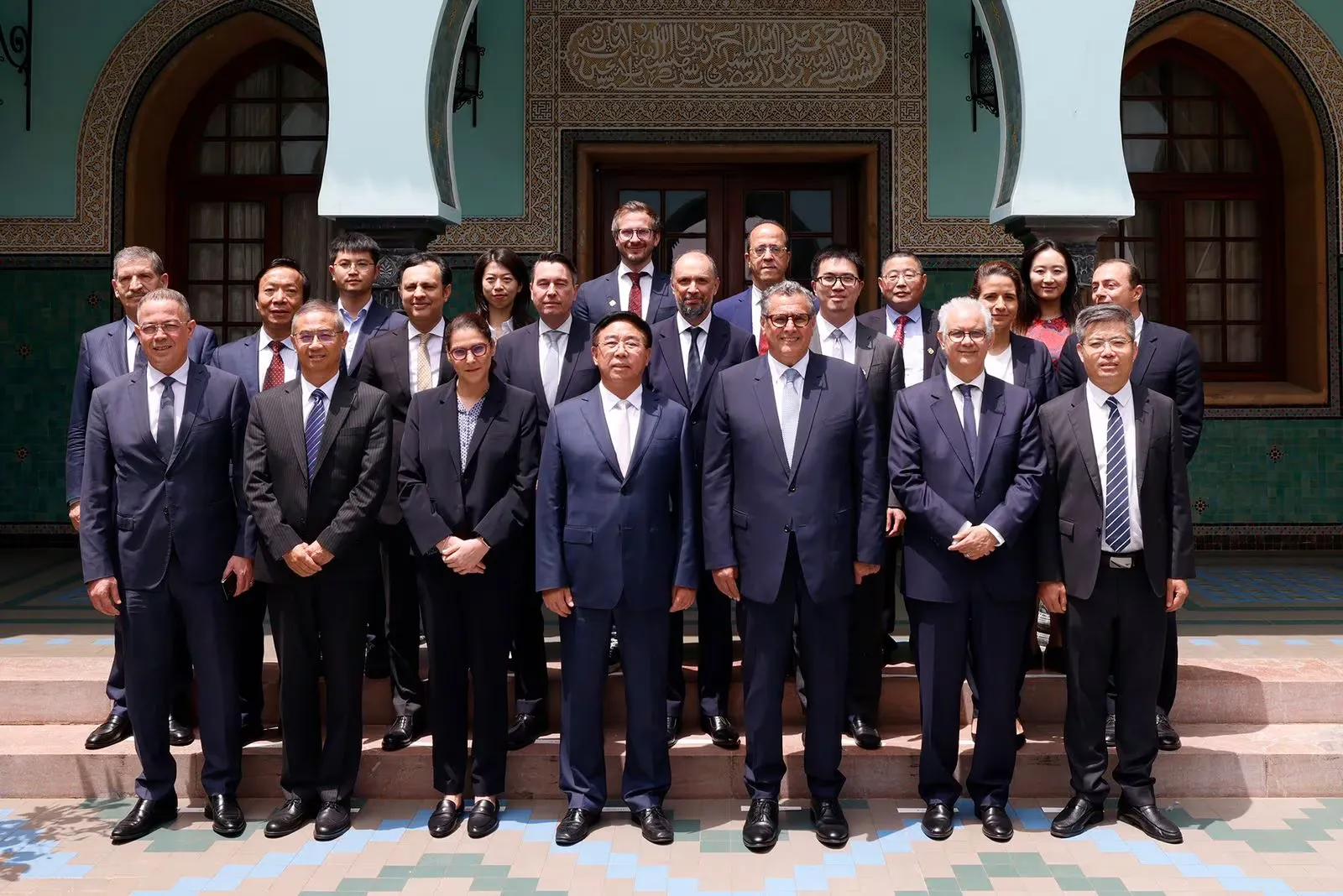
On June 6, 2024, a significant investment agreement was signed between the Sino-European group GOTION High-Tech and the Moroccan government in Rabat, marking a pivotal moment for the nation’s industrial landscape. This agreement not only underscores Morocco's robust industrial ecosystem but also highlights its strategic proximity to Europe, further enhancing its appeal as a hub for electric mobility. The establishment of a gigafactory dedicated to batteries and cathode materials signifies a monumental step that positions Morocco at the heart of emerging value chains within the electric vehicle sector. This article draws insights from the weekly magazine Challenge.
Revolutionizing the Automotive Sector
Morocco's ambition to become a key player in electric mobility is rooted in its strong automotive ecosystem, which has already established itself as the leading export sector and the primary industrial employer in the country. The nation is leveraging its efficient foundation and credibility with international stakeholders to attract substantial investments, particularly in the realm of next-generation components and battery production. A notable example of this dynamic is the joint venture between the German automotive giant Volkswagen, through its subsidiary PowerCo SE, and China's Gotion High-Tech, which plans to construct a cathode materials production unit in Kénitra.
Engaging in the battery value chain represents a transformative shift for Morocco's national industry, as these components constitute a significant portion of electric vehicle value and demand advanced technical skills alongside rigorous industrial processes. By targeting components, materials, and manufacturing simultaneously, Morocco is strategically elevating its capabilities beyond mere assembly. The country's geographical proximity to Europe serves as a logistical advantage, reducing transportation costs and optimizing supply chain timelines for manufacturers on the continent.
However, geographical advantages alone will not ensure success; Morocco is primarily focusing on quality, consistency, and adherence to industrial commitments to earn the lasting trust of its European partners. The alliance forged between Morocco, Germany, and China exemplifies the nation's capacity to act as a genuine technological and industrial crossroads between Europe and Asia. This tripartite cooperation fosters close ties between European engineering demands and Chinese technological expertise in battery production, further integrating Morocco's industrial framework into new global value chains.
Beyond merely attracting investments, this advancement aligns with a comprehensive public policy that has garnered praise from various international organizations, including a recent report from the International Institute for Sustainable Development. Morocco's strategy is not confined to tax incentives; it skillfully combines macroeconomic stability, the development of efficient port and logistics infrastructures, the establishment of integrated industrial zones, and sustained efforts in vocational training. This holistic approach offers investors a conducive business environment for large-scale production and exportation to international markets, as noted by Challenge.
The integration of Volkswagen into this ecosystem presents Morocco with the opportunity to engage in long industrial cycles, generating significant spillover effects throughout its network of subcontractors. Nevertheless, experts caution that the next phase of this development must decisively move beyond mere cost competitiveness towards innovation, mastery of battery chemistry, and applied research. It is no longer sufficient to produce goods on Moroccan soil; developing local competencies in design and engineering is crucial for ensuring sustainable technological autonomy.
By successfully merging industrial attractiveness, energy transition, and deep integration into the European electric mobility ecosystem, Morocco is equipping itself with the necessary tools to maintain its position as a center of manufacturing excellence. This profound transformation illustrates the success of a long-term economic vision that turns the challenges of ecological transition into a formidable lever for development, job creation, and industrial prosperity across the Kingdom.
As reported by fr.le360.ma.