
Morocco's Gains Amidst the Ceuta Crisis
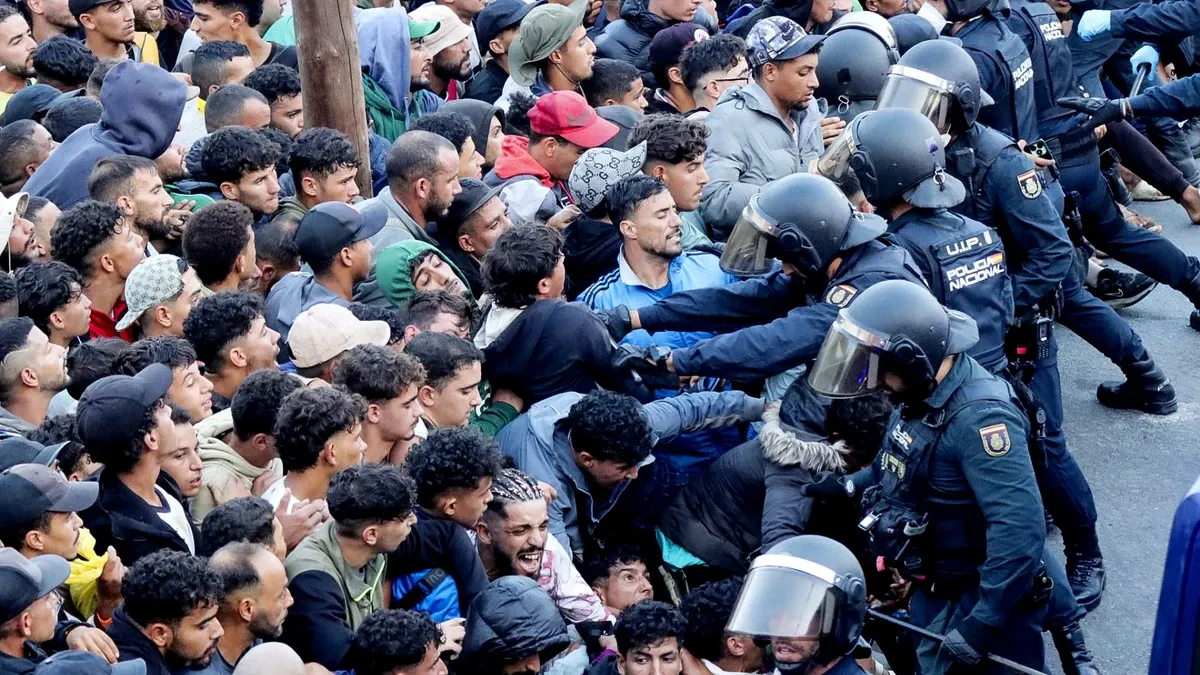
The recent crisis in Ceuta has raised significant questions regarding the geopolitical landscape of Europe and its relationship with Morocco. In just a matter of hours, approximately 72,000 Moroccan nationals, predominantly young men, exited their country, leading to widespread panic among European leaders. Rather than directing their ire towards the Moroccan government, the European Union (EU) has seemingly exonerated Morocco, viewing it as a 'safe country' deserving of support and respect. This shift in perception can be attributed to the Spanish government's acceptance of Morocco's narrative, which frames the situation as being exacerbated by social media-driven misinformation propagated by human trafficking networks. Consequently, the EU continues to uphold Morocco's status, despite the alarming circumstances surrounding this mass migration.
A Complex Relationship with Migration
Morocco has demonstrated its capability to wield mass migration as a destabilizing weapon, highlighting the ineffectiveness of border control measures in a nation that is perceived as stable. The EU's recent statements, especially from Commissioner Magnus Brunner, indicate a reluctance to hold Morocco accountable for the surge of migrants. When questioned about Morocco's responsibility, the response leaned heavily on the Spanish government's assertion that criminal organizations were to blame, without providing concrete evidence or addressing the glaring issue of border security. This raises critical questions about the definition of a 'safe country,' especially in light of Morocco's political repression and its capacity to facilitate rapid emigration.
The crisis in Ceuta serves as a litmus test for the EU's resilience against hybrid threats. The immediate response has revealed vulnerabilities not only within the Spanish government but also among EU member states. While Spain struggles to articulate its stance and clarify the implications of recent immigration policies, other nations, like Italy, have been quick to criticize without addressing the root causes tied to Morocco's actions. This situation underscores a deeper issue within the EU regarding solidarity and collective action, as member states grapple with rising right-wing agendas and the complexities of migration management.
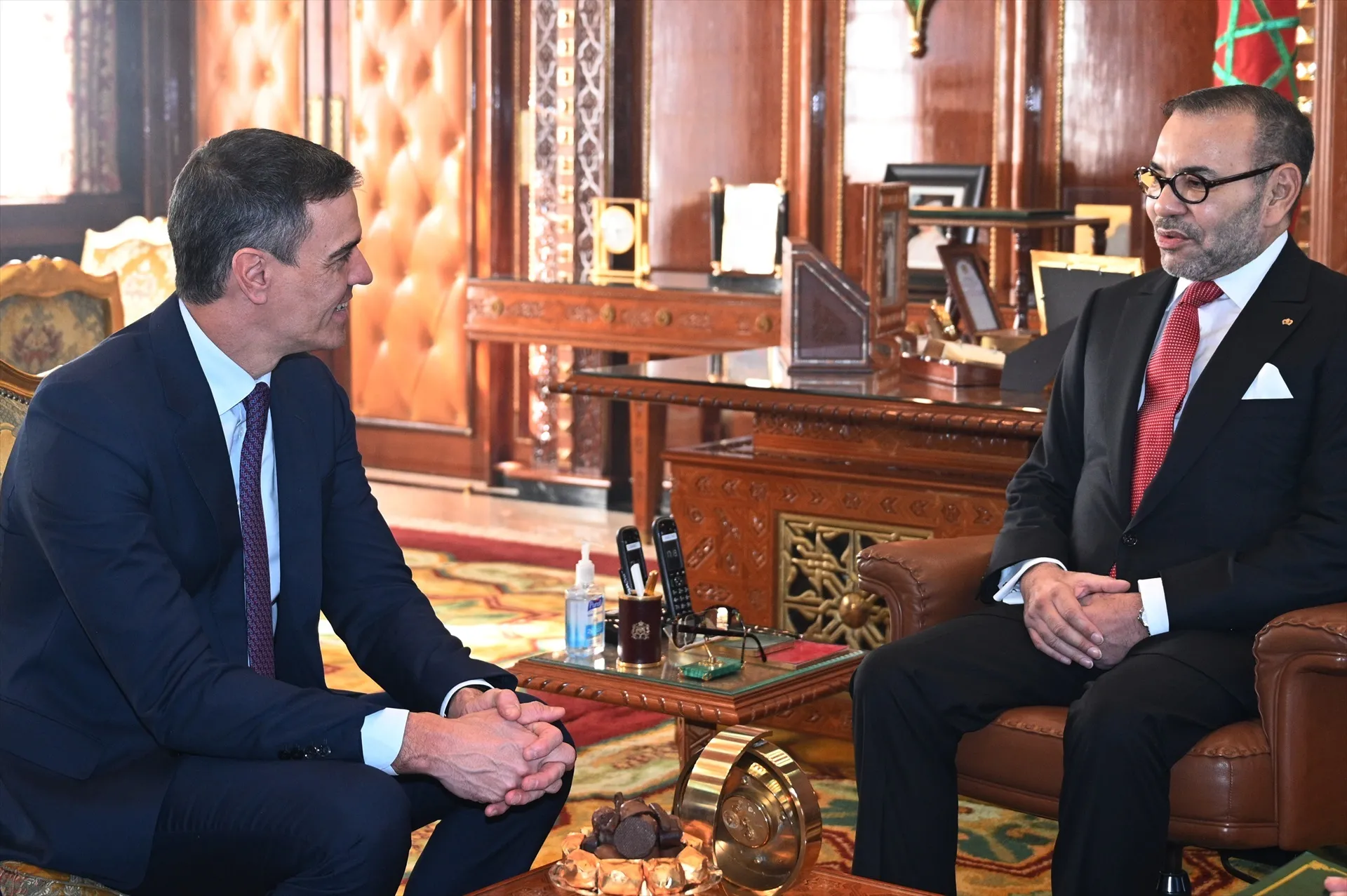
As the situation continues to unfold, it is evident that Morocco is gaining leverage over Europe through its migration policies. The cycle of pressure and concessions means that Europe is trapped in a precarious position, with Spain bearing the brunt of these challenges. With the prospect of future migrant surges looming, it is clear that the current strategies are insufficient to ensure stability in the region.
As reported by elindependiente.com.