
Understanding the Migration Crisis in Ceuta and Melilla
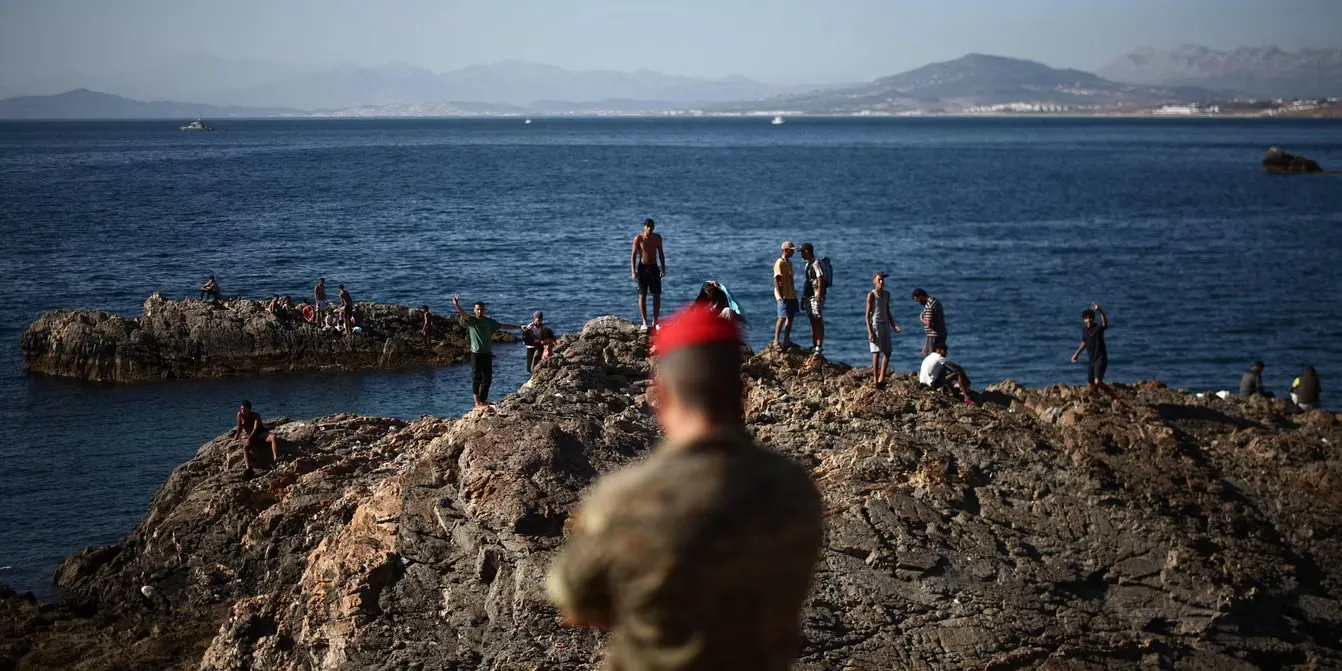
The recent influx of approximately 50,000 migrants into the Spanish enclave of Ceuta has raised significant questions regarding Morocco's role in this unprecedented migration crisis. This dramatic event occurred on July 30 and July 31, highlighting the ongoing territorial dispute between Spain and Morocco over these two strategically located cities on the northern coast of Africa. While most of the migrants left almost immediately after entering, the sheer volume of people attempting to cross the border has reignited debates surrounding the sovereignty of Ceuta and Melilla, territories that Morocco claims as its own.
Statements from international figures have further complicated the issue. For instance, Israel's representative to the United Nations, Danny Danon, articulated a challenge to Spain's colonial presence in Africa, urging the world to question why these enclaves remain under Spanish control. Simultaneously, the U.S. State Department criticized Spanish Prime Minister Pedro Sanchez, alleging that his government has intentionally facilitated mass illegal migration into Europe. Such diplomatic pressures serve to illuminate the complexities of international relations surrounding this crisis, particularly against the backdrop of Spain's recent foreign policy decisions.
Diplomatic Tensions and Speculations
Relations between Spain and both the United States and Israel have been notably strained, particularly as Sanchez has adopted a pro-Palestinian stance and declined to allow U.S. military operations against Iran to utilize Spanish airspace. This tension has led to a flurry of speculation on social media regarding the potential involvement of U.S. and Israeli interests in the recent migration surge; however, concrete evidence to substantiate these claims has yet to surface. The current situation not only underscores the fragile nature of Spanish-Moroccan relations but also illustrates how migration can be weaponized in geopolitical disputes. Morocco's actions seem to reflect a strategy aimed at exerting pressure on Spain, challenging its sovereignty, and reasserting its claims over Ceuta and Melilla.
As reported by lemonde.fr.