
Morocco as a Systemic Pivot in a Changing International Landscape
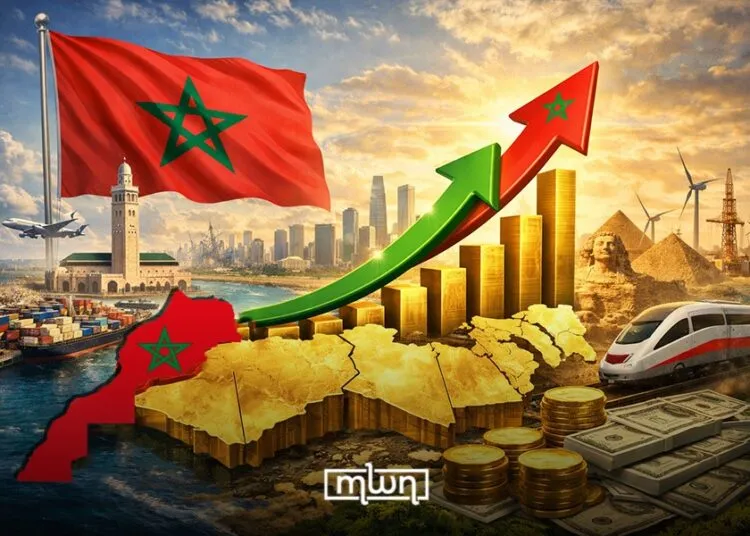
The geopolitical landscape is undergoing significant shifts, particularly in the aftermath of post-war conflicts such as the ongoing situation in Ukraine. In this complex environment, countries like Morocco are redefining their roles and strategies to navigate the tumultuous waters of international relations. The notion of a "multiplex world," as described by political scientists, underscores the fragmentation of global governance amid concentrated military power. Within this context, Morocco has emerged as a critical systemic pivot, adept at maneuvering through the challenges posed by global dynamics and inter-state rivalries.
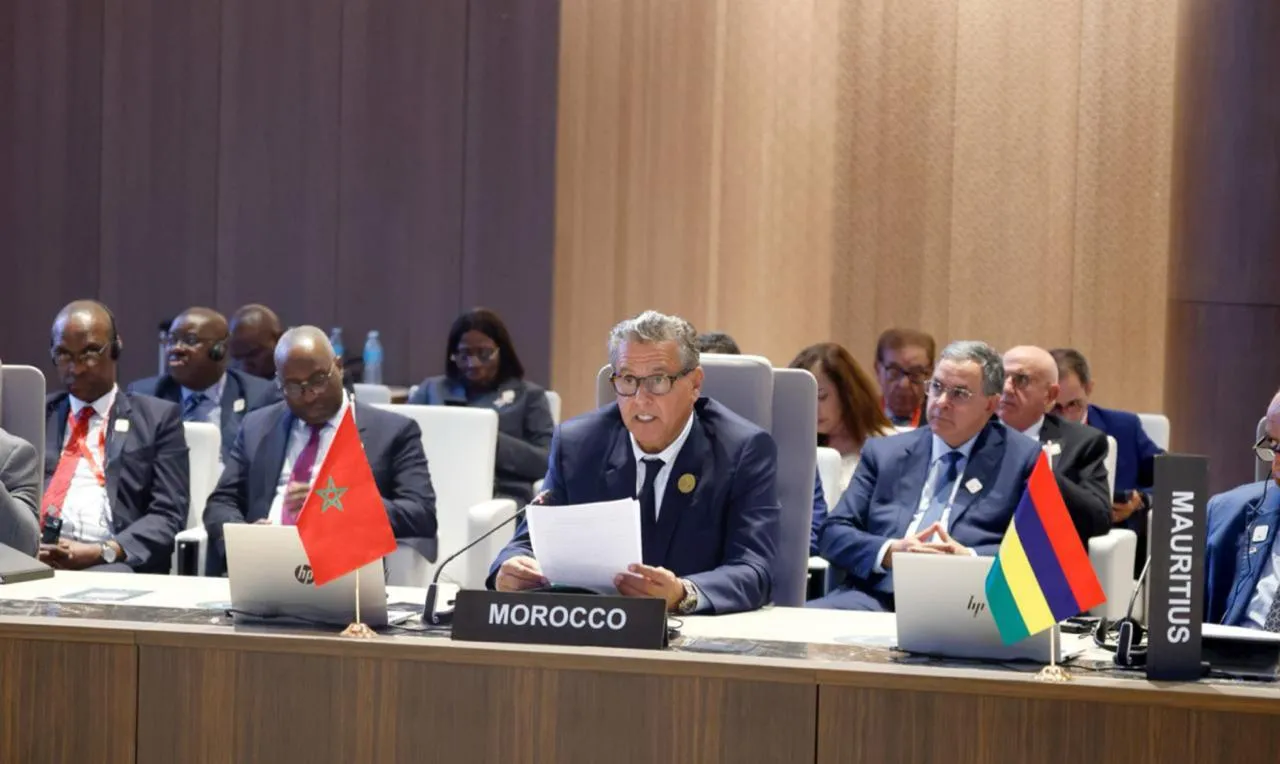
Since the onset of the war in Ukraine and ongoing conflicts in the Middle East, Morocco's diplomatic behavior has been characterized by a nuanced approach that emphasizes non-dependence and multi-alignment. This strategy, which has roots extending back to the 1960s, allows Morocco to avoid rigid polarization and instead utilize its position as a diplomatic interface to mediate between competing powers. The Kingdom's recent involvement in the Peace Council, established during Donald Trump’s administration, and its efforts to rally support for its Autonomy Plan for the Moroccan Sahara, as outlined in UN resolution 2797, highlight its proactive diplomacy and strategic acumen.
King Mohammed VI's vision for Morocco has been to transform the nation into an exemplar of moderation, tolerance, and regional stability. His call for Morocco to be a respected partner among global powers and an advocate for developing countries has shaped the Kingdom's foreign policy approach. By cultivating a democratic and modern image on the international stage, Morocco seeks to deepen economic cooperation and enhance its strategic importance in the Maghreb region and beyond. This commitment to fostering alliances while mitigating the adverse effects of globalization positions Morocco as a vital player in international diplomacy.
The Historical Legacy of Moroccan Diplomacy
The Kingdom's ability to adapt to the shifting currents of international politics is not a new phenomenon. Historically, Moroccan dynasties, especially the Alawite dynasty, have successfully maintained the country's sovereignty amidst competing European powers through a strategy known as the "pendulum game." This strategic play involves leveraging inter-imperial rivalries to safeguard national interests without succumbing to the pressures of external domination. The historical narrative of Moroccan diplomacy, documented by scholars and historians, illustrates a consistent pattern of strategic alliances that reinforce the Kingdom's independent status.
For instance, during the Saadian dynasty, Ahmad al-Mansur formed a crucial alliance with England against Spain, while Sultan Sidi Mohammed III was the first to recognize the United States' independence. In a similar vein, Morocco's early recognition of the People's Republic of China during the Cold War exemplifies its longstanding policy of non-alignment and its role as a bridge between diverse global actors.
The contemporary diplomatic landscape can be analyzed through the lens of strategic triangles, a theoretical framework that helps decode the relationships among international actors. Morocco's relationships with the United States and China, particularly in the context of "Cold War 2.0," exemplify its dual approach: relying on the U.S. for security while engaging China for development. This balancing act not only enhances Morocco's strategic relevance but also underscores its unique positioning in the global economy.
In conclusion, Morocco's diplomatic ascent as a pivotal player in an increasingly fragmented international system is facilitated by its historical legacy, strategic positioning, and adept navigation of geopolitical rivalries. As the Kingdom continues to leverage its assets and foster inter-state relationships, it stands poised to play a crucial role in shaping the future of international diplomacy, particularly in its surrounding regions.
As reported by moroccoworldnews.com.