
Morocco's Tactical Maneuvering in the Mediterranean
In recent times, Morocco has increasingly applied pressure on its neighbor Spain, particularly focusing on the enclaves of Ceuta and Melilla. This geopolitical maneuvering comes amidst a backdrop of open borders and significant international backing, raising concerns about the stability of the region. The tensions in the western Mediterranean have become a focal point for European security policy, especially following a dramatic surge of over 72,000 border crossings into Ceuta within just two days at the end of July. Such events illustrate how Rabat is leveraging migration flows as a strategic tool to advance its geopolitical interests at Spain's expense. According to the Spanish news outlet 'El Español', these border crises are not accidental but rather a calculated pressure tactic linked to the unresolved Western Sahara conflict.
Spain’s Vulnerability and Morocco’s Centralized Decision-Making
The external factors significantly enhancing Morocco's foreign policy maneuverability cannot be overlooked. Analysis by 'El Periódico' highlights that the North African kingdom benefitted from a robust security partnership during the presidency of Donald Trump, which bolstered Rabat's claims of sovereignty and regional ambitions. Security expert Xavier Torrens identifies this period as a strategic 'window of opportunity' that has considerably expanded Morocco's diplomatic freedom while diminishing Madrid's negotiating strength. He warns that this dynamic persists, and the risk to the Spanish enclaves of Ceuta and Melilla is notably heightened given Morocco's expansive diplomatic approach.
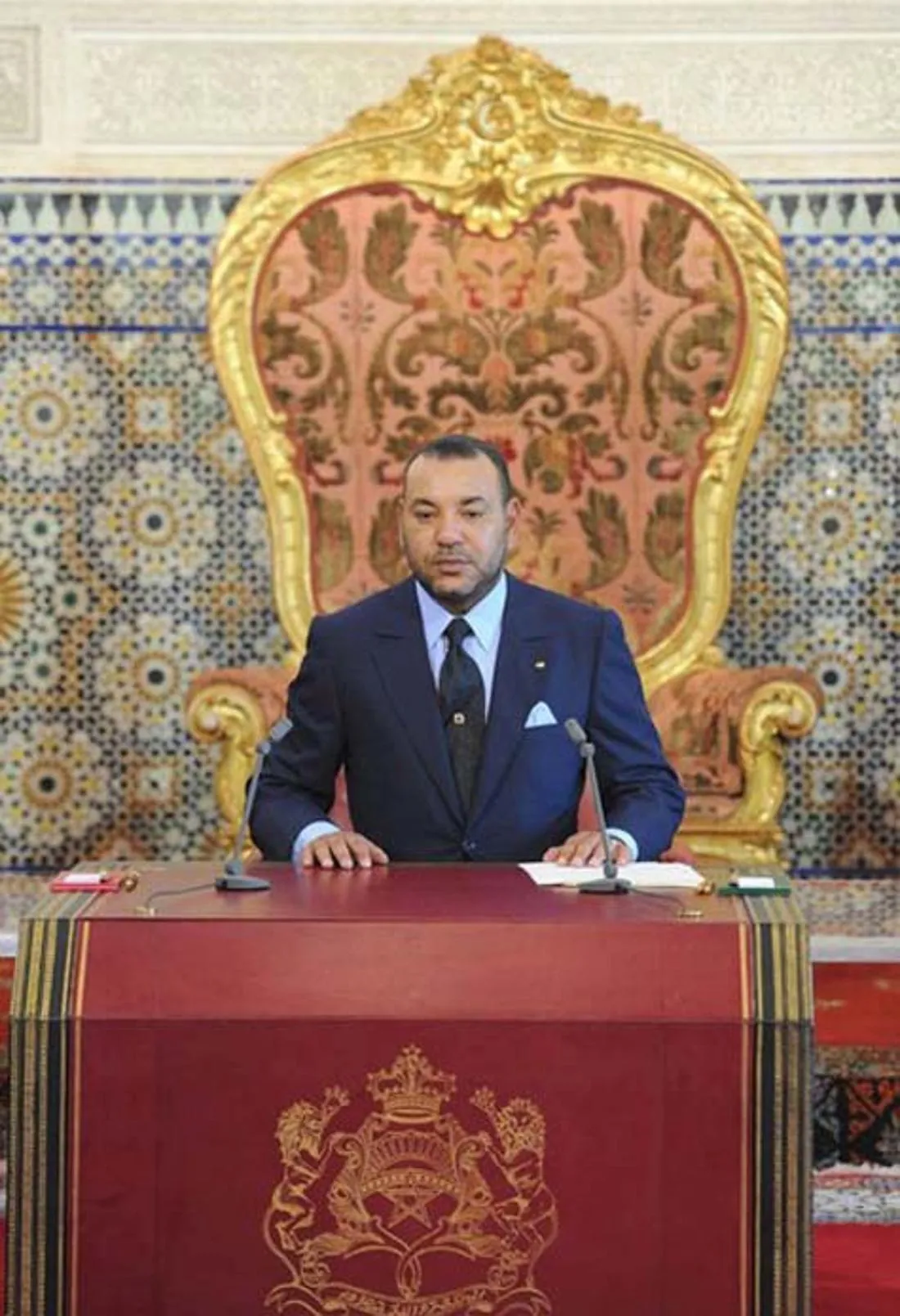
Central to Morocco's calculated foreign policy is a tightly centralized decision-making apparatus. King Mohammed VI governs the country through the traditional power network of the Majzén. According to 'El Observador', key figures within the government and advisors, such as Fouad Ali El Himma, play a pivotal role in shaping this strategic doctrine, which includes the temporary management or relaxation of border controls. This concentration of power at the top enables Rabat to respond swiftly and effectively in times of crisis.
For Spain, the current situation reveals a structural vulnerability. The Spanish government heavily relies on cooperation with Moroccan authorities to manage migration flows and counter terrorism, navigating a precarious diplomatic tightrope. In an effort to avert escalating border conflicts, Madrid's government often finds itself making significant compromises. Critics accuse Spanish foreign policy of neglecting democratic standards and human rights principles. As long as socio-economic disparities and high youth unemployment persist in Morocco, migration will continue to serve as an effective leverage point, with profound geopolitical and humanitarian ramifications for the European Union. As reported by merkur.de.