
Morocco as a Hub for Military Training in Africa
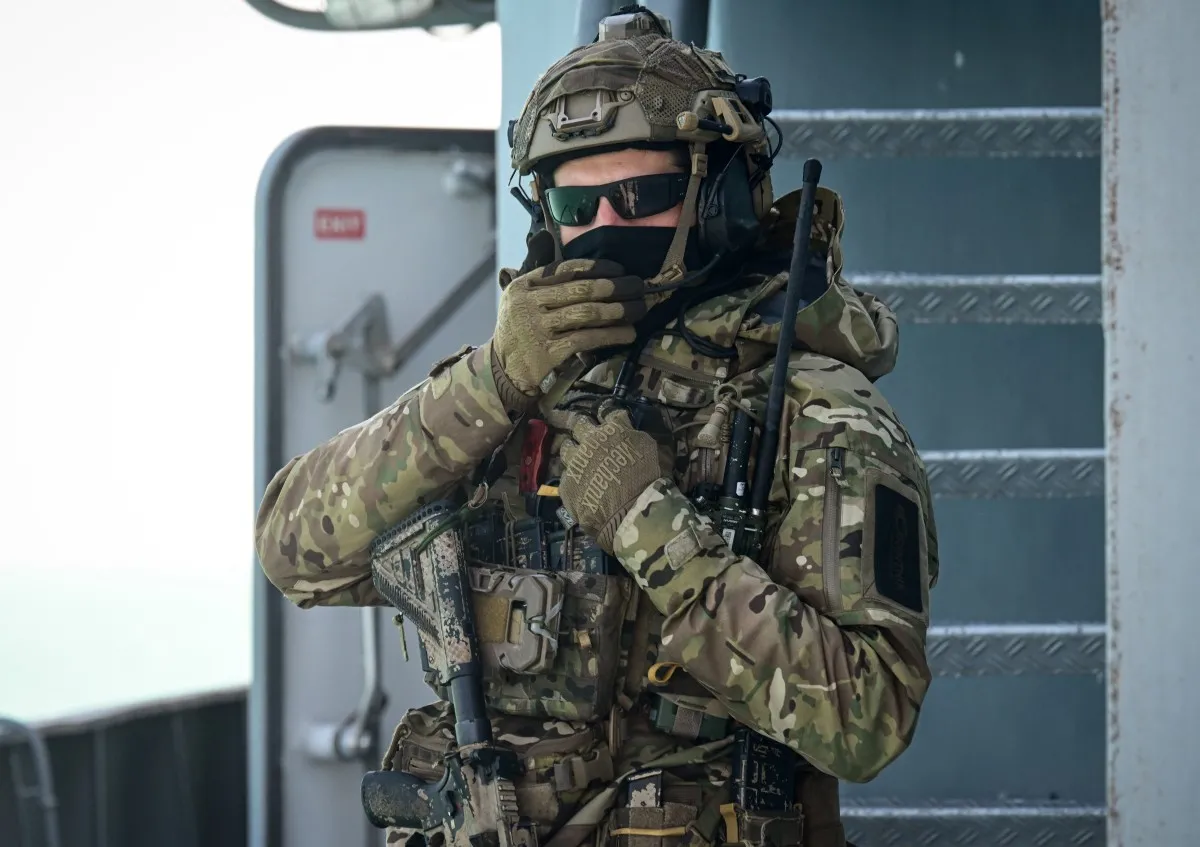
For decades, Morocco has been a pivotal center for military training, welcoming elite students from numerous African nations. With its extensive experience in military instruction, the country has emerged as a preferred location for NATO’s training programs, particularly due to its strong relationships with countries in the Sahel region. As Morocco gears up to host the "Defense Education Enhancement Program" (DEEP) later this year, this initiative aims to benefit several African armies, reinforcing Morocco's established reputation in military training and its cordial ties with the continent's nations.
Launched by NATO in 2007, the DEEP program seeks to enhance military education and training for personnel from partner countries across Europe, Asia, and Africa. Experts believe that this training initiative is strategically aimed at countering the military and economic encroachment of Russia and China, particularly in the politically unstable Sahel region, which is facing various security challenges. This collaboration is further underscored by an agreement between the Moroccan military and the U.S. Africa Command (AFRICOM) to establish a center for African training and experimentation, thereby bolstering the military capabilities of African forces.
Why Morocco? Understanding NATO's Choice
NATO defines the DEEP program as a contribution to strengthening defense education for partner nations, aiming to identify needs and gaps within their military and defense educational institutions. This involves developing curricula and enhancing the professional standards of faculty members, along with facilitating experience exchange among experts. The alliance emphasizes that training is conducted in close cooperation with higher military education institutions in the participating countries, contributing to the establishment of ten reference programs covering various domains, including defense institution building, military professional studies, cybersecurity, counterinsurgency, anti-terrorism, hybrid warfare, and integrity development.
According to military advisor Abdul Hamid Harifi, Morocco's selection as a training host stems from its long-standing experience as a training ground for African militaries, with many officers and non-commissioned officers having received their foundational and advanced military training in Moroccan military institutions. Some of these individuals have since ascended to positions of leadership and diplomacy within their nations. Harifi points out Morocco's role as an economic and diplomatic partner to several African countries, especially in the Sahel and Sahara regions, where various armed terrorist groups operate. He notes that Morocco has proven to be one of the few countries capable of effectively engaging with local regimes, especially following the failures of France and other nations in establishing a stable security presence in the area.
Strategic affairs expert Hicham Moutadid argues that the program will reinforce strategic cooperation between Rabat, NATO, and African countries. He highlights Morocco's strategic location and NATO's defensive capabilities as critical factors in fostering this partnership. This initiative aligns with Morocco's objective to solidify its status as a key security partner in Africa amidst rising security challenges in the Sahel and West Africa, emphasizing the need to enhance African military capabilities in combating armed groups, organized crime, and border protection.
As the Sahel faces recurring coups, there has been a growing rejection of foreign intervention, especially in light of France's failures to combat the terrorist threat posed by armed groups. Observers assert that the solution for maintaining regional stability and avoiding foreign intervention lies in empowering these countries through military and intelligence development. Harifi reiterates that NATO aims to provide African nations with the self-sufficiency required to tackle their security challenges, reminding us that nations such as Mali, Burkina Faso, and Niger have explicitly expressed their disdain for Western presence in their territories, perceiving it as an attempt to exploit their natural resources and hinder their developmental progress.
This context underscores the necessity for Morocco, with its expertise in African matters, to advocate for the continent's capability to secure its interests and stability, provided it is equipped with the necessary resources, including economic development and military training. The West has recognized this prudent approach, which empowers African nations to independently protect their interests without relying on foreign presence in the region.
On another front, the Moroccan army and the U.S. Africa Command signed a memorandum of understanding in July to establish the "African Multidomain Training and Experimentation Center" in Tan-Tan, Morocco, by 2030. This initiative aims to enhance the capabilities of partner African militaries through multidomain training (land, sea, air, space, and cyber), while also bolstering military cooperation between Morocco, the United States, and African nations. Additionally, it includes plans to create a drone academy and a military innovation and experimentation center for the development and testing of modern technologies.
Harifi explains that the primary goal of this center is to provide a space for testing various types of affordable weapons and equipment aimed primarily at African countries. He notes that European and American defense companies often offer costly military solutions, which inadvertently allows countries like China and Russia to capture significant market share in Africa by promoting their military products at more competitive prices. Thus, the West is encouraged to invest in military and security solutions that align with the budgets of African nations, particularly as the African military market has become increasingly dominated by Chinese, Russian, and Turkish companies in recent years. This evolving landscape poses a security and intelligence risk as it brings adversarial nations closer to NATO's borders, necessitating proactive measures to address these emerging threats.
As reported by independentarabia.com.