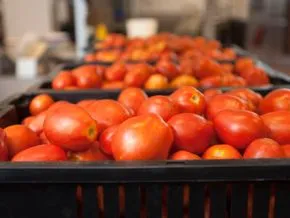

Morocco's New Subsidy for Tomato Exports Aims at Market Diversification
In a bid to expand its agricultural export markets, Morocco has implemented a new subsidy scheme specifically designed to bolster tomato exports beyond its traditional European Union and United Kingdom markets. This initiative, officially announced on March 5, 2026, through a decree in the Official Bulletin, offers exporters a financial incentive of 750 dirhams (approximately $79.44) per ton for fresh tomatoes shipped to destinations outside the EU and UK. This performance-based subsidy is strategically structured to encourage growth in export volumes that exceed a baseline established from average shipments recorded between September 2010 and August 2020, thereby promoting additional export activity rather than merely supporting existing trade flows.
The subsidy program is particularly focused on enhancing exports to African markets and other global regions, reflecting Morocco's commitment to reducing its heavy reliance on European markets. This shift comes at a time when Moroccan tomato exporters have faced increasing scrutiny and accusations of unfair competition from European agricultural producers, particularly in France and Spain. In 2024, Moroccan tomato exports reached 767,347 tons, valued at $1.15 billion, with the EU absorbing approximately 75.6% of these exports, while the UK accounted for 16.58%. Such a high dependency on these markets has raised concerns in Rabat about the sustainability of its tomato export strategy amidst ongoing trade tensions with European nations.
Addressing Trade Tensions and Future Opportunities
The necessity for diversification has been underscored by the persistent criticisms from European producers who allege that Moroccan exporters engage in unfair practices and lack transparency in product labeling. Despite the lack of conclusive evidence to substantiate these claims, the dialogue surrounding unfair competition continues to dominate discussions among stakeholders in the agricultural sector within Europe. In response to these challenges, representatives from Spain, France, Italy, and Portugal convened on February 10-11, 2026, to advocate for increased reciprocity in trade agreements with non-EU countries and to express their concerns over the trade concessions granted to Moroccan products.
By focusing on expanding its market reach to Africa and other regions, Morocco aims to mitigate the risks associated with its current market dependency. This strategic move is not only essential for future growth in tomato exports but also for the overall stability of its agricultural sector in an increasingly competitive global market. The Moroccan government is optimistic that this initiative will not only enhance its economic resilience but also position the country as a key player in the international tomato supply chain.
As reported by ecofinagency.com.