
Mohammed VI's Strategic Vision for Morocco and Europe
On October 9, King Mohammed VI unveiled a comprehensive document aimed at reshaping Morocco's approach to economic competitiveness, regional stability, and strategic co-development with Europe. This announcement, delivered in front of the Moroccan Parliament, indicates a significant shift in how Morocco intends to engage with its European partners, especially in light of recent challenges surrounding migratory cooperation. The essence of this vision lies in integrating economic and security policies into a unified strategy rather than treating them as separate entities. This approach recognizes that economic resilience and stability are critical to managing and mitigating migratory pressures and other security concerns.
The King emphasized the importance of addressing national priorities such as water, energy, and food security, youth employment, and industrialization before discussing foreign relations. This focus on domestic stability lays the groundwork for Morocco's proposal to its partners, suggesting that the strength of international cooperation hinges not only on political agreements but also on the economic capacities of states to avert vulnerabilities that can lead to crises.
Enhancing Economic Ties and Energy Cooperation
As Morocco strengthens its economic ties with the European Union, trade between the two entities has surged, reaching an impressive €62.2 billion in 2025. This growth signals a robust partnership that transcends mere economic exchanges; it also points to a potential for enhanced collaboration in various sectors, particularly in automotive and electrical equipment industries. By fostering deeper connections through training, investment, and infrastructure development, European companies stand to gain significant advantages in diversifying their supply chains.
Furthermore, energy cooperation presents a tangible opportunity for both Morocco and France. In July 2026, France initiated a call for expressions of interest to explore the feasibility of an electrical connection that would facilitate the import of renewable energy generated in Morocco. This initiative highlights the complementary nature of Morocco's energy production capabilities and Europe's pressing need for diversified energy sources. Such collaborations not only promise to expand supply options but also encourage infrastructure investments that can bolster both economies.
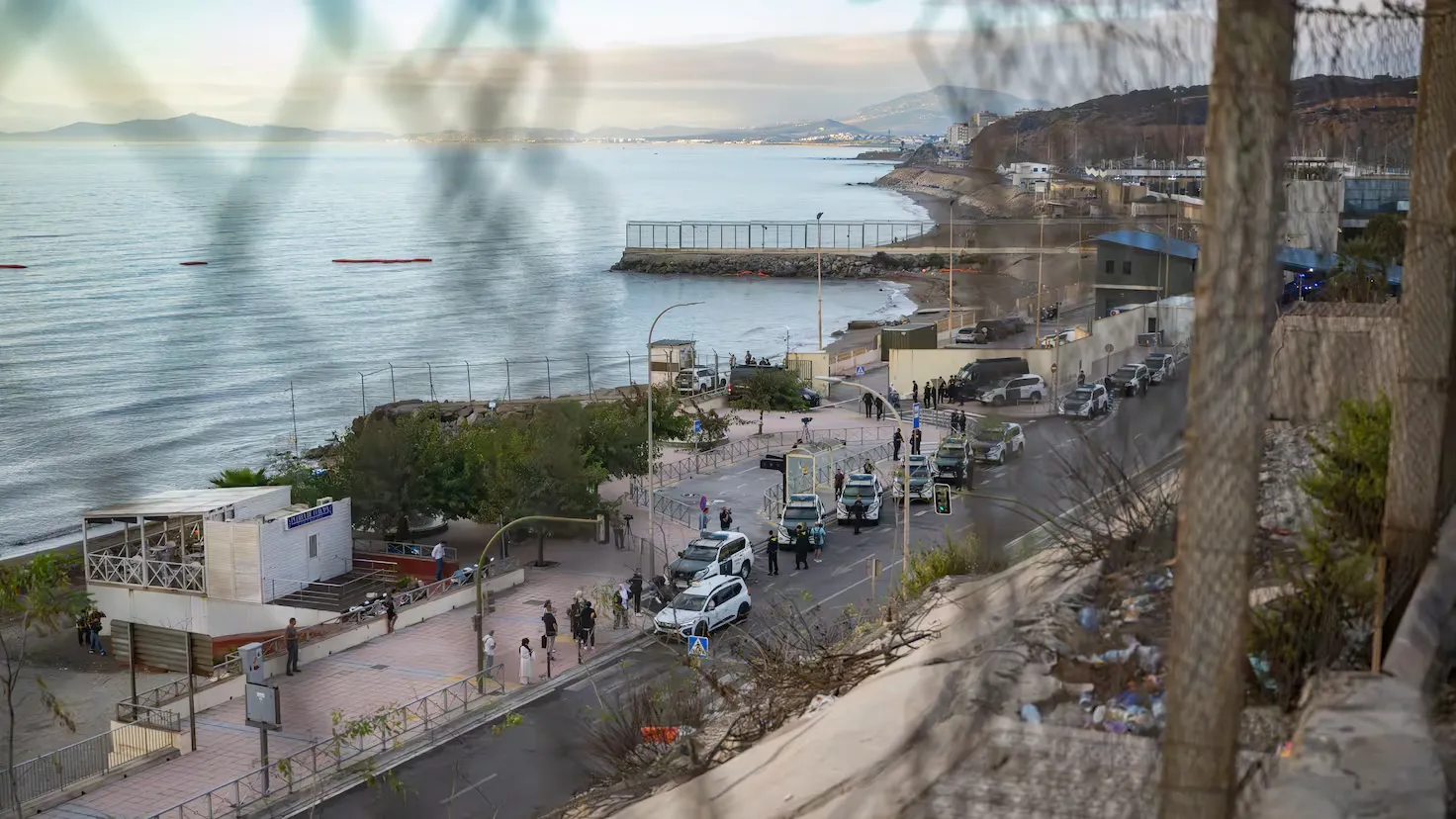
In terms of regional security, the King’s vision advocates for a more comprehensive approach to migration that links the fight against criminal networks with sustained cooperation in employment, training, and regular mobility. This strategy aims to address the root causes of irregular migration rather than merely managing its symptoms. By fostering equitable economic development, the hope is to create a stable environment that diminishes the likelihood of crises along borders, thereby ensuring that political and economic relations are not solely dictated by sporadic challenges.
Morocco's strategic positioning at the crossroads of the Mediterranean, Atlantic, and African regions further enhances its role as a pivotal partner for Europe. Recent discussions during the EU-Morocco Association Council have underscored the importance of joint initiatives aimed at stabilizing the Sahel region and connecting economic interests with broader developmental and security dynamics.
Ultimately, the Moroccan initiative underscores a commitment to long-term interests that prioritize integrated economies and shared responsibilities. For European nations, particularly France, this approach offers a path toward enhanced competitiveness, a more secure southern neighborhood, and a resilient partnership that is less dependent on isolated crises. This forward-thinking collaboration can significantly benefit both regions as they navigate the complexities of global trade and security.
As reported by lecourrierdelatlas.com.