
Embracing a New Era of Tourism
There are pivotal moments when a destination can proactively shape its future instead of merely reacting to it. For Morocco, the upcoming decade represents one of those critical junctures. As Chinese international travel continues its recovery and transformation, Morocco has the unique opportunity to establish itself not just as another long-haul vacation spot, but as one of the most distinctive cultural and experiential destinations for the next generation of travelers from China. The kingdom already possesses many attributes that global travelers seek: a rich cultural identity, exceptional hospitality, diverse landscapes, a well-developed tourism infrastructure, political stability, and an authenticity that is inherently valuable. However, simply possessing these assets is not sufficient for achieving market leadership.
Adapting to the Evolving Preferences of Chinese Travelers
It is essential to distinguish between being China-ready and being China-relevant. While readiness focuses on operational aspects, relevance is rooted in strategic understanding. This involves recognizing the changing dynamics of the market, the ways in which Chinese travelers discover new destinations, the factors that influence their travel decisions, and the types of experiences that will foster lasting loyalty. The Chinese outbound traveler of tomorrow will not mirror the profiles of past decades. Although large-group excursions will still hold a place in the market, there is a growing segment of affluent, independent, and digitally-savvy travelers who prioritize depth over breadth. These travelers are more inclined to seek genuine local culture rather than a mere checklist of landmarks, distinctive culinary experiences over generic luxury, wellness and nature instead of the relentless rush of constant movement, and personal experiences that become compelling stories worth sharing.
This evolving traveler profile aligns perfectly with Morocco’s strengths. Few destinations can boast a combination of imperial cities, stunning Atlantic and Mediterranean coastlines, majestic mountains, expansive desert landscapes, contemporary design, artisanal craftsmanship, gastronomic delights, and a deeply rooted cultural heritage within a single journey. In a tourism economy where destinations risk becoming increasingly homogenized, Morocco’s most significant competitive advantage may lie in its unique sense of place, which cannot be replicated.
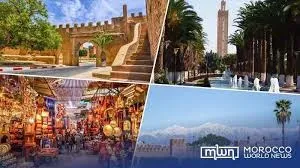
Marrakech will undoubtedly remain a natural entry point for travelers, with its remarkable architecture, traditional riads, bustling souks, and vibrant culinary scene providing an enticing gateway to cultural exploration and unforgettable experiences. However, the national opportunity extends far beyond Marrakech. Casablanca can embody modern Morocco through its business dynamics, architectural innovations, design, and urban vitality. Rabat can enhance its reputation as the cultural and institutional heart of the kingdom, while Tangier can showcase Morocco’s Mediterranean influences and international character. Agadir has the potential to build on its strengths in leisure and wellness tourism, while destinations like Fez, Essaouira, Chefchaouen, and Ouarzazate can offer unique experiences that increasingly attract seasoned travelers who seek to explore beyond the conventional.
The strategic challenge is not merely to promote additional destinations but to weave them into cohesive journeys, establishing compelling reasons for longer stays while narrating a national story that is both comprehensible and rich in exploration. As the competition for the Chinese traveler intensifies, success will not solely hinge on participation in tourism fairs or traditional distribution methods; it will increasingly depend on engaging with travelers long before they depart. Digital platforms where inspiration, social validation, planning, and booking converge will play a crucial role in shaping their travel experiences.
For Morocco to fully capitalize on this trend, it is imperative to establish a deliberate presence within the Chinese digital landscape, including platforms like WeChat, Weibo, Ctrip, Mafengwo, and Xiaohongshu. This presence should be underpinned by content that is not just translated into Mandarin but is genuinely localized to resonate with Chinese audiences. This means crafting narratives that reflect their interests, behaviors, and cultural references. Engaging Chinese creators, journalists, opinion leaders, and travel specialists to experience the country in-depth will further enhance this strategy, allowing them to become cultural ambassadors who can share the unique essence of Morocco with their followers.
Accessibility is another critical factor in converting awareness into tangible tourism growth. Morocco’s visa policy towards Chinese visitors has already made significant strides in unlocking potential demand. The next step is to enhance air connectivity, establishing stronger direct links between China and Morocco. Casablanca serves as the ideal aviation hub, and improving access to Marrakech, Agadir, Tangier, and other destinations can transform a simple arrival point into a rich multi-destination journey. This requires viewing airline partnerships, destination marketing, tour operators, and major travel platforms as part of a cohesive ecosystem that enhances travel confidence, visibility, and commercial momentum.
Ultimately, the experience that travelers have once they arrive will be shaped by the private sector, including hotels, restaurants, travel companies, and cultural institutions. It is essential to facilitate a frictionless experience for Chinese travelers while retaining the unique Moroccan identity. This involves providing language support where necessary, ensuring payment and digital convenience, offering culturally aware service, and creating itineraries that align with the preferences of guests. The goal should not be to alter Morocco to fit a single nationality but to enhance understanding and enjoyment for Chinese travelers without compromising the destination's intrinsic character.
With ambitious targets, like welcoming one million Chinese visitors by 2030, Morocco can inspire structural changes across aviation, destination marketing, distribution, technology, hospitality, and investment. Such growth will require a nuanced understanding of success that goes beyond visitor volume to include metrics like length of stay, average spending, geographic distribution, seasonality, repeat visits, and guest advocacy. One million arrivals should not be viewed as an endpoint; rather, it should reflect one million opportunities to cultivate future ambassadors for Morocco.
Furthermore, the relationship between Morocco and China holds potential that extends beyond tourism. Both nations are ancient civilizations with rich cultural legacies, hospitality traditions, and a profound respect for heritage. Travel can serve as a bridge between these two cultures, fostering a deeper understanding and appreciation for each other's uniqueness. Every visitor who engages with Moroccan craftsmanship, cuisine, architecture, and landscapes contributes to a broader exchange between Asia and Africa, blending tradition with modernity, commercial prospects with cultural exchange.
Therefore, the pertinent question is not solely, 'How do we attract more Chinese tourists?' but rather, 'What kind of relationship does Morocco aspire to build with the future Chinese traveler?' If Morocco can address this question with clarity, coordination, and ambition, it will not only participate in the evolving landscape of Chinese outbound tourism but will also carve out a distinctive and meaningful position within it. The market is indeed evolving, the opportunity is substantial, and Morocco possesses a unique asset that is becoming increasingly valuable in the global tourism arena: a destination imbued with soul.
As reported by moroccoworldnews.com.