
Rabat is finding itself increasingly unable to defend the interests of its own farmers in the face of stringent measures imposed by Washington. Despite the mobilization of Morocco's leading agricultural confederation and its appeal to the Ministry of Foreign Affairs, the government led by Nasser Bourita has struggled to persuade the American administration to reconsider new customs measures targeting Moroccan agricultural and agri-food exports. This situation is particularly embarrassing for the Makhzen, which has long touted its relationship with Washington as a cornerstone of its economic diplomacy. However, when the interests of Moroccan exporters are directly threatened, this proclaimed closeness to the United States has proven incapable of yielding any tangible results.
The Moroccan Confederation of Agriculture and Rural Development (Comader) had raised alarms well in advance. In a letter dated July 2, its president, Rachid Benali, warned the Moroccan Ministry of Foreign Affairs about the implications of the new American directive regarding forced labor. Unfortunately, Rabat's response was underwhelming; the teams under Nasser Bourita's leadership failed to provide the necessary evidence to the American authorities to sway their decision. This failure is particularly concerning given that Washington regards Morocco as one of 54 countries lacking a sufficiently explicit legal framework to prohibit forced labor in the agricultural sector.
The hearings conducted in the United States from July 7 to 9 proved to be a significant setback for Rabat. Various stakeholders—including foreign governments, businesses, professional federations, labor unions, NGOs, human rights organizations, and experts—were heard, while Morocco failed to present any compelling arguments to counter those put forth by the American side. In essence, at a crucial moment when it needed to advocate for the interests of its farmers and exporters, the kingdom found itself lacking convincing arguments in the face of Washington's assertions.
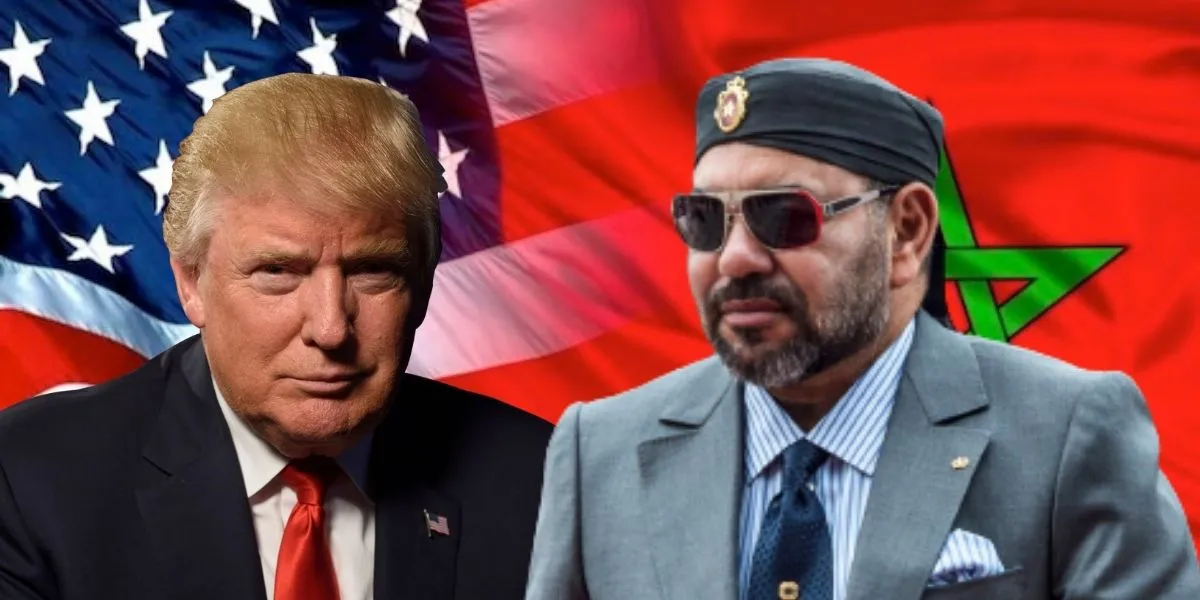
The immediate consequences of this diplomatic failure are dire. An enforcement order issued on July 24 by the U.S. Trade Representative's office, under Section 301 of the Trade Act of 1974, mandates an increase in tariffs specifically targeting agricultural and agri-food products from countries deemed insufficiently equipped to combat forced labor. For Moroccan exporters, this represents a significant blow, as an additional tax of 12.5% now applies to the affected exports heading to the American market. This new measure arrives at a time when Moroccan products were already contending with tariffs imposed during Donald Trump's administration.
The free trade agreement established between Rabat and Washington in the early 2000s is now facing severe challenges. Rabat had long promoted this agreement as a testament to its strategic alliance with the United States, positioning it as a tool for Moroccan businesses to access the American market under favorable conditions. Today, however, Washington is utilizing its trade arsenal to impose new constraints on Moroccan exporters. The contrast is glaring: while Rabat continues to make political concessions to Washington, when Moroccan economic interests are directly at stake, this closeness seems to hold little value.
Moreover, there is an additional dimension to this issue, directly tied to Donald Trump's administration. Critics of the American government argue that the new procedure may allow the White House to circumvent restrictions stemming from a U.S. Supreme Court ruling regarding the president's unilateral authority to impose certain tariff increases. By invoking Section 301, the Trump administration would gain another legal instrument to maintain or reintroduce an aggressive tariff policy.
Regardless of the legal battles in the U.S., the outcome for Moroccan exporters remains unchanged: a new customs burden and a deterioration of their access to the American market. Furthermore, Rabat cannot even claim ignorance of the measure until the last moment. Comader had alerted the Ministry of Foreign Affairs several weeks prior to the American decision, providing the Moroccan government with ample time to prepare a response, mobilize its diplomatic apparatus, and present legal guarantees to Washington to protect Moroccan exports. Unfortunately, these efforts proved futile.
This incapacity highlights the limitations of the Makhzen's economic diplomacy. An external policy based on the constant pursuit of proximity to major powers does not necessarily ensure the protection of national economic interests. Morocco can showcase its strategic loyalty to Washington; however, when the United States opts to defend its own commercial interests, Rabat is starkly reminded of the limits of its influence. Consequently, Moroccan farmers and exporters are left to bear the brunt of this diplomatic failure.
In the face of Washington, the Makhzen is abruptly confronted with the reality of power dynamics: when it comes to safeguarding its own interests, the American administration has no favored allies, only interests to protect. Despite its alleged influence, Rabat has been unable to sway the U.S. government from its course of action.
As reported by lapatrienews.dz.