
Morocco is currently experiencing a remarkable transformation in its tourism sector, having welcomed **19.8 million visitors in 2025**, marking a significant **14% increase** compared to 2024. The financial gains from tourism reached a historic high of **MAD 138 billion**, while classified accommodations recorded **43.4 million overnight stays**, which is a notable **9% increase**. This upward trend has persisted into 2026, with the first quarter alone seeing **4.3 million tourists** and **travel receipts** soaring to **MAD 31 billion**. The allure of Morocco extends far beyond its famed Marrakech, as cities such as Agadir, Rabat, Tangier, Fès, and Casablanca are carving out their own unique niches in the tourism landscape. Enhanced air connectivity from Europe is also making Morocco an increasingly attractive option for short getaways, coastal retreats, and multi-city travel itineraries.
The Evolving Landscape of Moroccan Tourism
The impressive statistics regarding Morocco’s recent tourism performance indicate a profound structural shift rather than a temporary surge. The country welcomed an additional 2.4 million visitors in 2025, culminating in a remarkable **53% increase** in arrivals compared to 2019. Key European markets such as France, Spain, the United Kingdom, Belgium, and Italy have all seen double-digit growth, underscoring Europe’s vital role in Moroccan tourism.
Notably, tourism receipts are outpacing visitor growth, with the **MAD 138 billion** generated in 2025 representing a **21% increase** from the previous year and a **75% increase** compared to 2019. This divergence is significant as it indicates that Morocco is deriving greater economic value from a rapidly expanding visitor base. According to the 2024 Tourism Satellite Account, the contribution of tourism-related GDP has surged by **38.4%** since 2019, increasing its share of the national GDP from **6.8% to 7.3%**, highlighting the sector’s expanding economic impact.
Shifting Tourist Dynamics: Beyond Marrakech
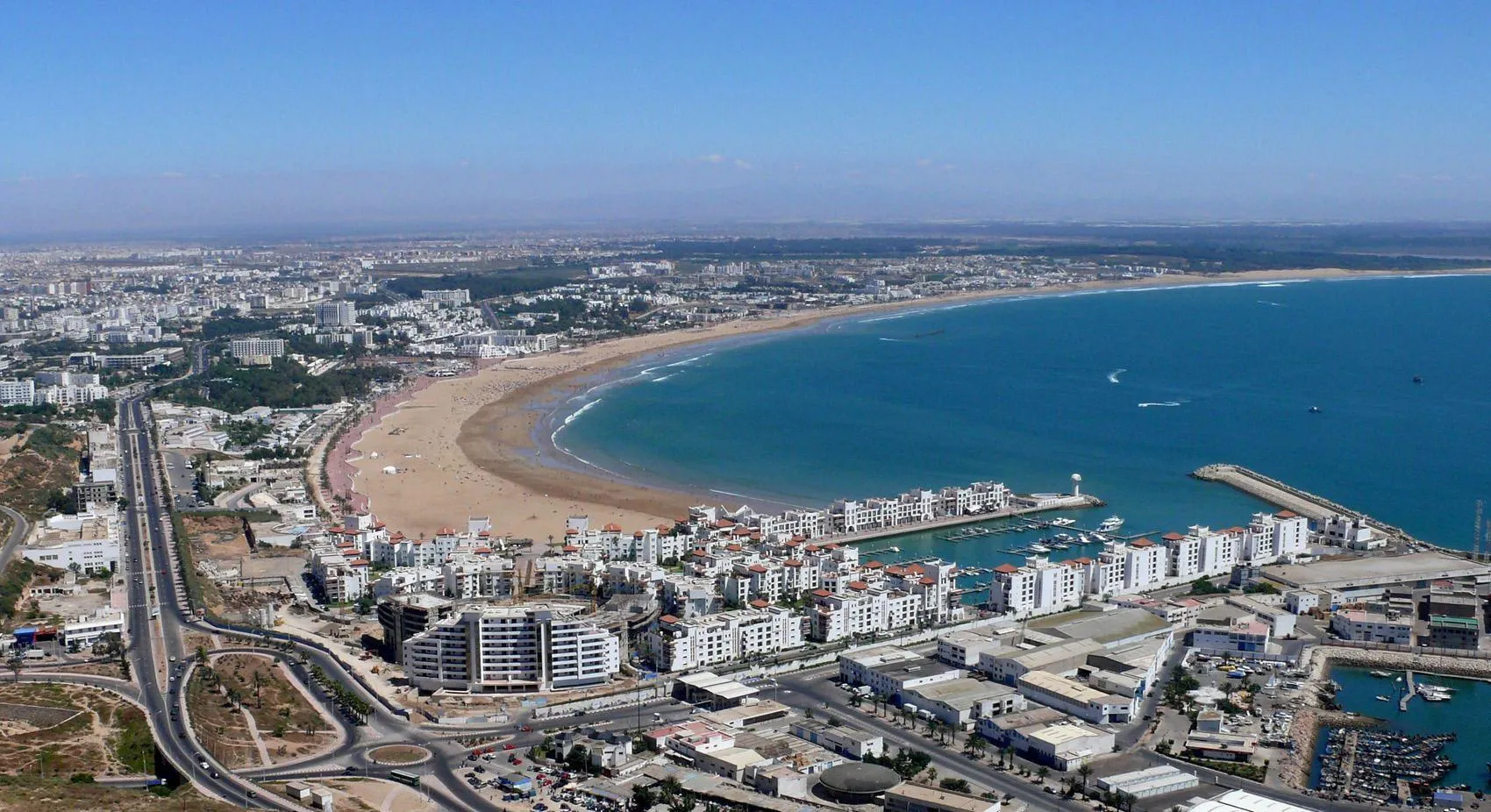
While Marrakech continues to be the leading attraction for leisure travelers, the broader Moroccan tourism map is diversifying. The city’s unique blend of historic medinas, exquisite gastronomy, luxurious accommodations, wellness facilities, and access to the breathtaking Atlas Mountains and desert landscapes solidify its status as a premier destination. However, Agadir is rapidly emerging as a formidable counterpart, offering picturesque beaches, a well-developed resort infrastructure, and a mild climate, which positions it as an ideal location for coastal tourism. This duality allows travelers to experience both a culturally rich city break in Marrakech and a relaxing resort stay in Agadir, creating a more varied holiday experience.
Rabat and Tangier are also enhancing the options for urban explorers. With Rabat’s airport serving over two million passengers in 2025, marking a **26% growth**, and Tangier’s airport traffic rising by **17%**, these cities are becoming attractive alternatives for shorter stays. Their improved connectivity to key European cities allows for more direct city breaks, further distributing the tourist influx across Morocco’s diverse regions.
The geographical proximity of Morocco to Europe plays a crucial role in its tourism appeal, as it offers a unique North African cultural experience within a short flying distance from major European markets. With significant increases in arrivals from Italy, the UK, Spain, France, and Belgium, the enhanced air connectivity is likely to continue driving demand. The country’s airport network recorded a record year in 2025, with Casablanca exceeding **11 million passengers** and Marrakech reaching **10 million**.
As Morocco sets its sights on welcoming **26 million tourists by 2030**, it is essential that the growth in demand is matched by improved infrastructure, service standards, and accommodation capacity. The ongoing investment in the tourism sector promises a broader Moroccan experience, with increased direct flight options and enhanced hotel capacities allowing travelers to explore less-frequented regions more easily. This strategic focus on diversifying travel experiences throughout the country, while also ensuring sustainability, positions Morocco to thrive in the ever-evolving global tourism landscape.
As reported by travelandtourworld.com.