
The Intersection of Monarchy and Football in Morocco
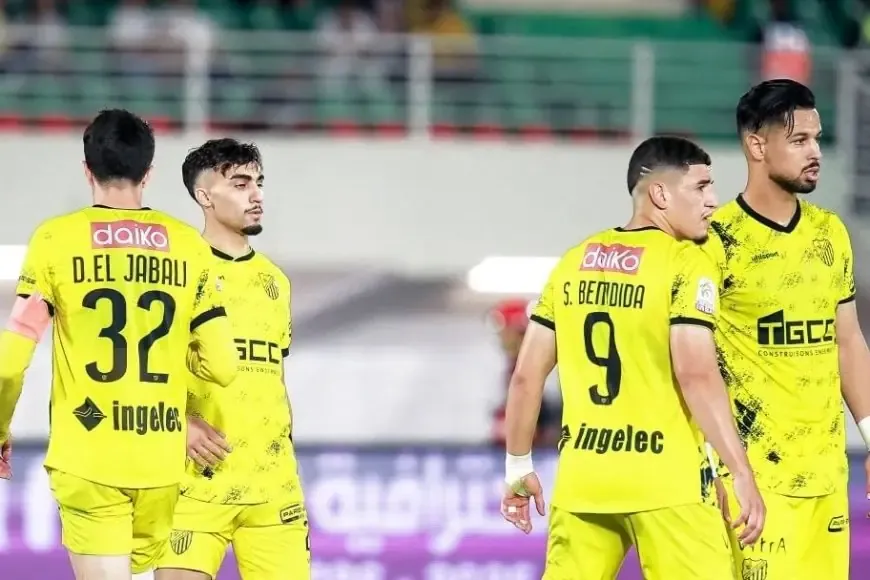
The excitement surrounding Morocco's football achievements during the World Cup has underscored the deep-rooted connection between the monarchy and the sport, as evidenced by the recent celebration of their victory against Canada in the Round of 16. King Mohammed VI was quick to express his pride, personally congratulating the national team’s coach, Mohamed Ouahbi, and captain, Achraf Hakimi. The players, visibly exhausted yet relieved, returned to the locker room to receive the royal call, which was soon announced in Moroccan media. In a heartfelt Instagram message the following day, Hakimi thanked the king for his unwavering support and substantial investments in football infrastructure, which empower players to excel and instill national pride. This close relationship between the Moroccan state and its football scene is particularly relevant as the country prepares to co-host the 2030 World Cup alongside Spain and Portugal.
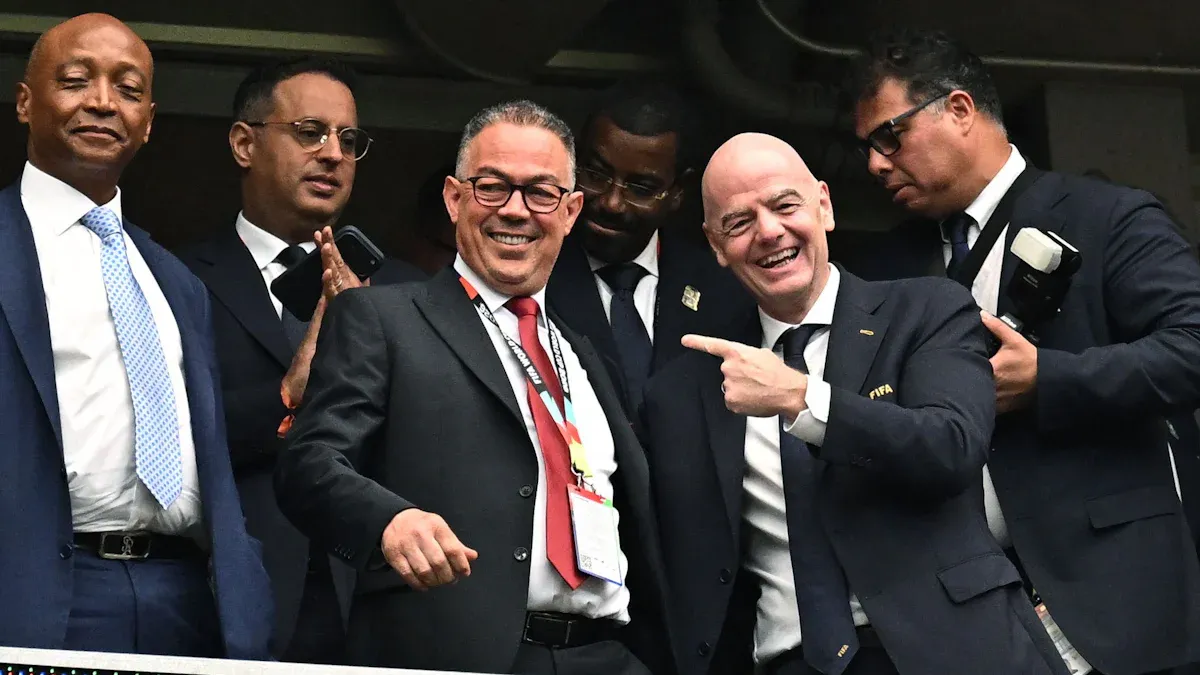
Despite the ongoing controversies surrounding FIFA President Gianni Infantino and his potential re-election, Morocco's situation is uniquely positioned. The interactions between state officials and sports figures are commonplace in many regions, and Morocco is no exception. The king’s involvement in football is not merely ceremonial; it reflects a broader narrative of national unity and pride, particularly in a country where football serves as a symbol of stability amidst political fluctuations.
Football as a Tool for National Identity
The Moroccan monarchy has historically leveraged football as a means to foster national pride and connect with the populace. Throughout the years, stadiums and youth academies have been named after members of the royal family, and the Moroccan Football Association holds the distinction of being "Royal." The timing of the national cup, aligned with the Throne Day festivities, further illustrates this integration. While King Mohammed VI may not frequently attend matches for security reasons, his public endorsements of football and interactions with national players highlight his commitment to the sport and its role in society. Recent photographs of the king meeting with players in the royal palace, often accompanied by their families, emphasize the communal and familial values that football represents in Moroccan culture.
Historical context adds depth to this relationship. Following Morocco's independence in 1956, the influence of French and Spanish colonial powers diminished, giving way to a new era where Moroccans began to take the helm of their football associations and clubs. King Hassan II played a pivotal role in this transition, establishing clubs with military ties and actively participating in football governance. His leadership, characterized by a blend of strictness and symbolic gestures, helped shape the modern Moroccan football landscape.
As Morocco prepares to host the World Cup in 2030, the significance of football as a tool for social cohesion and national narrative cannot be understated. The nation grapples with issues like youth unemployment, which exceeds 20% in some regions, leading to rising discontent among the populace. The vision of using football to drive infrastructure and tourism development is a double-edged sword, met with skepticism by those who question the benefits of such investments. The recent appointment of Fouzi Lekjaa, a close ally of the king, as the head of the local organizing committee for the World Cup, signifies an ongoing commitment to intertwining sports with national development, although critics caution against potential conflicts of interest.
As Morocco's role in African football expands, with Lekjaa's recent ascent within the FIFA ranks, the implications for the continent's sporting future are profound. The awarding of the Africa Cup title to Morocco after Senegal's victory has sparked debate and highlighted the shifting dynamics within African football governance. FIFA's strategic interest in Morocco, particularly with plans for a new stadium in Casablanca, positions the nation as a key player in the evolving landscape of international football. With the next World Cup on the horizon, Morocco stands at a crossroads, balancing historical ties to monarchy and the aspirations of a nation ready to embrace its footballing destiny.
As reported by sueddeutsche.de.