
Morocco's Ambitious Preparations for the 2030 World Cup
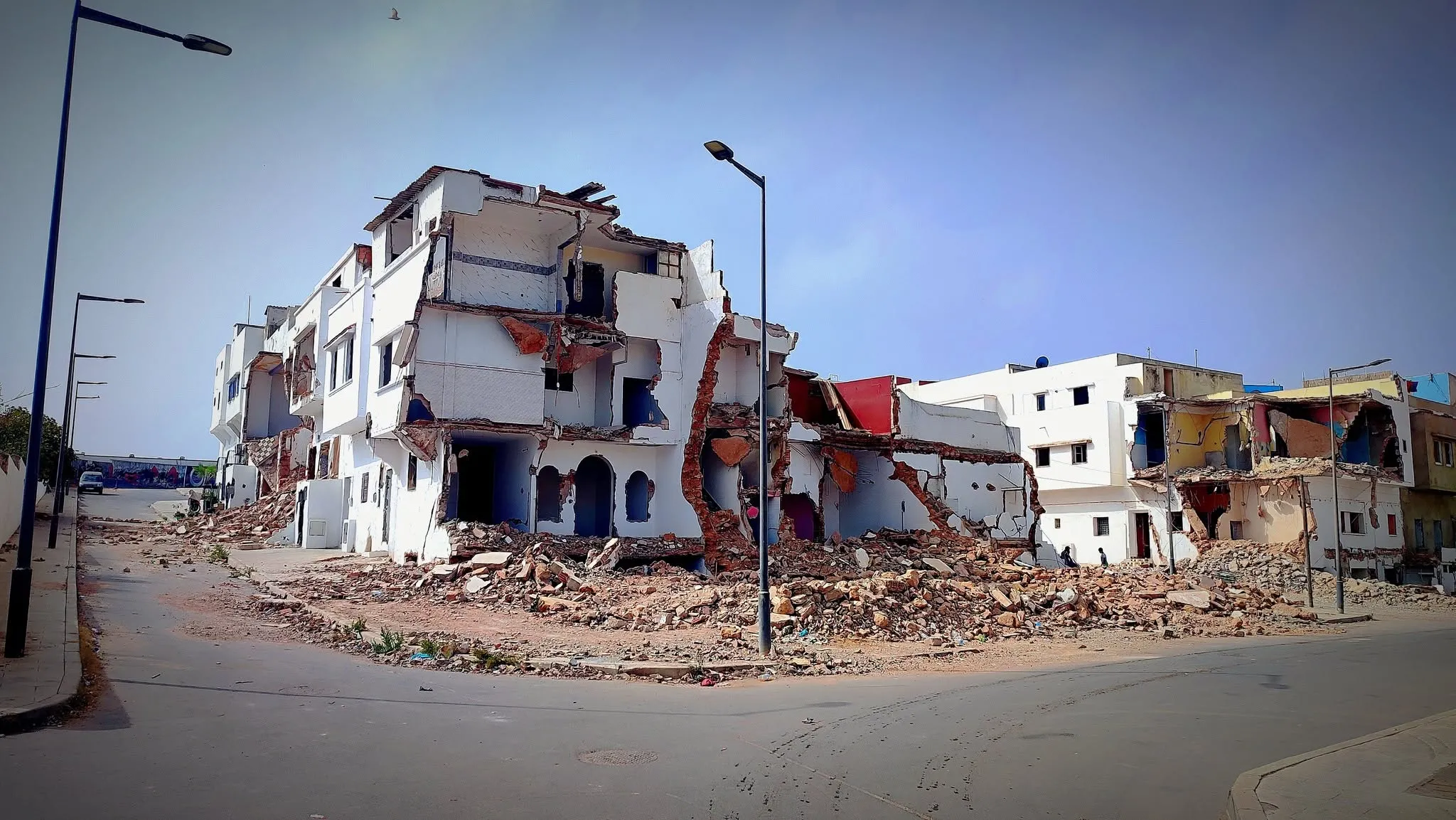
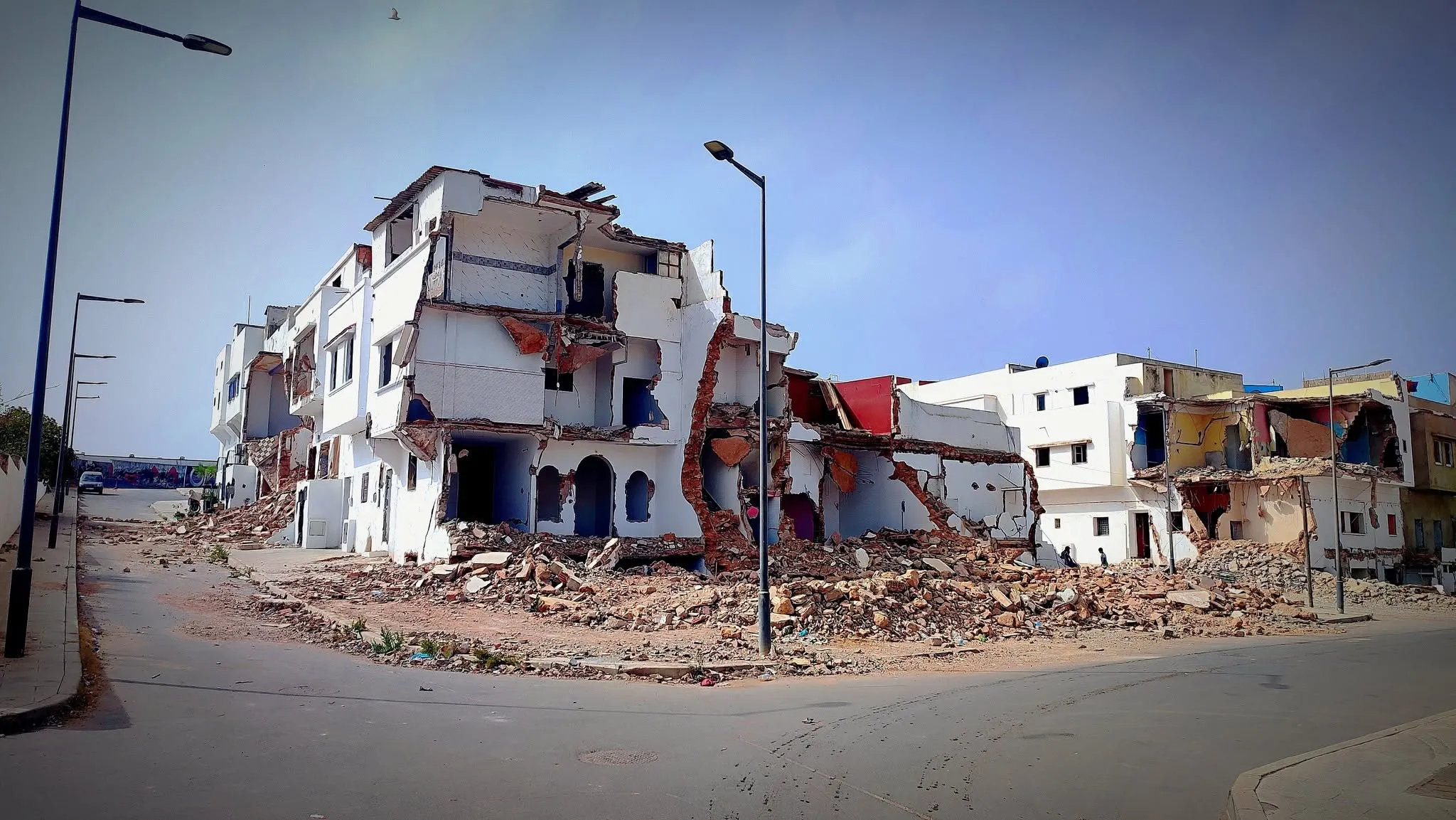
As Morocco gears up for the 2030 FIFA World Cup, the nation is undergoing a significant urban transformation that extends beyond the construction of stadiums and hotels. This extensive redevelopment initiative includes the demolition and rehabilitation of major residential neighborhoods in key cities such as Rabat, Casablanca, and Marrakech. The landscape of several Moroccan cities is rapidly changing due to the acceleration of infrastructure improvements, which encompass not only sports facilities and transportation networks but also urban spaces where entire neighborhoods are being restructured or displaced to accommodate the upcoming global event.
Local authorities present these changes as part of a broader effort to modernize urban areas and address issues related to inadequate housing. However, the demolition and expropriation processes raise numerous questions regarding the fate of displaced residents, the adequacy of compensation, and the impact of such relocations on social relations and daily life patterns. The transformation is not merely a logistical endeavor; it is also a profound social challenge that requires careful consideration of the repercussions on communities.
Social Costs and Urban Resilience
The preparations for the World Cup are not just about building infrastructure; they also entail reshaping the very identity of Morocco's cities. This urban overhaul presents both opportunities for improvement and challenges for the communities affected. Historical neighborhoods in cities like Casablanca are undergoing significant changes, particularly in the context of the "Mohaj Royal" project, which aims to connect the city center with the iconic Hassan II Mosque. This development has led to the demolition of several historical districts, raising concerns among local residents and activists who argue that these changes are driven by World Cup preparations, despite official claims of being part of long-standing urban initiatives.
In Rabat, the historic old neighborhood of Al-Muhit is witnessing massive demolitions aimed at enhancing the city’s appeal as it prepares to host the World Cup. Similarly, Marrakech has seen significant redevelopment in tourism-focused areas, with residents being relocated to other neighborhoods. Thousands of families in densely populated areas anxiously await similar changes, all in the name of the World Cup. While residents typically receive financial compensation for their relocation, many homeowners express dissatisfaction with the offered amounts, often leading them to seek justice through protests or legal channels.
The social cost of these transformations extends beyond mere displacement. It encompasses the loss of deep-rooted community ties that have developed over years, as families are torn from their homes and forced to adapt to new environments. As social researcher Mohamed Majdoulin points out, the invisible social costs borne by families uprooted from their long-time residences can disrupt their daily lives significantly. The emotional toll of leaving behind established neighborhoods, schools, and local businesses can lead to a fragmented social fabric that is difficult to restore.
While the Moroccan government views the World Cup as a catalyst for urban renewal, it is crucial to implement a socially responsible approach that prioritizes the rights and stability of affected residents. Urban development should not merely focus on physical infrastructure but also ensure the preservation of social relationships and community cohesion. Careful planning and engagement with local populations are essential to mitigate the adverse effects of these transformations and promote a sustainable urban future.
As reported by independentarabia.com.