
Reimagining Urban Landscapes for World Cup 2030
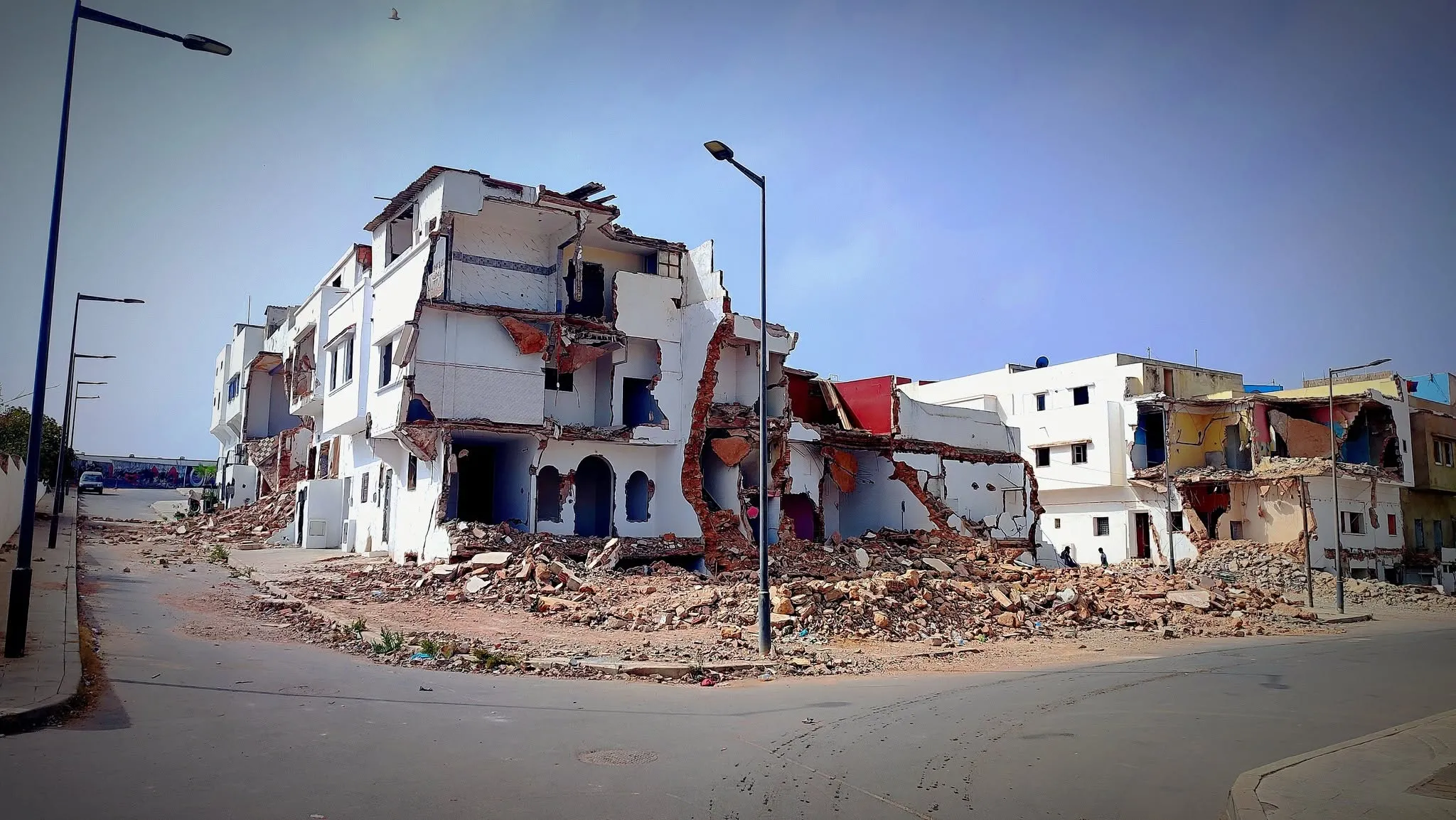
As Morocco gears up for the 2030 World Cup, the nation is undergoing an extensive urban transformation that transcends the mere construction of stadiums, hotels, and roads. This ambitious initiative includes the demolition and rehabilitation of significant residential neighborhoods in cities such as Rabat, Casablanca, and Marrakech. The rapid pace of redevelopment is reshaping the urban fabric of numerous Moroccan cities, with infrastructure improvements aligning with the broader goal of hosting this prestigious global event. The Moroccan authorities are promoting these efforts as essential components of urban modernization, aimed at addressing informal housing conditions and enhancing urban spaces.
However, the processes of demolition and property expropriation raise critical questions regarding the fate of displaced residents, the adequacy of compensation, and the impact on social relationships and living patterns. The transformation is not merely a logistical endeavor; it represents an intricate balance between urban development and social equity, prompting discussions about the social costs associated with such sweeping changes.
Social Costs and Community Displacement
The preparations for the World Cup reflect a broader societal challenge, as families are compelled to vacate their long-standing homes for new residences in unfamiliar areas. This abrupt transition is more than just a logistical move; it uproots individuals from their established communities, disrupting social networks that have been nurtured over years. According to social economist Mohamed Majdoul, the hidden social costs incurred by families facing displacement are profound. The loss of familiar surroundings, established relationships, and community support systems can lead to significant emotional and psychological ramifications.
Moreover, the financial implications of relocation are often underappreciated. Families may find that moving to a new area incurs additional costs, such as longer commutes and transportation expenses, which can strain already limited budgets. Small business owners may struggle to maintain their customer base after relocating, risking their livelihoods in the process. Majdoul emphasizes that the social losses extend beyond the physical structures being demolished; they encompass the erosion of social capital and community cohesion that these neighborhoods represent.
While the Moroccan government views these urban changes as opportunities to modernize and enhance the country's infrastructure, stakeholders stress the importance of adopting a socially responsive approach. Urban planner Karim Ayach argues that the developments surrounding the World Cup could serve as a catalyst for much-needed urban reform. He envisions a future where Moroccan cities evolve into more balanced, sustainable, and modern urban spaces, improving the quality of life for residents in the long term.
However, the success of these initiatives hinges on the ability to respect the rights of affected communities. Engaging residents in decision-making processes and ensuring fair compensation and suitable housing alternatives are paramount to maintaining social stability. Ayach concludes that Morocco's ambition should extend beyond merely hosting a successful sporting event; it must also focus on creating urban environments that prioritize citizen rights and dignified living conditions.
As reported by independentarabia.com.