
Over the past decade, Morocco has experienced an alarming trend of diminishing rainfall, culminating in a record six consecutive years of below-average precipitation from 2019 to 2024. This protracted dry spell was not just a fleeting meteorological anomaly; it represented a severe structural challenge as well. The hydrological year of 2023-24 was particularly dire, marking the driest period in over sixty years with a national average rainfall of merely 106.4 mm. The situation was exacerbated by a significant decline in per-capita renewable water availability, which has plummeted to approximately 620 cubic meters annually due to over-extraction and the depletion of several aquifers. As a result, the outlook for autumn 2025 seemed bleak, with little indication of improvement on the horizon.
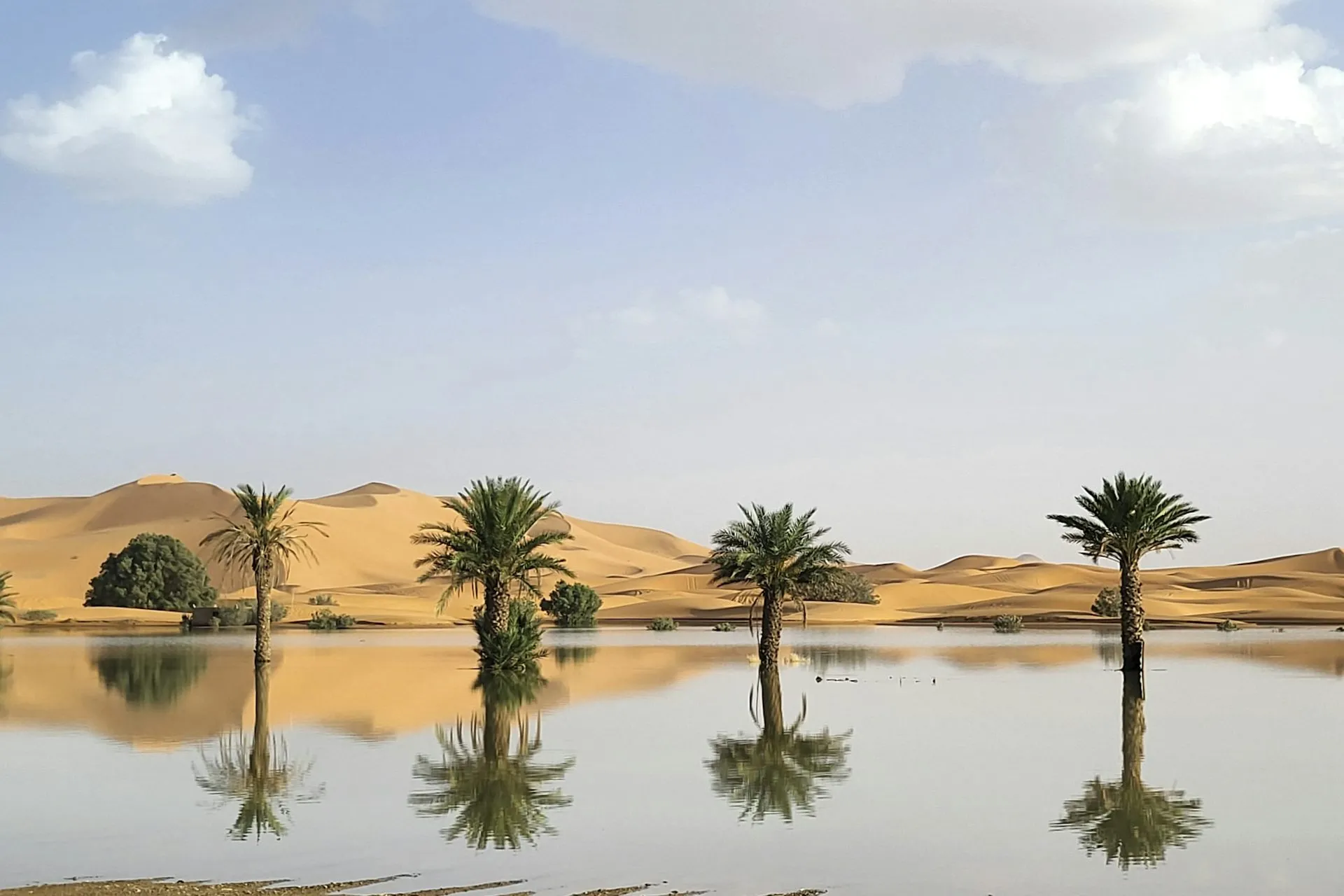
However, the arrival of winter 2025-26 brought an unexpected and dramatic turnaround. The long-standing drought conditions were abruptly reversed as Morocco received an unprecedented volume of rainfall, marking the end of seven years of dry conditions in just one season. Reservoirs that had been significantly depleted began to refill rapidly, and rivers that had been parched for years came alive once more. This remarkable shift in weather patterns coincided with the emergence of a record-breaking El Niño phenomenon in the Pacific Ocean, raising concerns about whether Morocco might revert to drought conditions. However, analysis suggests that the North Atlantic may play a more pivotal role in determining the future weather patterns for northwestern Africa than the El Niño itself.
Understanding the Weather Dynamics
The winter rains that typically nourish Morocco are predominantly driven by Atlantic storms. The extent to which these storms reach the country is influenced by the North Atlantic Oscillation (NAO), which describes the pressure difference between the Azores and Iceland. This pressure gradient affects the behavior of the jet stream, a high-altitude air current that channels weather systems across the Atlantic. When the pressure difference is pronounced, the jet stream tends to flow faster and further north, diverting storms toward northern Europe. Conversely, a weakened pressure gradient can lead to a southward shift in the jet stream, which is precisely what occurred during the winter of 2025-26. As the pressure fell in the Azores and rose near Iceland, the jet stream meandered southwards, allowing a series of Atlantic storms to funnel into Morocco, delivering ample moisture and precipitation.
This altered weather pattern was characterized by a combination of a weakened pressure gradient, a southward-displaced jet stream, and a succession of Atlantic storms that brought significant rainfall to Morocco. The geography of the Rif and Atlas mountains further amplified this effect, forcing the moist air upwards and resulting in particularly heavy rainfalls, especially in the Sebou basin located in the northeastern part of the country.
The Implications of a Super El Niño
Currently, the tropical Pacific is transitioning into what is anticipated to be a super El Niño event, with the U.S. National Oceanic and Atmospheric Administration estimating a greater than 90% probability of a very strong El Niño this winter. This raises critical questions regarding its potential impact on Moroccan weather: Will the country experience another wet winter, or is there a risk of returning to drought conditions? While it is too early to provide definitive answers, it is crucial to recognize that El Niño is just one piece of a more complex climatic puzzle. The interactions between the Pacific and the North Atlantic are intricate and often unpredictable. Strong El Niño winters typically influence the North Atlantic Oscillation, potentially pushing it into a negative phase, which could favor increased storm activity over Morocco. However, the Atlantic's internal variability and the competing climatic influences must also be considered.
Historically, establishing a clear and consistent relationship between El Niño events and Mediterranean rainfall has proven challenging. The analysis of the 2025-26 winter exemplifies this uncertainty, revealing that the return of rainfall to Morocco was predominantly dictated by North Atlantic conditions rather than a direct influence from the Pacific. As climatic patterns continue to evolve, the relationship between these two oceans remains dynamic and subject to change. While recent trends indicate that El Niño's influence on North African rainfall may have strengthened since 2000, this connection is not always reliable and can fluctuate over time.
As Morocco navigates the aftermath of an extraordinary wet winter and contemplates the uncertainties that lie ahead, it becomes evident that while El Niño may alter the probabilities of future weather patterns, it does not ultimately dictate outcomes. The interplay of various climatic forces will determine whether Morocco faces another season of drought or continues to enjoy the benefits of abundant rainfall.
As reported by theconversation.com.