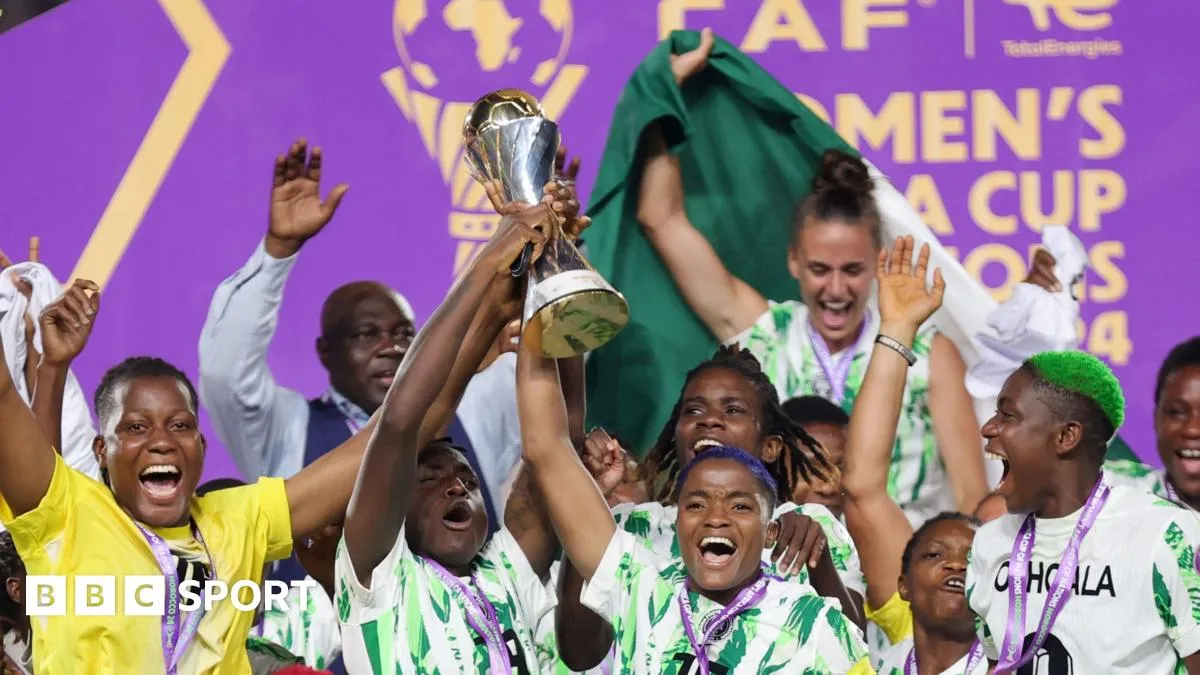

Nigeria's Reign and Morocco's Hosting Dilemma
Nigeria remains the reigning champion of the Women's Africa Cup of Nations (Wafcon), having secured their tenth title in Rabat last year. However, recent developments have thrown the upcoming tournament into disarray, following its last-minute postponement just three weeks prior to its originally scheduled start on March 17. The new dates now set the tournament to take place from July 25 to August 16, but the reasons behind this unexpected delay have yet to be clarified. A senior official from the Moroccan government, Minister of Industry and Trade Ryad Mezzour, publicly stated that Morocco is prepared to host the competition at any time, emphasizing their readiness and pride in holding such significant events.
Morocco has increasingly established itself as a hub for continental football, having hosted numerous key tournaments, including the last two Wafcon events, the Women's Champions League, and several editions of the Africa Cup of Nations (Afcon). The kingdom's commitment to football is evident, but the recent chaos surrounding the men's Afcon final, where Senegal protested refereeing decisions, raises questions about the overall management of football events in the region.
Uncertainty and Speculation Over Hosting Rights
The speculation surrounding the postponement has been fueled by comments from various officials, including South African Sports Minister Gayton McKenzie, who mentioned that South Africa was ready to step in as hosts if necessary. This has led to further uncertainty about Morocco's ability to host the Wafcon as planned. The Confederation of African Football (Caf) had initially cited “unforeseen circumstances” for the postponement, leaving many to wonder what exactly transpired behind the scenes. As teams were in the final stages of preparation, the abrupt change has left players and officials frustrated, particularly given the significance of the tournament as it also serves as a qualifier for the FIFA Women's World Cup in Brazil next year.
Nigeria's defender Ashleigh Plumptre expressed her concerns, highlighting that many teams have never participated in the Wafcon, making the opportunity for qualification to the World Cup even more critical. The last-minute nature of the postponement has left players scrambling, as they must adapt to the sudden changes while preparing for a tournament that holds immense importance for the future of women's football in Africa. As discussions continue, Morocco's status as the host remains uncertain, but insiders suggest that the country still expects to take on the role in July, despite the challenges ahead.
As reported by bbc.com.