
Defense Ministry's Controversial Vacation Plans Amid a Major Migration Crisis
The Spanish Ministry of Defense has come under scrutiny for organizing vacation packages in Morocco for Army personnel during an unprecedented migration crisis in Ceuta, where over 3,000 military forces are currently deployed. In May, the Ministry contracted a vacation package aimed at Army personnel, coincidentally set to take place during the peak of the crisis, which saw more than 72,000 individuals crossing the border irregularly.
Inquiries made by LA RAZÓN revealed that the planned trip, scheduled from August 3 to August 10, was organized months in advance, included in the Army's official bulletin. The Ministry defended the trip as standard practice, referring to it as a program offering "vacation and cultural destinations" that are regularly available to military personnel. The Ministry described the timing as a mere "coincidence," despite the ongoing crisis.
This vacation offering included 30 spots for travel to Morocco, along with other international destinations such as Italy, France, and Germany, as part of the Army's social action activities. Each package was priced at €966.79 per person, covering full board, with six spots specifically reserved for personnel deployed in operational zones. Notably, these international trips are primarily intended for active military members, but can also include reservists, retirees, and certain family members. Consequently, it remains unclear whether the 30 available spots were solely filled by active military personnel, as the official documentation provided does not specify this.
The travel program was detailed and structured, with participants expected to depart from Madrid to Marrakech on August 3 for an eight-day journey across various Moroccan locales, including Ouarzazate, the Todra Gorges, Merzouga, Fez, Meknes, Chefchaouen, and Tangier. The itinerary promised an array of tourist activities, such as 4x4 excursions, a camel ride through the dunes, and accommodations in a desert camp. However, following the events of July 30, the situation took a serious turn that was unforeseen at the time of planning. By August 9, the group was set to visit Chefchaouen, located just 100 km from Ceuta, before returning to Madrid the following day.
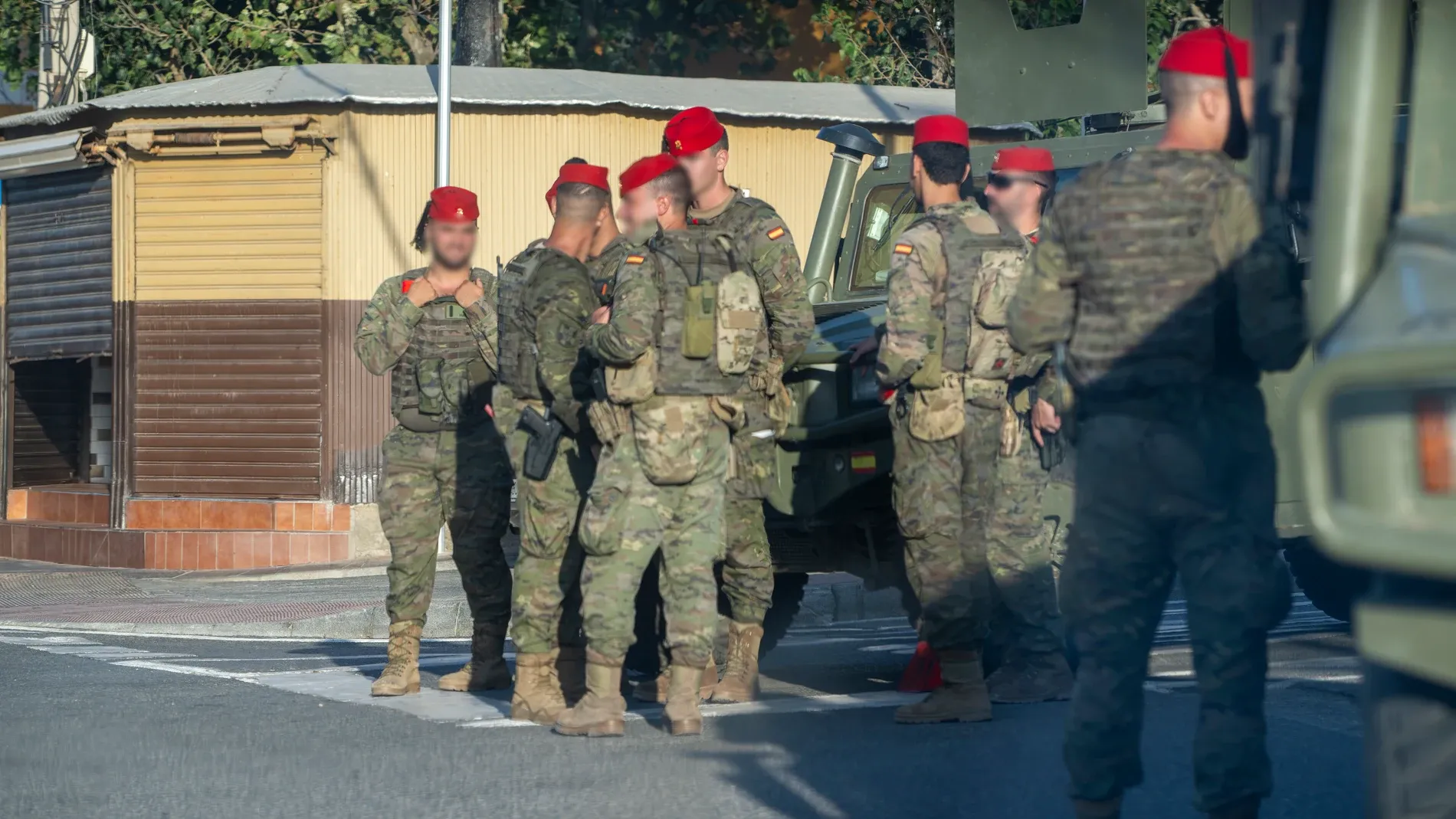
While the vacation planners were preparing for their trip, military personnel were actively engaged in managing the crisis at the border. The massive influx of migrants on July 30 prompted the mobilization of troops from the Ceuta General Command to assist security forces in handling the situation, which had overwhelmed the city's usual response capabilities.
On August 3, the very day the Moroccan trip was scheduled to begin, military personnel were involved in relocating hundreds of migrants found throughout the city to the Tarajal border crossing. The trip's terms specified that participants were required to pay the full amount to the travel agency by June 5, with specific cancellation policies that varied based on the notice period given—ranging from no charge for cancellations made more than fifteen days in advance to a full charge for cancellations made less than four days prior.
Furthermore, the announcement explicitly allowed for alterations to the plans. The Defense Ministry indicated that any trip could face "partial modifications due to unforeseen circumstances" or could even be "completely canceled" due to lack of demand or other reasons. This means that the Army had the formal authority to cancel the trip if the circumstances after March warranted such action. The pressure on troops deployed in Ceuta intensified to the point where the Defense Ministry restricted leave for personnel during August due to social media calls for potential mass entry attempts on the 15th.
This directive necessitated the availability of military forces and limited extraordinary leave to only "exceptional, duly justified cases," while also suspending personal days until further notice. This instruction, signed by the head of the Command, impacted various units stationed in the city, including the Regulars Group, the Logistics Unit, and the Engineers Regiment—indicating that these were not vacations at all.
As reported by larazon.es.