
The Dynamic Flow of Taxis in Casablanca
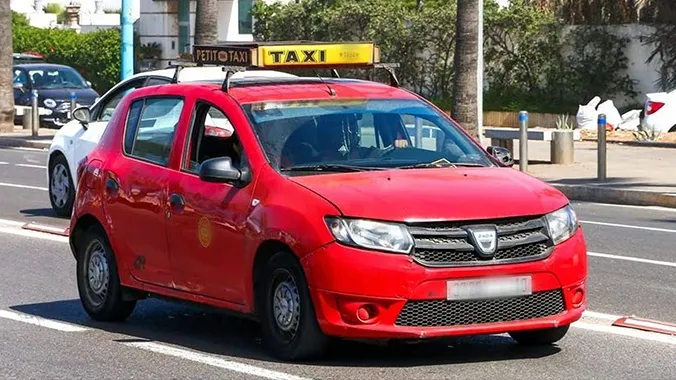
In the bustling metropolis of Casablanca, taxis do not operate randomly; rather, they are strategically positioned near key locations such as train stations, hotels, restaurants, offices, and entertainment venues. This reveals a city shaped by its traffic patterns and commuter habits. The taxi system in this vibrant city appears to adhere to its own unique geography. In certain neighborhoods, hailing a taxi can be accomplished within seconds, while in densely populated areas, passengers may find themselves waiting indefinitely. This apparent imbalance is not coincidental; it is the result of an empirical organization cultivated over the years, influenced by the commuting habits of Casablanca residents, peak hours of traffic, and an ongoing quest for profitability.
From the early morning hours, the vicinity surrounding major train stations buzzes with activity. Travelers arriving from cities such as Rabat, Marrakech, Fès, or Tangier represent a steady clientele, often laden with luggage and eager to reach their homes, hotels, or business appointments swiftly. Taxi drivers are acutely aware that these locations provide a near-constant stream of both short and long rides, thereby minimizing wait times. Hotels serve as another critical anchor point for taxis. Establishments that cater to tourists, business travelers, or visitors in transit generate an ongoing demand for rides to business centers, administrative districts, beaches, or prominent city attractions. Taxis discreetly rotate in front of hotel entrances, with some waiting for passengers while others return shortly for another pickup.
Adapting to the City’s Rhythms
As lunchtime approaches, the city's dynamics shift, with the most popular restaurants attracting a clientele that often opts for taxis to avoid parking difficulties. Drivers have an intimate knowledge of these establishments and adjust their routes accordingly. They recognize that business districts experience a slowdown after lunch, while commercial areas remain lively throughout the afternoon. According to Mustapha El Kihel, Secretary-General of the National Federation of Transport Professionals (FNPT), "the Casablanca taxi system operates according to a form of empirical geography that is not outlined in any regulations but is remarkably well understood by drivers." He notes that while this method of positioning within the city is commonplace, it does not constitute an official organization of taxis. Drivers are naturally inclined to seek out high-demand areas, provided they adhere to the regulations governing their activities and avoid transforming this practice into illegal parking or unauthorized pickups. Complaints typically arise when this quest for passengers leads to ride refusals, problematic clustering, or the improper occupation of certain spots.
As the sun sets, the flow of taxis shifts toward cafes, restaurants, the corniche, shopping centers, and performance venues. Drivers gravitate toward these locations as families, groups of friends, and employees emerge, responding to the demand that now centers around these hotspots rather than business districts. This constant mobility underscores a remarkable adaptability to urban life. At night, the phenomenon becomes even more pronounced: while some roads empty out, movements concentrate around cafes, restaurants, hotels, and leisure spots. Drivers navigate based on the traffic they observe and their years of accumulated experience.
Consequently, their understanding of Casablanca relies less on fixed routes and more on a daily interpretation of commuting habits, peak hours, and neighborhoods where they know they can find passengers. However, this concentration around the busiest areas leaves certain neighborhoods less served. Outside of high-traffic sectors, hailing a taxi can prove challenging, particularly late at night. Drivers cite the need to minimize empty trips, which increase fuel costs and diminish earnings, as the reason for this selective approach. Additionally, special events can significantly influence this dynamic mapping; a concert, a sports match, a trade fair, or a cultural event can instantly alter traffic patterns. Taxis converge toward these venues well before events conclude, ensuring they are present when spectators depart.
As reported by lopinion.ma.