
Understanding Moroccan Migration Governance
The dynamics of migration governance in Morocco are multifaceted, reflecting the country's evolution from a primary source of emigrants to a pivotal transit and destination hub for migrants, particularly from sub-Saharan Africa. This transformation is deeply intertwined with the geopolitical landscape of Euro-African relations, where Morocco's strategic location at the crossroads of Africa and Europe plays a significant role in shaping its migration policies. The National Strategy for Immigration and Asylum (NSIA), introduced in 2013, marks a critical turning point in this narrative, representing Morocco's commitment to addressing the humanitarian aspects of migration while navigating the complex interplay of state sovereignty and security needs. The NSIA is complemented by a series of regularization campaigns aimed at providing legal status and social services to migrants, reflecting a more rights-sensitive approach to migration governance.
Contradictions in Policy and Practice
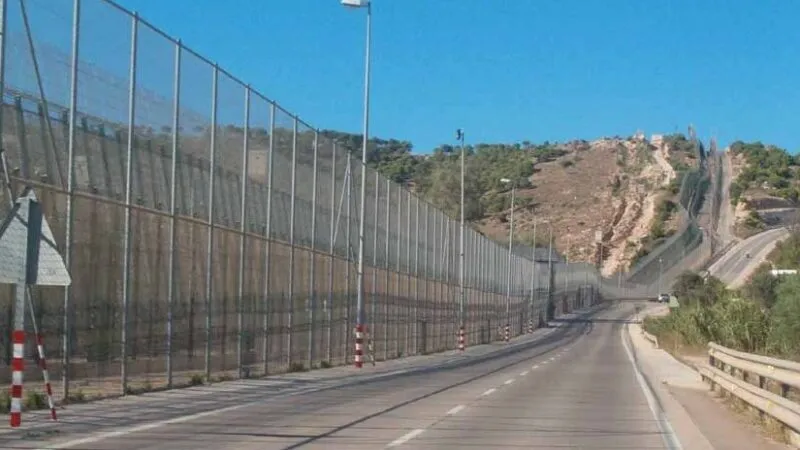
Despite Morocco's advancements in establishing a more humanitarian migration framework, significant contradictions persist, particularly between its security-driven border management and its aspirations to be seen as a humanitarian actor. The country's role as a southern buffer for Europe has led to the implementation of stringent border control measures, often in response to European pressures, which have included the 2003 readmission agreement and subsequent funding mechanisms aimed at enhancing border security. These measures have drawn criticism from human rights organizations, highlighting issues such as racial discrimination against sub-Saharan migrants and the violence that often erupts at border regions like Melilla and Nador. Furthermore, while Morocco has made strides in granting access to education and healthcare for migrants, practical barriers continue to limit the effectiveness of these initiatives, leaving many migrants in precarious situations.
This essay delves into the historical context of Moroccan migration, tracing its journey from an emigration country to its current status as a key player in the migration landscape. It underscores the need for a nuanced understanding of Morocco's migration governance, which, while showing a commitment to human rights, also grapples with the realities of border security and the geopolitical imperatives of its relationships with European partners. The ongoing tensions between these competing priorities reflect the complexities inherent in migration governance, where humanitarian ideals often clash with security imperatives.
As reported by eurasiareview.com.