
Understanding the Dynamics of Low Voter Turnout and Calls for Boycotts
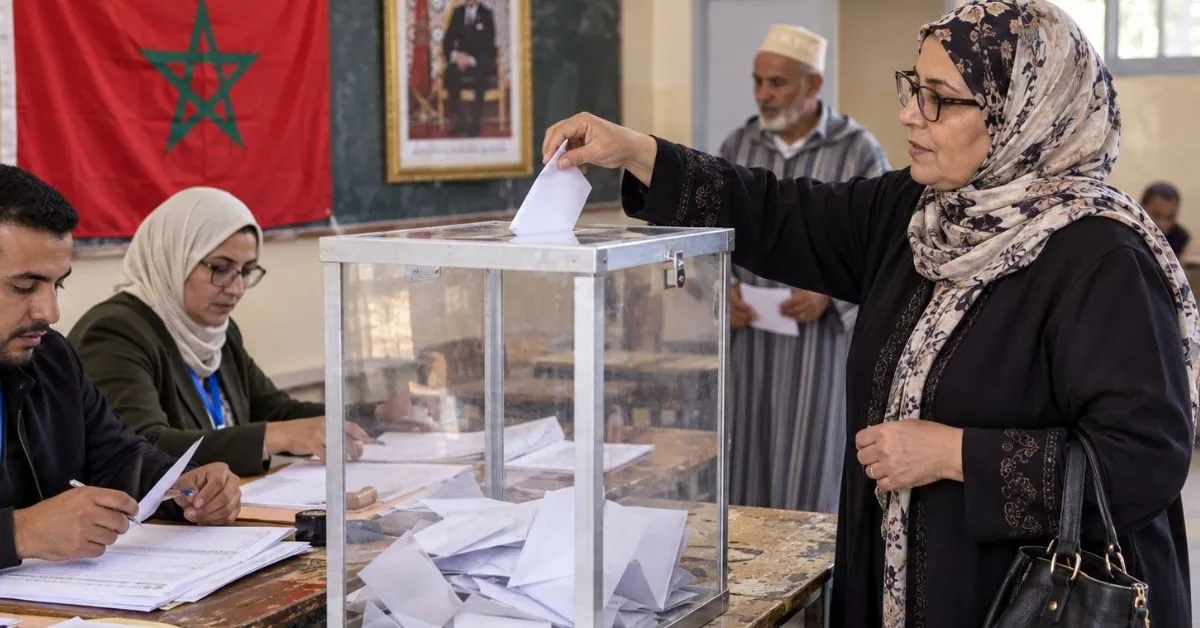
In Morocco, a palpable atmosphere of distrust toward political institutions has led to a concerning decline in voter turnout during elections. This phenomenon is not merely a reflection of individual apathy but is deeply rooted in socioeconomic challenges and widespread skepticism regarding the electoral process's efficacy in instigating meaningful change. Such doubts have been further exacerbated by confrontations among political parties and candidates, culminating in a crisis of confidence in the democratic framework. To address these issues, electoral reforms are being introduced with the aim of enhancing the integrity of the voting process. These reforms include tightening candidacy rules, digitizing electoral procedures, increasing transparency, and regulating digital campaigns. Furthermore, a significant contingent of 1,622 observers is set to monitor elections across the twelve regions of Morocco to ensure fair practices.
As the elections approached on September 23, the political landscape was charged with intensified calls for a boycott. The Justice and Charity Group, a prominent political entity, declared its intention to abstain from participation on September 9, encouraging citizens to refrain from voting. Their rationale is rooted in the belief that the existing electoral framework does not fulfill the essential prerequisites for ensuring free and fair competition. For the group's activists, this boycott represents a political act of protest rather than a withdrawal from civic engagement, aimed at advocating for what they term a 'new political horizon' that genuinely reflects the will of the populace. They argue that the elections have historically failed to facilitate a transition toward democracy, freedom, and justice, citing several critical factors that contribute to the escalating rate of abstention.
Political Discontent and the Broader Implications of Abstention
The activists highlight the inherent weaknesses of elected institutions, which they contend lack actual political decision-making power, largely due to the absence of a genuine rotation of power. They also point to the systematic restriction of freedoms and the persecution of opposition figures as significant barriers to democratic progress. The Democratic Workers’ Party has joined the Justice and Charity Group in advocating for a boycott, emphasizing the lack of minimum conditions necessary for a democratic electoral process. They express concerns regarding the Ministry of the Interior's overwhelming control over electoral district delineation and party registration, which they believe stifles political competition and marginalizes opposition voices. Moreover, they draw attention to the deteriorating public services and economic conditions that perpetuate social inequalities, reinforcing the notion that the political arena is increasingly inaccessible to dissenting voices.
This organized boycott is poised to transform abstention from a mere individual choice into a potent political statement, potentially uniting supporters from both organizations alongside those who possess an inherent distrust of political parties and institutions. The shift in public sentiment surrounding abstention is noteworthy; it is evolving from a passive resignation—characterized by the belief that 'voting is pointless'—to a more assertive stance that 'not voting is a political statement.'
The ramifications of this boycott on voter participation cannot be overlooked. An undecided citizen might find a political rationale in the call for abstention, further complicating the electoral landscape. This challenge is especially pronounced among the youth demographic, which has seen a dramatic decline in voter registration. Data shows that the proportion of voters aged 18 to 24 has plummeted from 8% to 4%, while those aged 25 to 44 have decreased from 19% to 15% between the last two electoral cycles, as reported by the Moroccan national press. Overall, the general voter registration has also diminished from 17,127,000 in 2021 to 15,801,162 in 2026, indicating a troubling trend in electoral engagement.
Looking ahead to the upcoming elections on September 23, 2026, the representation of women remains critically low despite their significant presence within the electorate. There is an urgent need to enhance their access to elected positions and to revise the selection criteria for female candidates to ensure that qualified women have greater opportunities to participate in governance. The Al-Zahraa Forum of Moroccan Women has drawn attention to the insufficient representation of women, particularly young women, in official political platforms, campaign speeches, and public events. They advocate for creating a safe, equitable electoral environment that is free from violence and intimidation, where political discourse and proposals can take center stage. It is imperative to preserve the integrity of the electoral process and to promote increased participation and representation of women in decision-making roles.
In conjunction with the emphasis on women's participation, the involvement of Moroccans living abroad has also emerged as a significant topic of discussion. Many expatriates have expressed interest in running for office under various political party banners, thereby reinforcing their stake in the electoral process. While Moroccans abroad can submit candidacies, there remains a pressing need to facilitate their direct engagement from their countries of residence, such as establishing polling stations at embassies and consulates. Furthermore, the discourse surrounding the 2026 elections must also prioritize finding mechanisms that ensure more direct representation of the Moroccan diaspora in the Parliament. Since the 2011 Constitution, the issue of parliamentary representation for Moroccans living abroad has been a recurrent theme, and as the 2026 elections approach, the need for comprehensive strategies to enhance their electoral participation and institutional representation has never been more critical.
As reported by atalayar.com.