
Understanding the Geopolitical Dynamics of Spain, Morocco, and Algeria
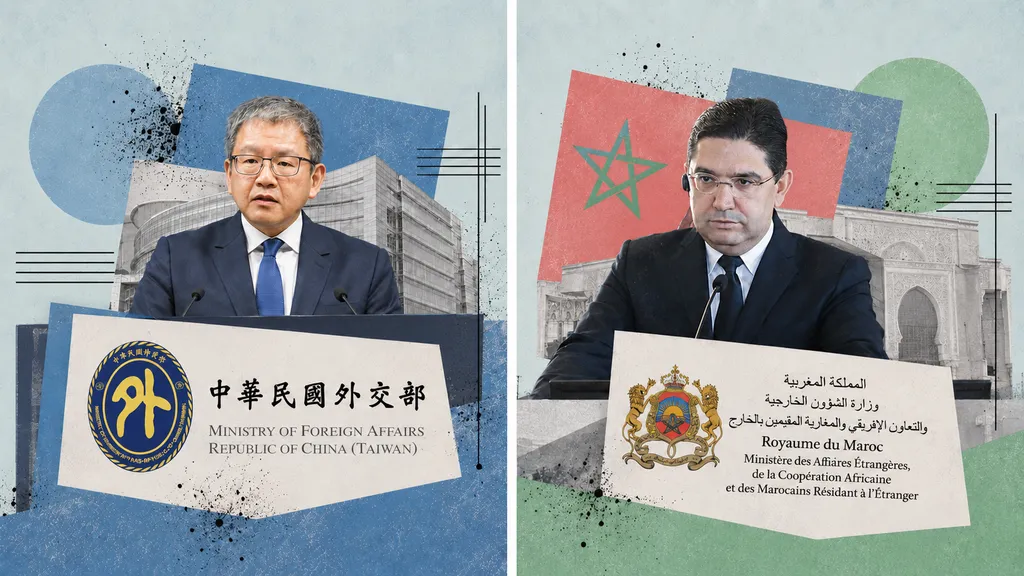
According to analyst Samira Bensouda Hadj Djilani, the recent silence from Morocco, coupled with France's support for Madrid and the postponement of President Tebboune's visit, provides a broader perspective on Spain's relationships with its two Maghreb neighbors. It is essential to recognize that royal visits are not merely formalities and that postponements of diplomatic summits signify deeper implications beyond mere scheduling changes.
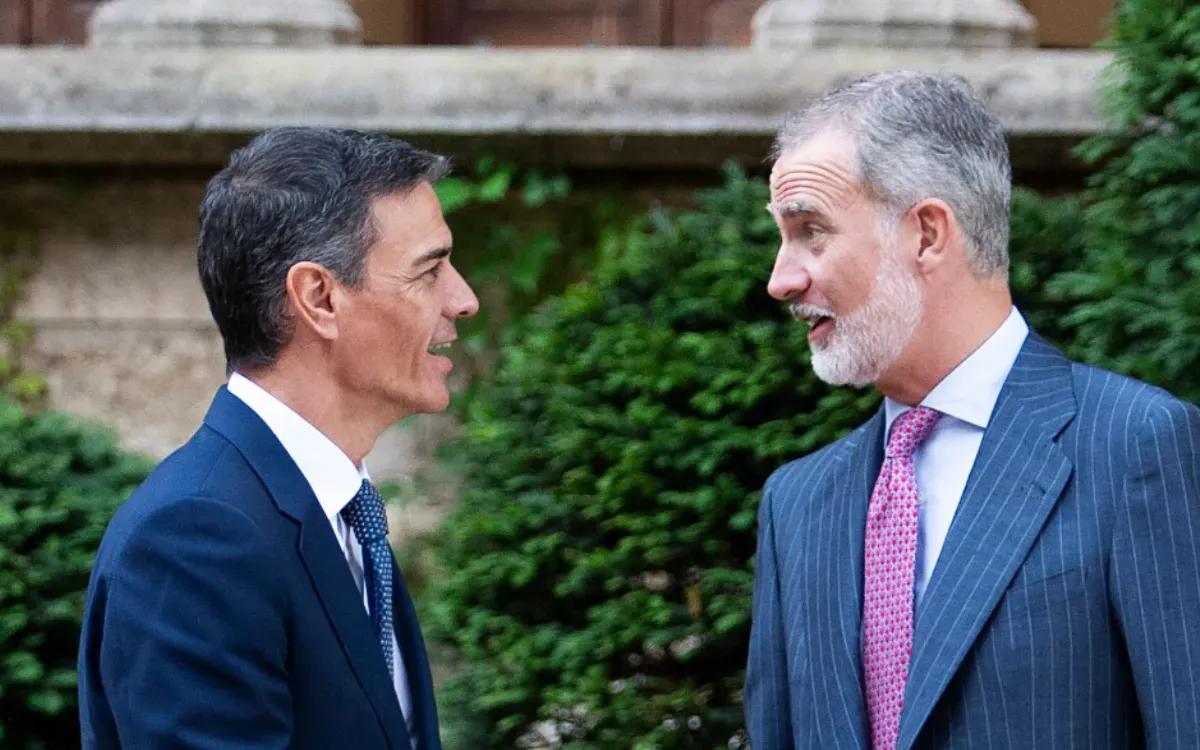
In the context of Ceuta and Melilla, the upcoming visit of King Felipe VI and Queen Letizia is steeped in sovereignty issues, especially following an unprecedented border crisis. This comes on the heels of France publicly expressing solidarity with Spain, and shortly thereafter, the rescheduling of the Spain-Algeria summit, which has yet to be assigned a new date. These events hint at a significant shift that transcends the immediate circumstances of the royal visit.
The central question emerging from this scenario is whether Spain, potentially with French assistance and in coordination with Rabat, is realigning its relationship with Algeria. Should this be the case, will Algeria agree to be merely a tool for Madrid to recalibrate its ties with Morocco? This concern is arguably more critical than how Rabat will respond to these developments.
Morocco's Silence: A Tactic or Acceptance?
Since the announcement of the royal visit to Ceuta and Melilla, Morocco has maintained an official silence. This is particularly noteworthy given that King Juan Carlos's visit in 2007 resulted in a diplomatic crisis with Morocco, including the recall of Morocco's ambassador to Madrid. Currently, no similar official response has been recorded. However, this silence does not imply that Morocco has relinquished its claims over Ceuta and Melilla, which it still views as territories under dispute, in contrast to Madrid's assertion of their status as integral parts of Spain. The lack of an official protest may be interpreted as a tactical decision in managing the dispute rather than a fundamental change in Morocco's stance.
According to El País, while Morocco has officially remained silent about the visit, Spanish diplomatic sources claim that King Mohammed VI has tacitly approved it. However, this information remains unverified by Moroccan authorities. The current atmosphere may reflect a policy of appeasement in the relations between Madrid and Rabat. If this 'approval' is confirmed, it should not be interpreted as Morocco recognizing Spain's sovereignty over the two cities, but rather as a political strategy to allow the visit to proceed without escalating into a new bilateral crisis.
The change in Morocco's response might stem from a transformed context. In 2007, tensions between Morocco and Spain were more pronounced, lacking the network of mutual interests that now ties the two nations together regarding immigration, security, trade, investment, and particularly the Western Sahara issue. Today, both Madrid and Rabat are interlinked by numerous interests, making any escalation costly for both parties. Thus, Morocco's calculations might have shifted, recognizing that the Spanish king's visit is a reality that cannot be undone. Instead of provoking a new crisis, Morocco may find it more politically prudent to manage the situation without letting it spiral out of control.
This approach is further complicated by Algeria's potential role. A significant deterioration in Morocco-Spain relations could inadvertently provide Algeria with a political and diplomatic opening that it has lacked in recent years. In essence, as the Moroccan-Spanish dispute intensifies, the Algerian option becomes increasingly relevant for Madrid. This dynamic may explain why Morocco is keen to prevent the Ceuta and Melilla incident from escalating into a broader confrontation.
Algeria is not merely a passive player waiting to see how Madrid and Rabat interact. It has its own interests and strategies. The shift in Algeria's position in Spanish politics, particularly following the crisis that ensued after Pedro Sánchez's government changed its stance on Western Sahara, highlights this. A reconciliation process began in July 2026, with a high-level meeting between Sánchez and President Abdelmadjid Tebboune scheduled for October. However, this meeting was unexpectedly postponed, which came as a surprise to Algerian authorities who had already begun preparations.
The question arises: Is Spain asking Algeria to wait? Trying to simultaneously appease Morocco while rebuilding its partnership with Algeria presents a complex dilemma for Madrid. Morocco expects Spain to be sensitive to its concerns about territorial and Western Sahara issues, while Algeria does not want its relationship with Spain to be manipulated as a leverage tool against Morocco. The postponement of the summit could inadvertently cause more significant issues than it was intended to resolve, leading Algeria to perceive Spain as prioritizing its relations with Morocco over its ties with Algiers.
Ultimately, Spain's desire to maintain favorable relations with both Morocco and Algeria—a reasonable pursuit given its interests—must contend with Algeria's refusal to be treated merely as a pawn in this diplomatic equation. Algeria possesses various levers, including energy, security, and its relationships with Southern European countries, which it will not hesitate to utilize to assert its autonomy in a geopolitically complex landscape.
As a further complication, French President Emmanuel Macron's involvement cannot be overlooked. During his recent visit to Spain, Macron expressed solidarity with Madrid concerning the crisis in Ceuta, indicating France's vested interest in the stability of its relationships with both Morocco and Algeria. This raises the intriguing possibility that Paris might play a role in managing the balance between Madrid and Rabat, especially regarding the implications of the royal visit.
In conclusion, the interplay between these actors—Morocco, Algeria, and France—creates a delicate balance for Spain. The royal visit is not merely a visit, and the postponement of the summit with Algeria is not just a scheduling issue. Madrid's handling of these relationships will ultimately determine whether it can successfully navigate the competing interests of Morocco and Algeria while maintaining its sovereignty over Ceuta and Melilla.
As reported by dzair-tube.dz.