
Overview of Recent Developments in Western Sahara
In the upcoming month of October, members of the United Nations Security Council are anticipated to engage in consultations regarding the Secretary-General’s annual report on the ongoing situation in Western Sahara. This crucial briefing will be led by Special Representative Alexander Ivanko, who oversees the UN Mission for the Referendum in Western Sahara (MINURSO), alongside Staffan de Mistura, the Personal Envoy of the Secretary-General for the region. A significant agenda item for the Council will be the vote on a resolution aimed at renewing the mandate of MINURSO, which is set to expire on October 31, 2026.
Reflecting on the recent past, Resolution 2797, adopted on October 31, 2025, extended MINURSO’s mandate for an additional year and emphasized the Council’s unwavering support for the Secretary-General and his envoy in their efforts to facilitate negotiations. The resolution particularly highlighted Morocco’s autonomy proposal as a foundational basis for achieving a fair and enduring resolution to the territorial dispute. Morocco's plan, initially submitted to the UN in 2007, seeks to integrate Western Sahara into Morocco while allowing the Sahrawi people to manage their internal affairs with external representation from Morocco. The resolution also encouraged direct discussions between the involved parties without preconditions, aimed at reaching a political solution that acknowledges the self-determination rights of the Sahrawi people while recognizing that genuine autonomy could be a realistic outcome.
Challenges and Ongoing Negotiations
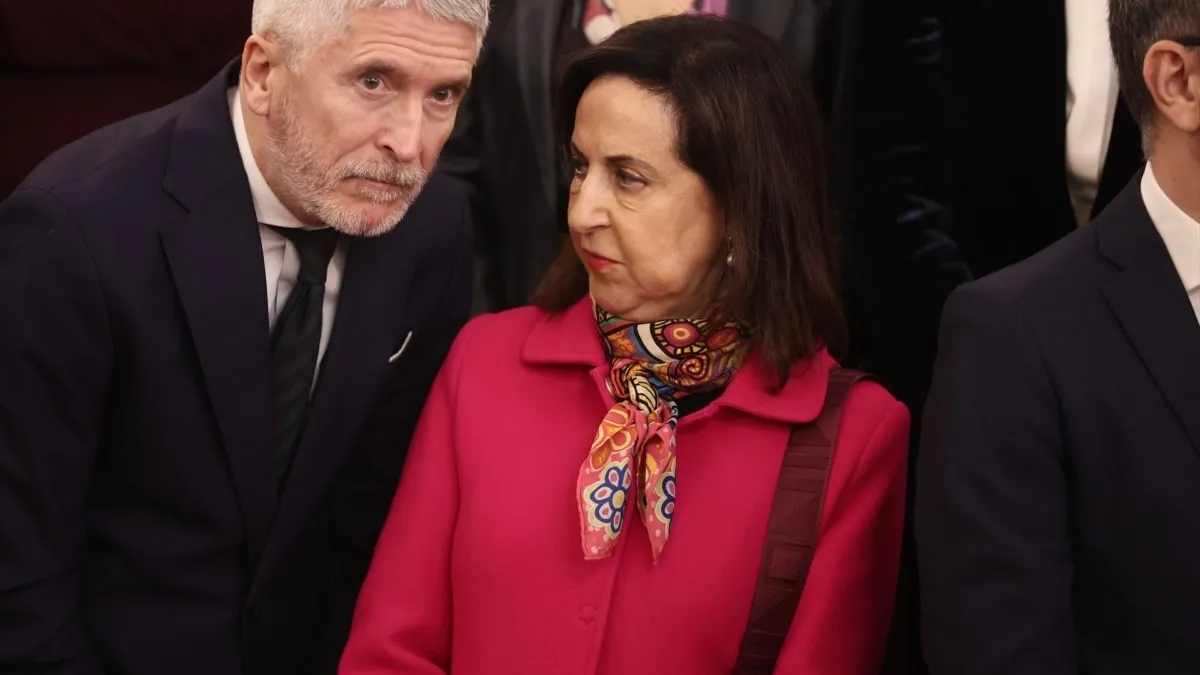
In February 2026, the United States took significant steps by convening high-level ministerial talks in Madrid, involving Algeria, Mauritania, Morocco, and the Polisario Front. This marked the first in-person meeting of all four stakeholders since 2019, with participation from US officials and de Mistura himself. However, despite these diplomatic efforts, the parties have yet to make tangible progress in reconciling their differences. Morocco maintains that any agreement should be predicated on autonomy under its sovereignty, while the Polisario Front firmly insists on the necessity of ensuring self-determination for the Sahrawi people.
The strategic review requested by Resolution 2797 is pivotal, as it will assess MINURSO’s future mandate based on the outcomes of the negotiations. During closed consultations on April 23, 2026, Asif Khan, Director of the Policy and Mediation Division at the UN, provided a briefing that suggested potential future options for MINURSO's operations, including monitoring ceasefire agreements, facilitating refugee returns, and supporting disarmament processes. Nevertheless, the political landscape remains fraught with tension, exemplified by hostilities that have continued between Moroccan forces and the Polisario Front.
Recent events have further escalated tensions, with incidents such as a rocket strike near Smara in May, attributed to the Polisario Front, and a Moroccan drone strike in June that resulted in the deaths of prominent Polisario members. Such developments have drawn widespread condemnation from various nations and regional organizations, underscoring the fragility of the situation. De Mistura’s ongoing diplomatic initiatives, including meetings with key Sahrawi leaders and regional stakeholders, aim to revitalize the political process and foster dialogue among the involved parties.
As the Council approaches the renewal of MINURSO’s mandate, several options are on the table. One possibility is to extend the current mandate for an additional year without alterations, thereby allowing further time for political engagement. Alternatively, a shorter renewal period could be considered, creating an opportunity for an earlier reassessment of the negotiations and MINURSO’s role. The overarching challenge remains finding a sustainable resolution to the protracted dispute over Western Sahara's status while navigating the complex and often conflicting interests of various stakeholders. Amidst this backdrop, MINURSO’s operational capabilities are constrained, and the persistent low-intensity hostilities continue to pose risks for further escalation.
As reported by securitycouncilreport.org.