
The Situation of Migrant Minors in Ceuta
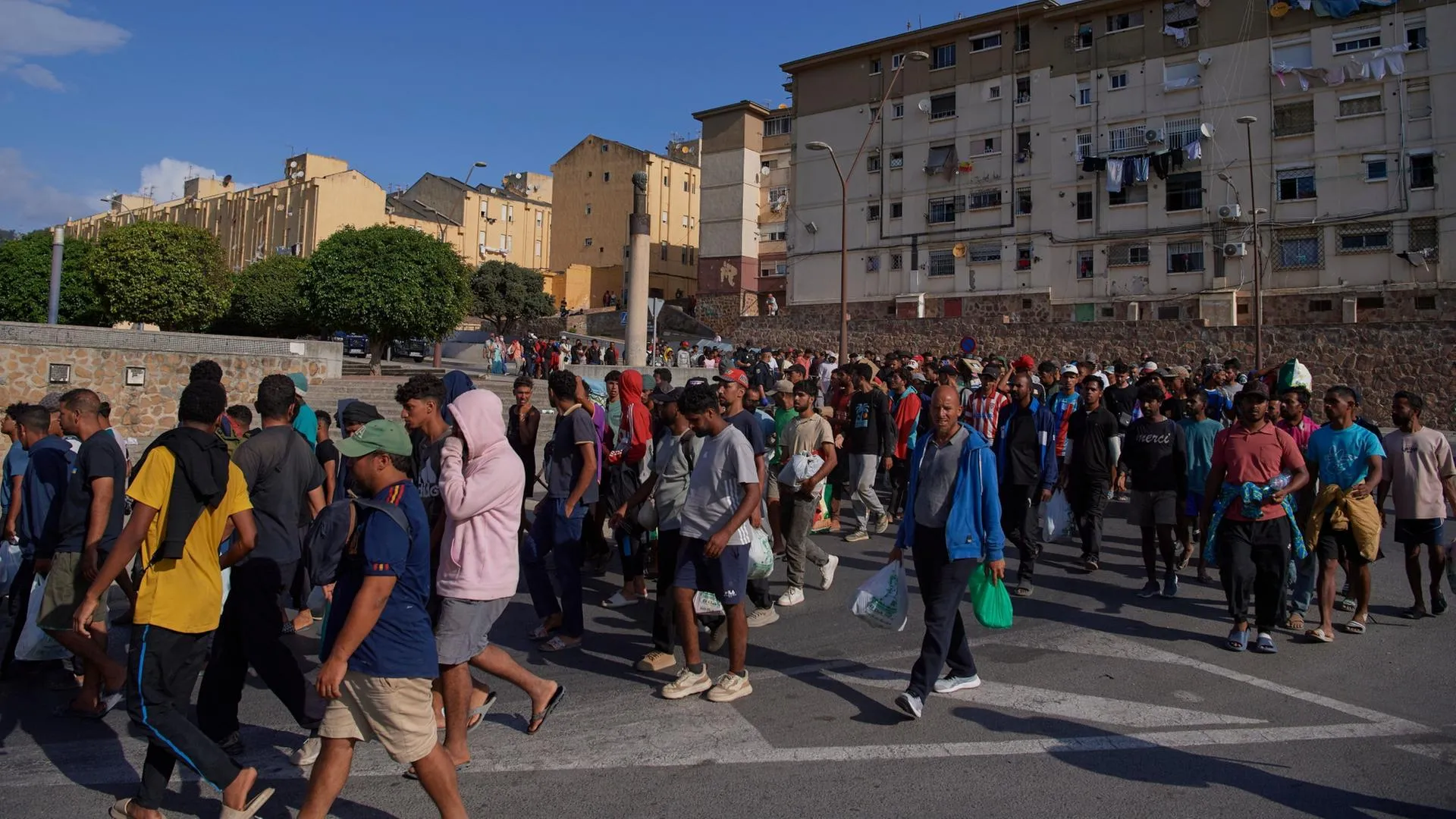
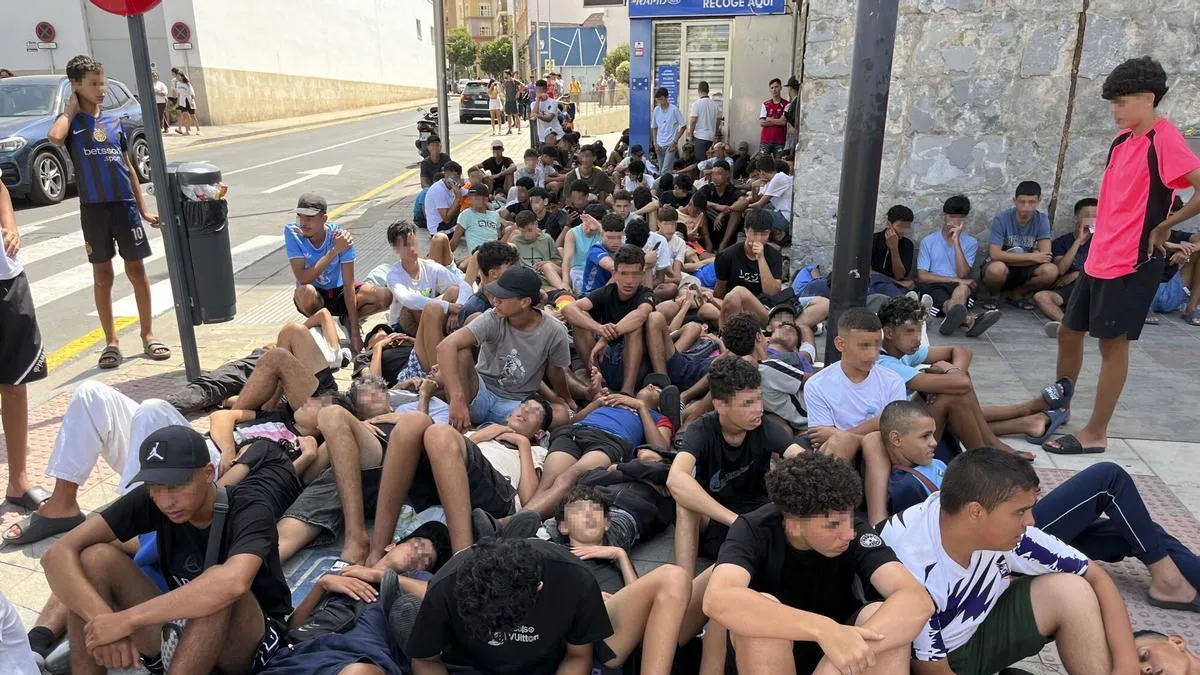
On August 10, a significant number of migrant minors were seen awaiting registration outside the National Police Headquarters in Ceuta. The Spanish government currently oversees approximately 2,500 children who entered Spanish territory at the end of July. Officials have indicated that the actual number could be higher, as many continue to roam the city without proper documentation. This raises critical questions about the future of these children. Notably, the leader of the Popular Party (PP), Alberto Núñez Feijóo, emphasized his stance during a visit to the autonomous city, advocating for the return of all these children to Morocco. However, this proposal has been met with resistance from the government, which views such actions as a blatant illegality.
Legal Framework Governing the Return of Minors
Recently, the European Union's Interior spokesman, Markus Lammert, fueled the controversy by asserting that the expectation is for all those illegally residing in Ceuta to be returned. Nevertheless, he clarified that the protection of minors must be ensured during this process. How does the law address this issue? The Spanish Foreigners Act explicitly states that unaccompanied foreign minors cannot be subject to automatic returns. Article 35 outlines a specific repatriation procedure that must prioritize the "best interests of the child." Before any decisions are made, authorities must gather information regarding the child's family situation and assess whether returning them to their home country, reuniting them with relatives, or allowing them to remain in Spain is the most appropriate course of action.
Thus, any return can only take place if adequate protection guarantees are in place in the destination country, either through family reunification or through competent protection services. The law mandates an individualized assessment of each case, prohibiting collective or indiscriminate returns of minors. In 2021, during a previous migration crisis in Ceuta, mass returns of minors to Morocco occurred, despite the prohibitions set forth in the Foreigners Act. It is estimated that about 1,500 minors entered the city and were immediately repatriated based on a 2007 agreement between Spain and Morocco. However, three years later, in 2024, the Supreme Court ruled that these returns were illegal.
The Supreme Court denounced the "absolute disregard" for the protections outlined in the Foreigners Act, asserting that the bilateral agreement with Morocco is insufficient on its own to justify the return of minors. It emphasized the necessity of processing each child's case individually to understand their circumstances, hear the child's voice when they are mature enough, involve the Public Prosecutor's Office, and consider the child's best interests. Furthermore, the Court highlighted that collective expulsions are prohibited by Article 4 of Protocol No. 4 of the European Convention on Human Rights.
As of March 2025, the European Union is in the process of implementing a new Return Regulation proposed by the European Commission. The European Parliament approved its position in a first reading on June 17, following a provisional agreement reached with the Council; however, formal adoption by the Council of the European Union is still pending. Until then, the 2008 Return Directive remains in effect, which establishes a series of common rules for the return of migrants to third countries. Article 5 requires states to duly consider the "best interests of the child," along with "family life" and "health status." Furthermore, Article 10 stipulates that before issuing a return decision against an unaccompanied minor, they must receive assistance from relevant services, separate from the authorities responsible for executing the return, and that before any expulsion, authorities must ensure that the minor will be handed over to a family member, a designated guardian, or appropriate reception services in the return country.
On June 17, the European Parliament endorsed the future Return Regulation, which is significantly tougher and allows for the transfer of migrants to return centers in third countries. However, it maintains the conditions of current regulations and reiterates in Article 19 that "the best interests of the child shall be a primary consideration." The subsequent provision also emphasizes that authorities must provide assistance and appoint a representative to safeguard the child's best interests, ensuring that the minor is heard and represented appropriately. Ultimately, the legislation at both the Spanish and European levels prohibits the mass or collective return of migrant minors to their countries of origin but does not exclude the possibility of individualized returns that respect the child's best interests and guarantee safe transfer to family members, guardians, or adequate protection systems. These assurances were previously deemed violated by the Supreme Court during the Ceuta returns in 2021 and now delineate the legal boundaries for any government actions.
As reported by elperiodico.com.