
Advancements in the Moroccan Sahara Negotiation Process
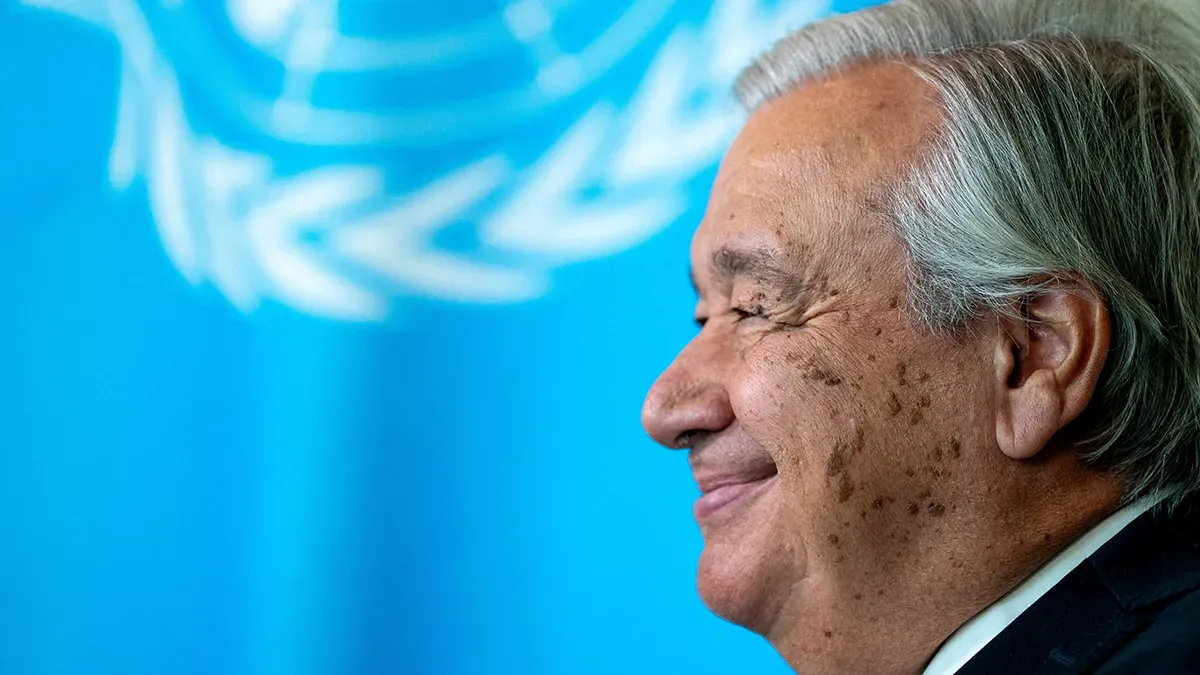
Recent negotiations concerning the Moroccan Sahara have entered a significant new phase, as detailed in a comprehensive report by the UN Secretary-General, António Guterres. This report outlines the political landscape and the ongoing negotiation efforts throughout 2026, particularly under the leadership of Staffan de Mistura, the Secretary-General’s Personal Envoy. The talks have involved key stakeholders including Morocco, the Polisario Front, Algeria, and Mauritania, aiming to resolve this long-standing conflict.
According to the report, dated October 1, 2026, De Mistura, with robust support from the United States, successfully reinitiated direct communications between the involved parties after a prolonged hiatus of almost seven years. High-level meetings were conducted in Washington and Madrid during January and February, marking crucial steps towards dialogue.
In the meetings held in Washington on January 18 and 19, Morocco unveiled an expanded version of the autonomy proposal it initially put forth in 2007. This proposal was accompanied by responses to various inquiries, which reaffirmed Morocco's readiness to collaborate with the Polisario Front to achieve a mutually acceptable political resolution. Conversely, the Polisario Front introduced its perspectives, grounded in a document presented to the Secretary-General in October 2025.
Framework for Future Negotiations and Regional Cooperation
The discussions transitioned in Madrid on February 8 and 9, focusing on more intricate provisions, including the establishment of a “Transition Council.” This council is envisioned to oversee the transitional processes and to create a framework for negotiating a just, enduring, and mutually acceptable political solution. Key aspects of the negotiations included international guarantees, resource distribution, forgiveness and reconciliation measures, disarmament and demobilization strategies, as well as security arrangements and electoral systems.
Mauritania proposed the creation of a consensus commission aimed at delineating the definitive and permanent international borders of the conflict zone. In tandem, teams from the United Nations and the United States have been drafting a preliminary framework agreement intended to serve as the foundation for a potential transition phase, which would incorporate proposals to reconcile the differing positions of the parties involved.
During the third round of discussions held in Washington on February 23 and 24, the dialogue further explored the concept of the Transitional Council alongside other critical components of the proposed framework. Notably, this round marked the first direct conversations regarding sovereignty and self-determination issues, revealing considerable differences between the parties. Consequently, the co-chairs resorted to separate consultations with each party to navigate these complexities.
Throughout this ongoing process, De Mistura reiterated that any formula for self-governance must adhere to the highest international standards and stressed the importance of including meaningful consultations with the Sahrawi people in alignment with the principle of self-determination.
Continuing his efforts, the UN envoy engaged with the involved parties across March, April, and June, meeting with representatives from the Polisario Front in Brussels, as well as Algerian and Moroccan officials. He also visited Tindouf and conferred with Mauritanian President Mohamed Ould Ghazouani, all while working with the United States to pinpoint areas of convergence and to draft a revised framework agreement concerning the transition phase.
The report suggests that adopting this framework could facilitate discussions on a more detailed model of autonomy and promote meaningful consultations with the affected populations. Despite the backdrop of low-intensity tensions manifesting as sporadic shooting incidents and drone strikes, these developments have not hindered the political process, which has resumed this year.
Moreover, the report indicates a shift in international stances regarding the Moroccan Sahara issue. Notably, Sweden and Switzerland have expressed their support for the Moroccan autonomy initiative as a credible foundation for negotiations. In contrast, Mali and Honduras have suspended their recognition of the Sahrawi Republic, with Bolivia also halting diplomatic relations in February. Countries such as Madagascar, Canada, and Japan have reaffirmed their support for the Moroccan autonomy initiative.
In January 2026, the European Union revised its collective position, acknowledging the Moroccan autonomy proposal as a basis for negotiations, a point highlighted in Guterres' report. In conclusion, Guterres urged all parties to capitalize on this opportunity to recommence negotiations and to engage in good faith, asserting that a genuine autonomy-based solution could represent “the most viable outcome.” He emphasized the critical need for any political agreement to include substantial consultations with the Sahrawi people.
As reported by atalayar.com.