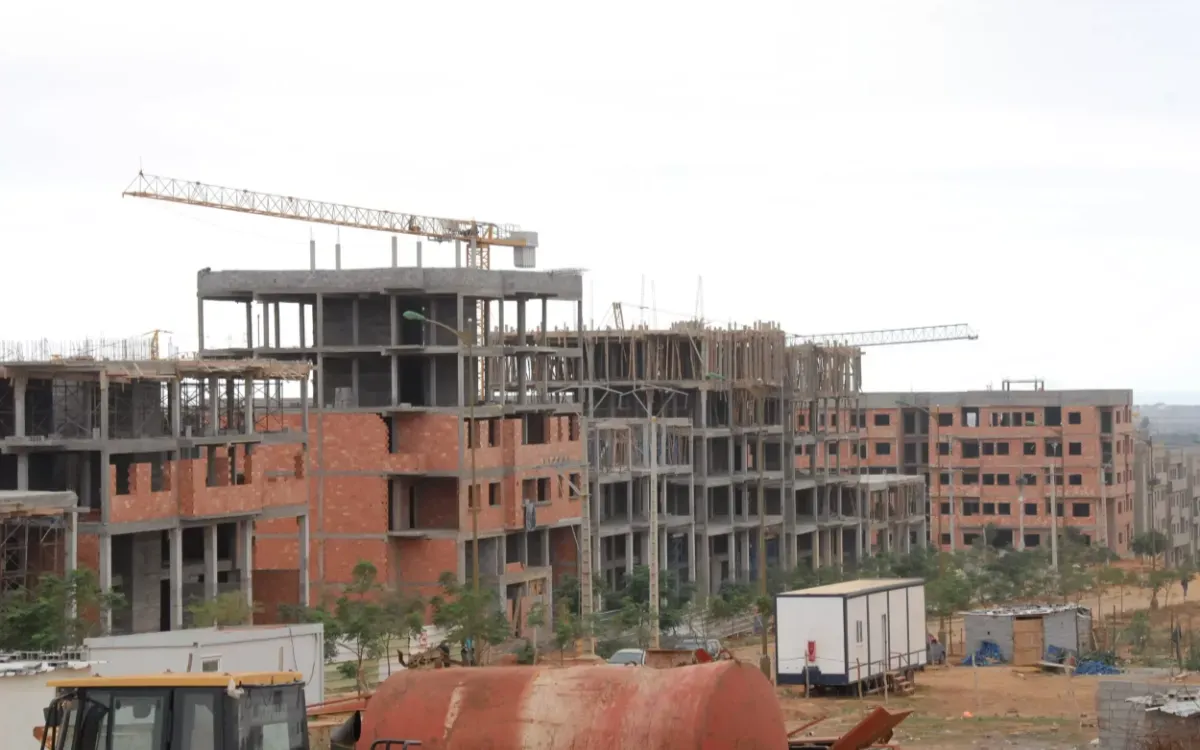

The recent amendment to law 34.21, which modifies law 25.90 concerning subdivisions, housing groups, and land divisions, marks a significant shift in the Moroccan real estate landscape. Officially promulgated by Dahir No. 1.26.61 on July 28, 2026, this legislation was published in the _Bulletin officiel n°7533 on August 10, 2026_. This new legal framework introduces a regime that allows for the gradual implementation of essential infrastructure works within certain subdivisions, ensuring a more flexible approach to housing development in Morocco.
However, it's important to note that this provision is not applicable to all real estate projects. The amendment specifically targets initiatives that address urgent situations such as the resettlement of victims from natural disasters, combating inadequate housing conditions, or projects that serve a public utility purpose. These developments must be executed by the state, local municipalities, or their associations, as well as specific public institutions or agencies.
Under this new framework, beneficiaries can secure building permits without needing to wait for the complete infrastructure works of the subdivision to be finalized. Nonetheless, this does not exempt the project owner from the obligation to complete the necessary infrastructure as outlined in the legislation.
Mandatory Infrastructure Requirements
The legislation stipulates that the project must include essential internal roadways, potable water networks, electricity supply, and sanitation systems, along with the connections to main networks where applicable. Furthermore, the law mandates adherence to minimum health, safety, security, and decent housing standards, ensuring that all developments meet essential living conditions.
It is crucial that the progressive implementation of infrastructure be planned from the outset. The project documentation must clearly outline the public works and equipment to be carried out, their timelines, the sources of funding, and mechanisms for ensuring their completion and oversight. This approach allows for the simultaneous advancement of housing construction alongside the necessary infrastructure developments, particularly in public operations where the urgency of resettling individuals complicates the wait for total completion of the subdivision.
Once the construction works are completed, the infrastructure will still be subject to the procedures established by law for both provisional and definitive acceptance. Therefore, the expedited issuance of building permits does not eliminate the requirement to finish the infrastructure nor the oversight by the relevant authorities.
As reported by bladi.net.