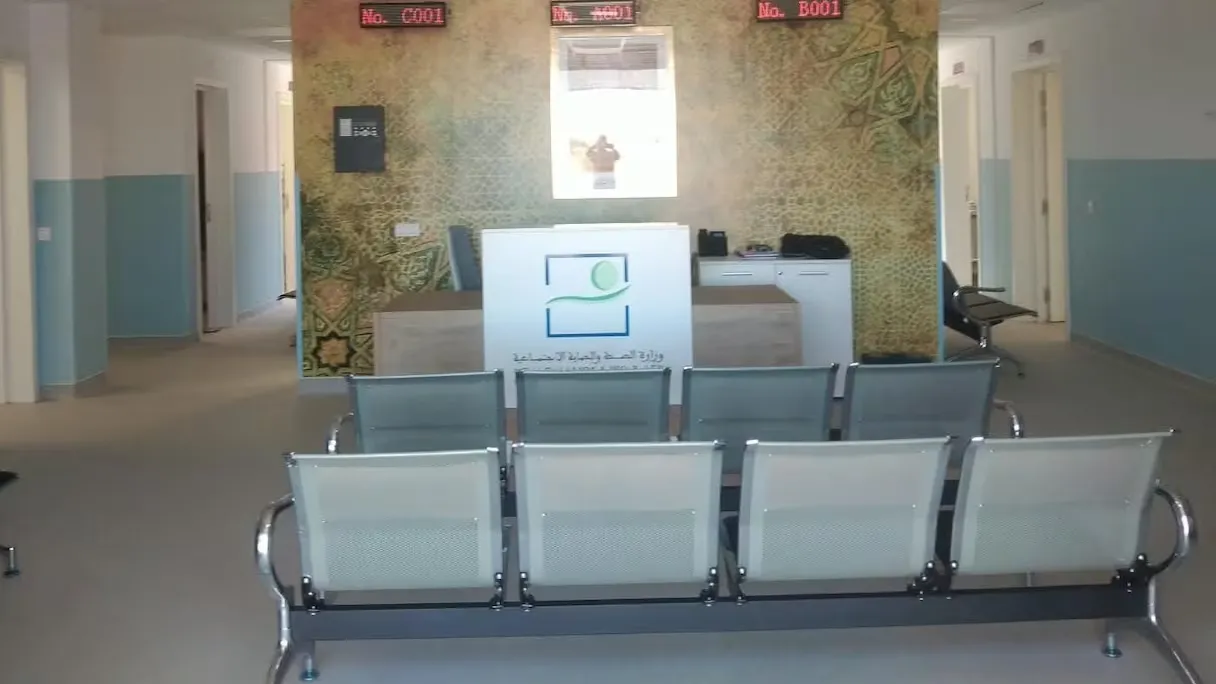

On Tuesday, September 8, 2026, fifteen new primary healthcare institutions commenced operations across six regions in Morocco, following the completion of their renovation and equipping. This initiative is part of the efforts by the Ministry of Health and Social Protection aimed at expanding healthcare offerings and bringing medical services closer to the citizens.
The ministry stated in a press release that this operation aligns with the royal directives concerning the reform and rehabilitation of the national healthcare system, and continues the implementation of the national program to upgrade 1,600 primary healthcare institutions, which includes 500 facilities scheduled for the year 2026.
The newly operational facilities are distributed across the regions of Beni Mellal-Khenifra, Marrakech-Safi, the East, Casablanca-Settat, Tangier-Tetouan-Al Hoceima, and Guelmim-Oued Noun. The objective of this expansion is to enhance access to basic healthcare and support the project of universal social protection.
Beni Mellal-Khenifra and Marrakech-Safi Lead in Beneficiaries
The Beni Mellal-Khenifra region benefited from four new primary healthcare facilities, which are located in the Azilal and Khenifra provinces. This includes three health centers in Azilal Province: Kimi, Bouharzane, and Aït Ouarir, along with the Sidi Bouabid health center in Khenifra Province.
In the Marrakech-Safi region, five facilities were launched in the Chichawa Province, including the second-level urban health center in Amini Tanout, the second-level rural health center in Idouiran, and the first-level rural health center in Mazouda, as well as two rural dispensaries in Bouzouka and Al-Adailat.
The East region's healthcare offering has been strengthened with three institutions: the first-level rural health center in Ouled Saleh and the rural dispensary in Souihla in the Jeresif Province, alongside the first-level urban health center, Al-Quds, in the Berkane Province.
In the Casablanca-Settat region, the first-level urban health center in Dar Bouazza, located in the Nouaceur Province, has begun operations, while the Tangier-Tetouan-Al Hoceima region has benefited from the second-level rural health center in Beni Jamal Mxsolin in the Al Hoceima Province.
Additionally, the Guelmim-Oued Noun region has inaugurated a center for diagnosing tuberculosis and respiratory diseases in the Guelmim Province, aimed at supporting early detection of tuberculosis, diagnosing cases, ensuring patient care, and monitoring their treatment, as well as enhancing diagnostic capabilities and continuity of care.
Healthcare Services for Over 375,000 Residents
These institutions are expected to significantly improve healthcare access for more than 375,677 residents, while also meeting the increasing demand for medical services and enhancing the welcoming conditions for citizens seeking guidance.
As part of equipping the new facilities, the Ministry of Health and Social Protection has provided vital medical equipment and mobilized 50 healthcare professionals to offer various medical and nursing services.
The services provided encompass general medical examinations, nursing care, and the management of chronic diseases, particularly diabetes, hypertension, and respiratory illnesses, along with maternal and child health services and school health programs.
Furthermore, these services include health education, epidemiological vigilance, and mobile health services, which bolster the role of primary healthcare institutions in delivering accessible services and improving treatment accessibility.
The launch of these facilities coincides with the ongoing effort to expand the primary healthcare network and upgrade its infrastructure and equipment, thereby supporting the reform of the national healthcare system and enhancing its capacity to meet citizens' needs.
As reported by ar.industries.ma.