
Escalating Tensions Surround 'Axe Mountain'
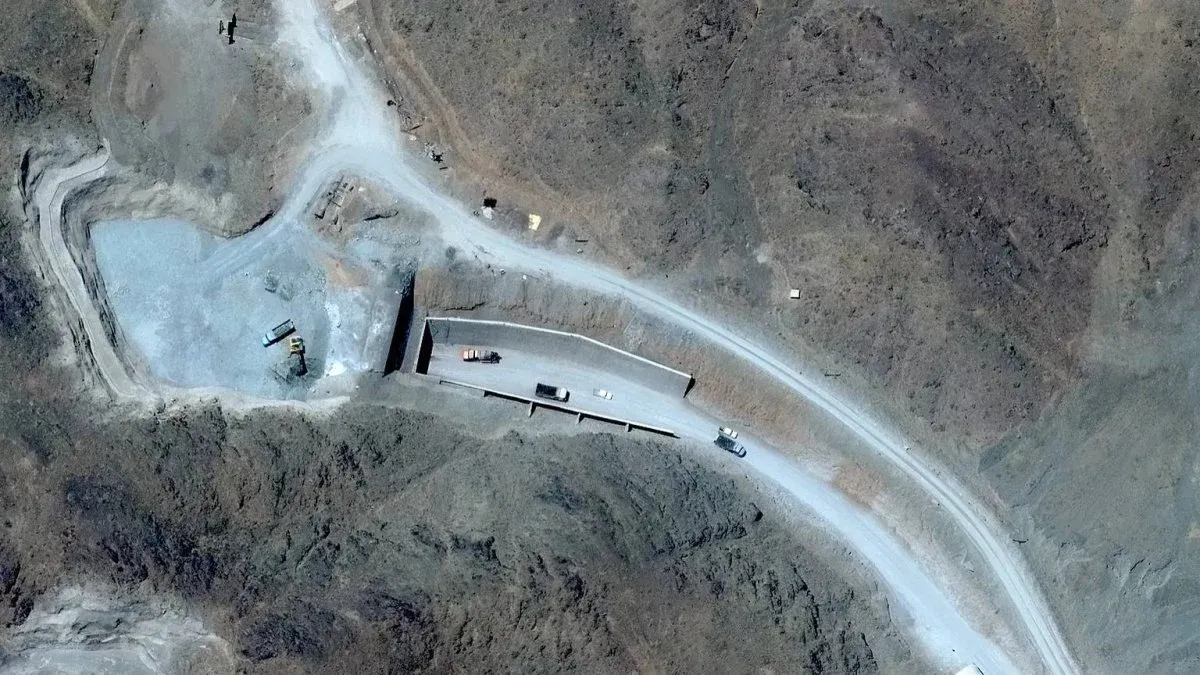
On September 14, 2026, Iran firmly denied any allegations regarding activities at a site referred to as "Axe Mountain." This statement comes in the wake of increasing scrutiny from the United States, which has raised concerns that the site may be linked to potential military operations. The spokesperson for Iran's Foreign Ministry described these claims as unfounded, emphasizing that Iran is committed to transparency and adhering to international regulations concerning its nuclear endeavors. The Iranian government’s response followed remarks made by former President Donald Trump, who highlighted that Washington is closely monitoring activities at the site and warned of the possibility of U.S. military strikes if necessary.
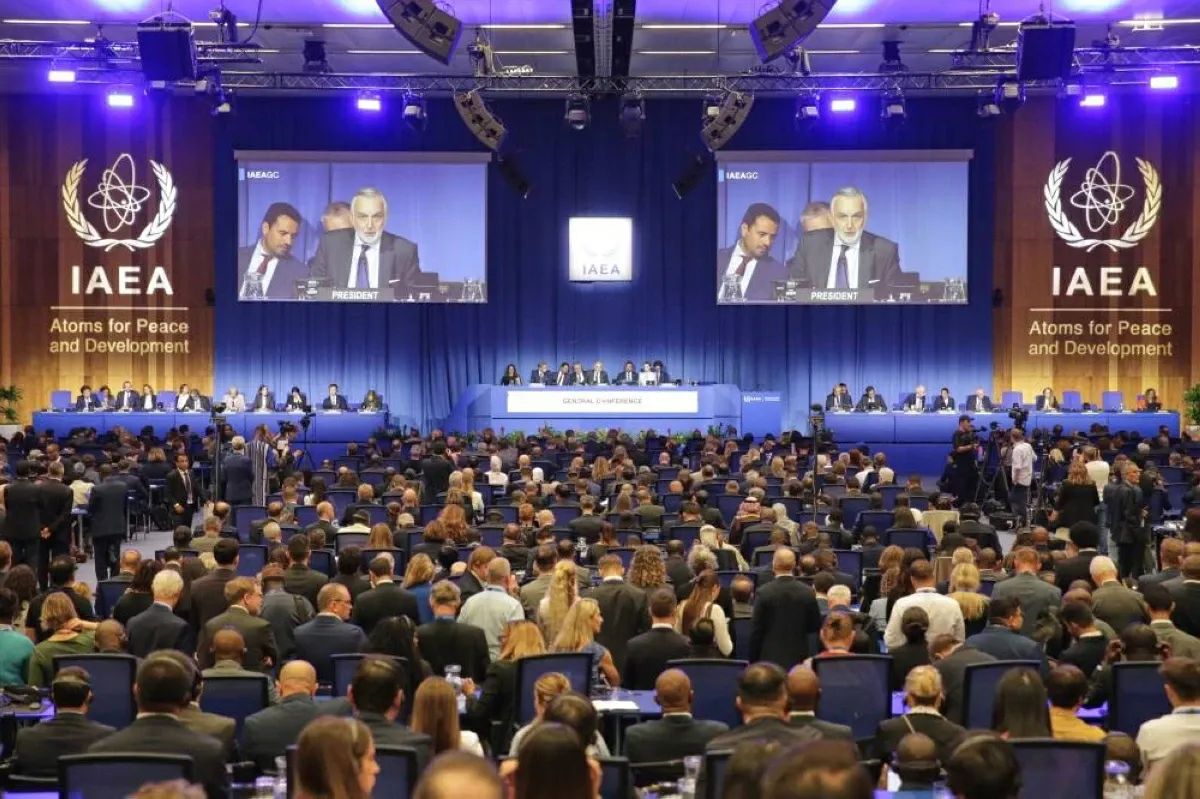
In a further development, Iranian officials reported that Mohammad Eslami, the head of Iran's Atomic Energy Organization, along with his delegation, were denied entry to Vienna, Austria. They were scheduled to participate in meetings of the International Atomic Energy Agency (IAEA). According to Iranian state television, the delegation faced what they termed "obstacles imposed by the United States," which ultimately forced them to return to Tehran. U.S. Energy Secretary Chris Wright later confirmed that the U.S. had not granted Eslami a waiver from sanctions, thereby preventing him from obtaining the necessary visa to attend the IAEA meetings.
This series of events underscores the ongoing geopolitical tensions surrounding Iran’s nuclear program and highlights the complexities of international diplomacy in addressing such critical issues. As Iran continues to deny any wrongdoing, the pressure from the United States remains a significant factor in the evolving narrative around regional security and nuclear proliferation. The situation continues to develop, and international observers closely watch the implications of these tensions on global diplomacy and security.
As reported by lebanondebate.com.