
Global Energy Markets in Turmoil
The global energy markets are currently experiencing a state of cautious expectation, primarily due to the ongoing conflict involving Israel and the United States on one side and Iran on the other. This situation has raised significant concerns across Europe regarding the critical need to secure oil and gas supplies while also seeking stable and reliable alternatives to meet energy demands. This urgency is further exacerbated by Brussels' recent decision to permanently halt imports of Russian gas and to gradually phase out oil produced in Russian fields by the end of next year, as reported by Moroccan media.
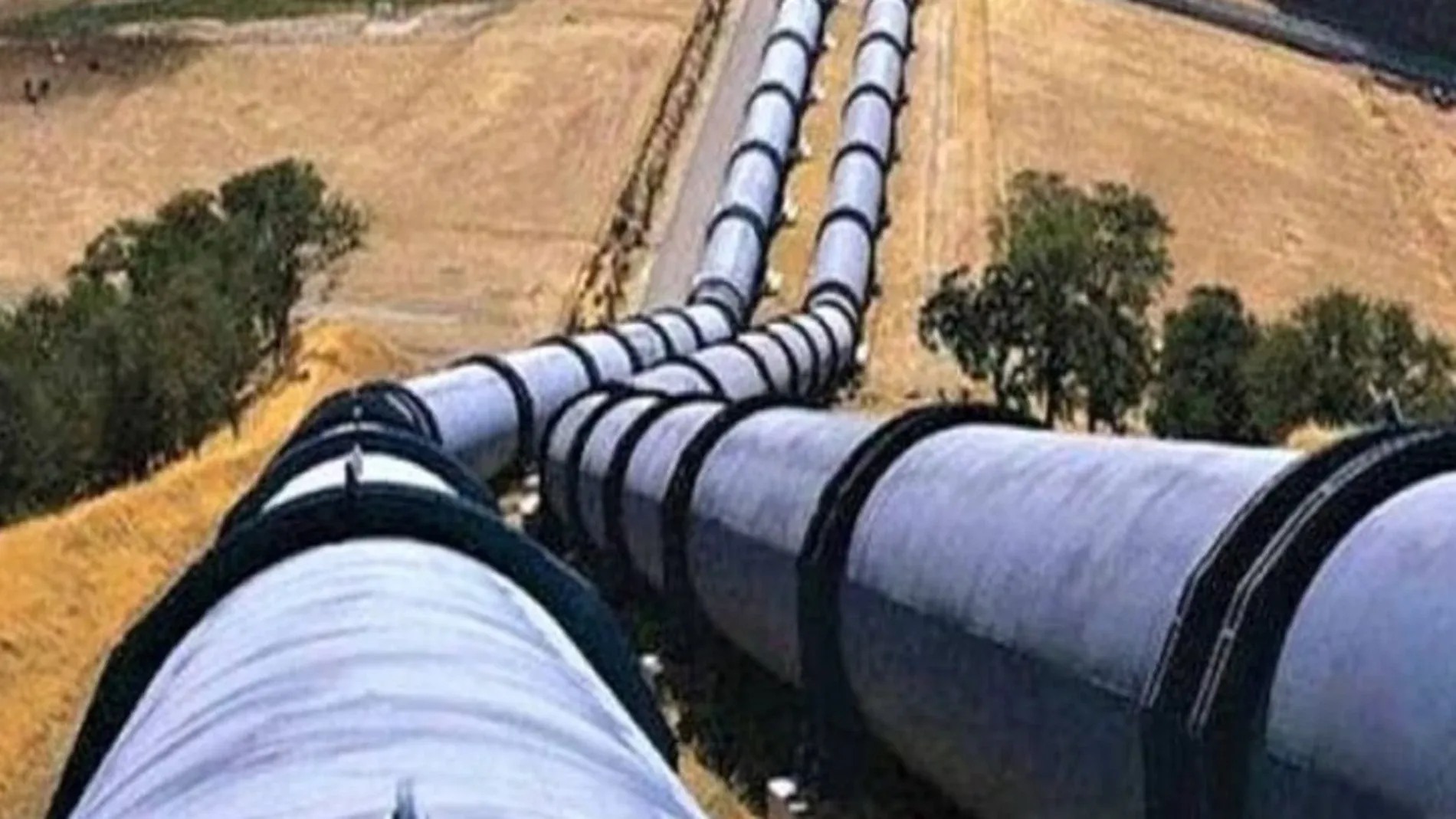
The Nigeria-Morocco Pipeline: A Strategic Alternative
In this complex context, the Nigeria-Morocco pipeline project has emerged as a vital and strategic option, according to experts. This pipeline would allow Europe to diversify its energy sources, distancing itself from high-risk markets and ensuring long-term stability against future energy crises. The project is viewed as the most reliable and advantageous route for transporting gas from Africa to Europe, especially when considering the geopolitical uncertainties currently facing the region.
Rashid Sari, an international economic affairs researcher, emphasized the escalating tensions in the Middle East, warning that current indicators suggest bleak and unpredictable future scenarios. He noted that there is a real possibility of the conflict widening to include countries that were previously uninvolved, such as Gulf States, amidst a backdrop of political inflexibility between Iran and the United States and Israel. In an interview with Hespress, he stated, "International events, particularly the Russian-Ukrainian war and the consequent sanctions, have severely undermined European trust in Russia as a strategic energy partner. This situation has compelled European nations to earnestly seek reliable alternatives to oil and gas. In this context, it is evident that there is an urgent need to expedite major energy projects that can ensure supply security while moving away from traditional sources that have become embroiled in political risks."
Sari further pointed out that the Nigeria-Morocco pipeline project represents an ideal solution for meeting Europe’s energy needs amidst current crises. He acknowledged that while current estimates for the project's completion range from seven to ten years, the turbulent geopolitical landscape necessitates a reduction in this timeline to ensure that Nigerian gas can serve as a stable and strategic alternative.
Additionally, economic expert Abdel-Khaleq Al-Tahami remarked that the current turmoil in global energy markets could potentially improve, bolstered by positive indicators such as Trump's announcement to initiate talks with Iran and a decrease in oil prices. This comes at a time when major energy powers, like Saudi Arabia, continue to secure enormous supplies exceeding three million barrels, despite Europe’s serious concerns about its energy security.
In comments to the online news outlet Hespress, Al-Tahami highlighted that the Nigeria-Morocco pipeline project has now become an urgent necessity and a strategic guarantee for European energy security. He asserted that Europe’s pressing need for stable energy sources will undoubtedly drive major investors and European financial institutions to accelerate funding and completion of this project, leading to positive outcomes in both the medium and long term.
Furthermore, the source explained that the Nigeria-Morocco pipeline project is characterized by political stability and high reliability—qualities that are notably absent in alternative routes such as the Nigeria-Algeria pipeline. Morocco enjoys a distinct advantage due to its attractive investment climate and a vision for multilateral financing based on extensive international alliances, while similar projects face serious challenges related to self-financing difficulties and instability in the political and security environment along transit routes.
As reported by larazon.es.