
Nizar Baraka's Controversial Statement Sparks Political Outrage
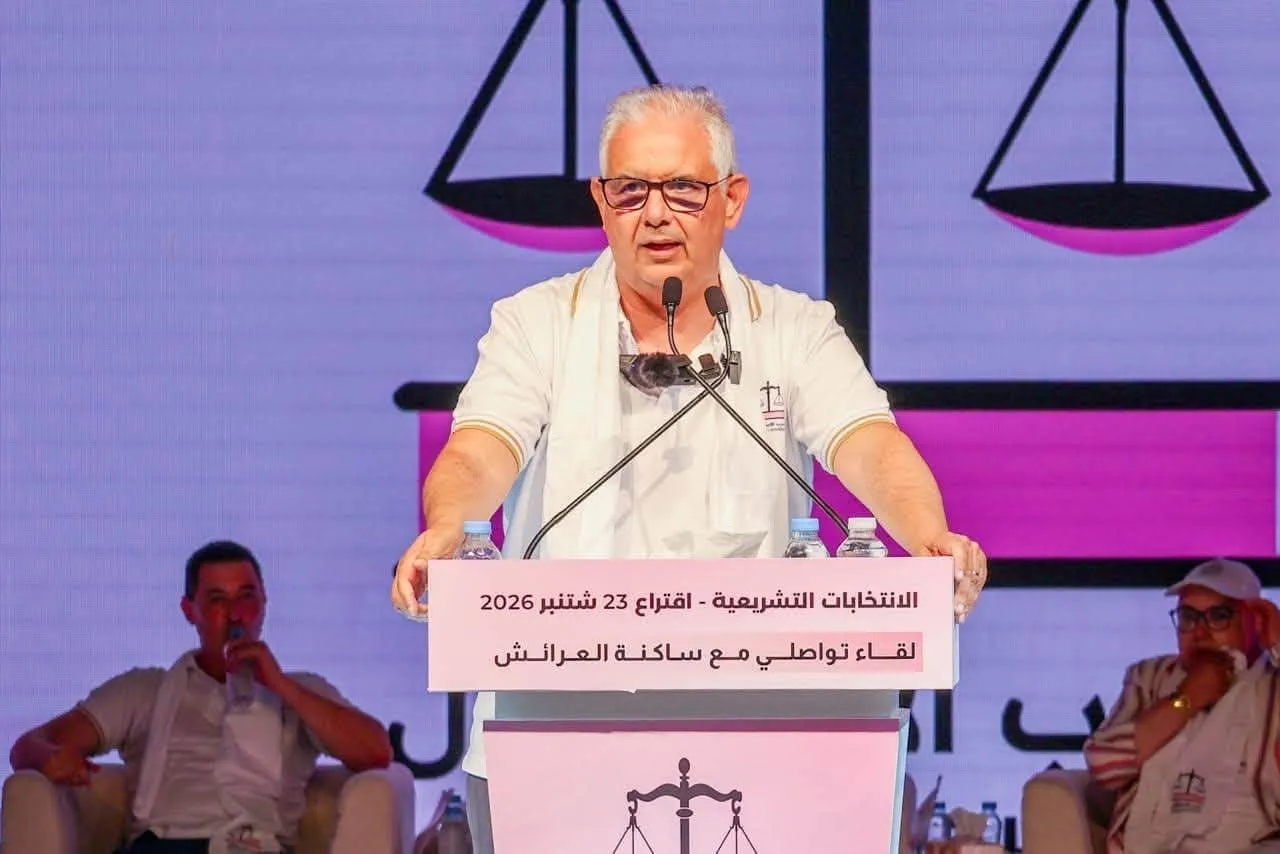
In a significant political blunder, Nizar Baraka, the Secretary-General of the Istiqlal Party, recently made headlines for a controversial statement that has sent shockwaves through Moroccan political circles. This incident unfolded during a press conference held on October 3, 2026, at the party's headquarters in Rabat, where Baraka erroneously claimed that the National Council of the Authenticity and Modernity Party (PAM) had decided to reject the participation of the National Rally of Independents (RNI) in the government. This misinformation was met with cheers from PAM members, who celebrated what they thought was a substantial political victory, despite the fact that the news was entirely false.
The implications of Baraka's statement are profound, especially considering the intricate political relationships at play. The Istiqlal Party, led by Baraka, stands to gain from the exclusion of the RNI, which would bolster their negotiating power within the government and potentially grant them more ministerial positions. Currently holding 65 seats, the Istiqlal Party aims to position itself as the second political force in Morocco, potentially overshadowing the PAM. This strategic maneuver is fueled by the party's desire to form alliances that could lead to increased political influence.
However, the backlash from Baraka's erroneous claim raises significant questions about his credibility and the overall communication strategy of the Istiqlal Party. As political figures navigate the complexities of alliances and rivalries, the ability to accurately convey information is crucial. This incident serves as a reminder of the potential consequences that can arise from statements made in haste or without thorough verification.
Moreover, the incident highlights the challenges faced by politicians in a rapidly evolving political landscape. As political affiliations shift and alliances are constantly negotiated, maintaining a clear and truthful narrative is essential for both party integrity and public trust. With public confidence in political figures already precarious, instances of misinformation only serve to exacerbate existing tensions and mistrust among the electorate.
As reported by goud.ma.