
Óliver Laxe's Rise to Prominence
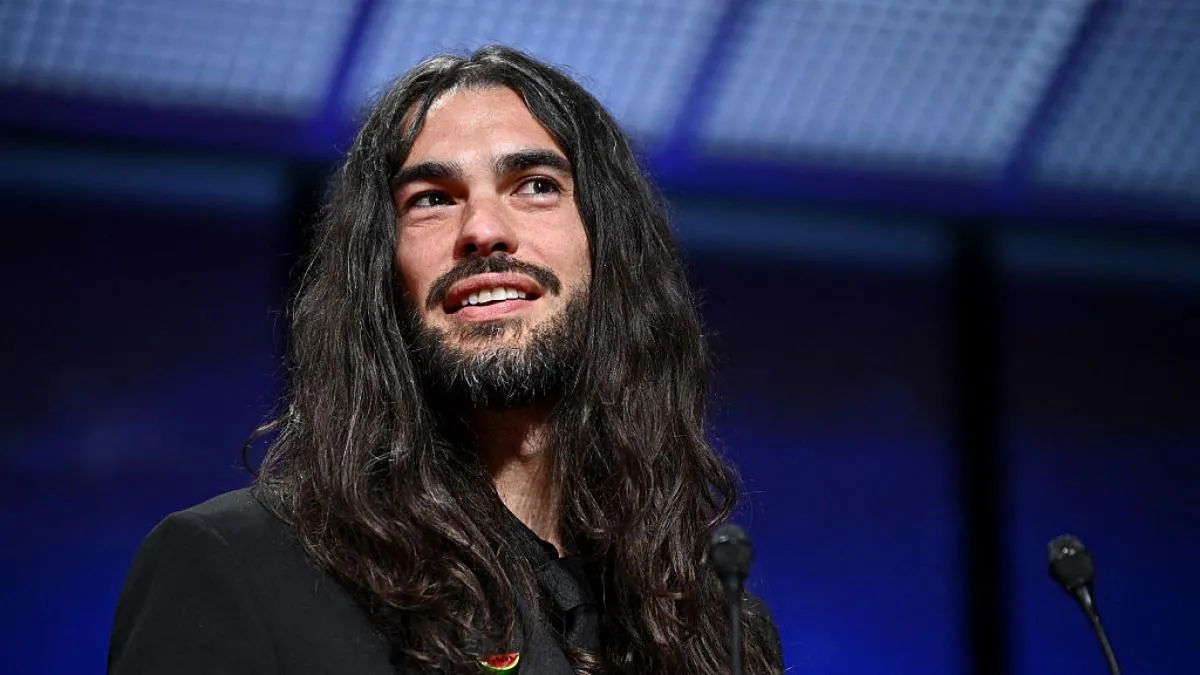
Regardless of the outcome this Sunday, Óliver Laxe has solidified his position as a pivotal figure in contemporary cinema with his film "Sirāt," which has garnered widespread acclaim, viewership, and discussion during this awards season. The Galician director's latest work has earned nominations in two prestigious categories at the Oscars: Best International Feature Film and Best Sound, representing Spain in Los Angeles. Over the past decade, Laxe has established himself as a significant voice in independent cinema, but the critical and commercial success of "Sirāt" has catapulted him into the public eye, making him a recognizable figure among audiences. Known for his candid reflections and thought-provoking insights, he has become a polarizing internet icon, drawing both admirers and critics in equal measure.
In recent weeks, it has been nearly impossible to browse social media without encountering one of Laxe's quotes or musings. However, beyond the persona he projects, the director has been revolutionizing the film landscape since the release of his debut feature in 2010. Born in 1982 in Paris to Galician immigrant parents who sought better opportunities, Laxe moved back to Spain at the age of six, first to Catalonia before settling in Galicia. This transition marked a significant turning point in his life, as he recalls feeling out of place in his new environment. "I went from being the top student to the bottom because everyone could read and count except me. I've been depressed since I was six, and that depression led me to make films," he shared in an interview with El País, reflecting on his adaptation to this drastic change.
From Early Works to International Recognition
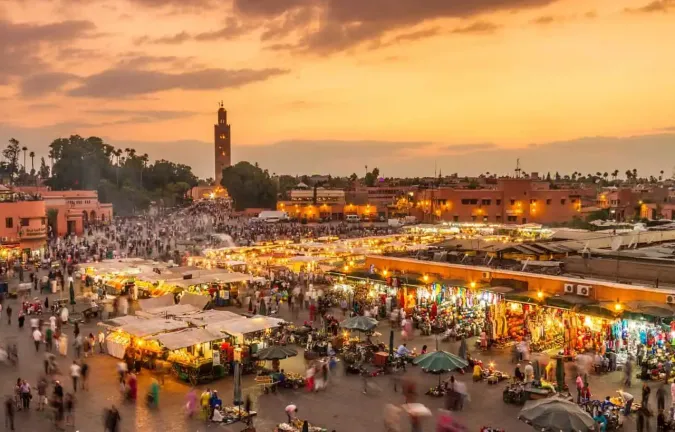
Upon reaching university age, Laxe returned to his pursuits in cinema, enrolling at Pompeu Fabra University in Barcelona. Following his studies, he ventured to Morocco, a country that has become integral to his artistic identity. It was here that he filmed his debut feature, "Todos vós sodes capitáns" (2009), which focused on a project involving underprivileged youth in Tangier. This was followed by "Mimosas" (2016), shot partly in the Atlas Mountains, which he himself described as a religious western, co-writing the screenplay with his close collaborator, Santiago Fillol. Currently residing in Vilela, a small village in Os Ancares where his grandparents were born, Laxe feels a profound connection to his roots.
His return to Galicia has profoundly influenced his work, particularly evident in "O que arde" (2019), which tackles the pressing issues of wildfires in rural Galicia and earned him recognition within the Spanish film industry. Laxe remarked, "I am from there, my sensitivity is rooted there, my approach to filmmaking is shaped by it... I have a wild, untamed side from the countryside, I carry a bit of that rural essence," during an interview with El HuffPost in June. Over the course of more than a decade, Laxe has cultivated "Sirāt," a film that has finally brought him the acclaim he deserves. "I lived in Morocco for twelve years. I matured there in terms of my values and spirituality. It is a wounded landscape. You feel like you are nothing. Like a zero. Through anguish, I found serenity. That is what 'Sirāt' is about," he reflected in a conversation with Le Cinéma Club about how his personal experiences shaped the film.
After a whirlwind of promotions, premieres, and accolades, Laxe retreats back to the Galician mountains, where he reconnects with his origins and focuses on his future projects. "In the end, a filmmaker is like the sensitive membrane of society; they owe it to society, engage in dialogue with it, and serve it. The film is not mine, you understand? It is a work of service. That is my role in society," he emphasized in an interview with El HuffPost. Although Laxe identifies strongly with Galicia, his story cannot be fully understood without acknowledging France, not only because it is where he was born but also due to the significant impact of the Cannes Film Festival on his career. He presented "Todos vós sodes capitáns" at the Directors' Fortnight, earning the Fipresci Prize.
This recognition marked the beginning of a series of accolades, as every feature he has presented at the French festival has received some form of award. "Mimosas" won the Critics' Week Award, while "O que arde" secured the Jury Prize in the Un Certain Regard section. With "Sirāt," Laxe reached a new pinnacle, winning the Jury Prize in the official selection of what is considered the world’s foremost independent film festival. This success has opened doors to numerous accolades, including the Goya Awards and Oscar nominations, as well as extensive praise from various film publications and magazines. "The award legitimizes my work, and I understand the message: they value courage," Laxe stated in his interview with El HuffPost, making it clear that this is merely the beginning of his journey.
As reported by huffingtonpost.es.