
Morocco's Unexpected Endorsement of Western Sahara's Independence
In a surprising turn of events, Morocco has cast a "yes" vote in favor of a new world map representation that distinctly separates Western Sahara from Moroccan territory. This decision raises significant questions about the Moroccan stance on this contested region, marking a considerable political victory for the Sahrawi people. The recent United Nations General Assembly vote, initiated by Togo and backed by the African Union, resulted in an overwhelming approval of 164 votes in favor, one against (the United States), and six abstentions. Notably, Morocco was among the countries that supported this resolution, a move that contradicts its long-standing narrative.
The implications of this vote extend far beyond mere cartographic representation. Maps are powerful symbols that communicate how territories are recognized, delineated, and passed down through generations. By endorsing this new representation, the Moroccan government has inadvertently participated in creating an international cartographic framework that dissociates Western Sahara from Morocco. This paradox highlights the political strength of the decision: Morocco has approved a representation that acknowledges the distinct territorial status of Western Sahara.
A Diplomatic Paradox for Morocco
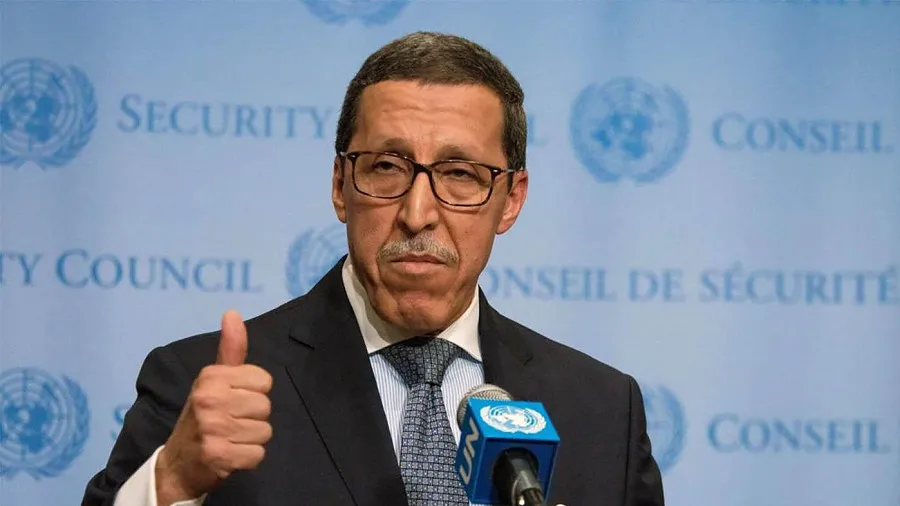
For decades, Morocco has fought to assert that Western Sahara is an integral part of its national territory. However, this new global representation strips that claim of validity, allowing Western Sahara to maintain its separate territorial identity. For the Sahrawi people, who have long been advocating for self-determination and independence, this acknowledgment on the international stage is a monumental victory. The contradiction becomes even more pronounced when considering the statements made by Omar Hilale, Morocco's representative at the United Nations, who has consistently emphasized the supposed "Moroccan-ness" of Western Sahara. How can Morocco affirm its sovereignty over a territory while simultaneously voting for a delineation that recognizes its separation?
This diplomatic inconsistency challenges the narrative that Morocco has constructed and reflects a shift in the dynamics of international recognition. The recent vote signifies more than just a change in map representation; it is a symbolic political gesture that reinforces the reality that Western Sahara is not subsumed under Moroccan sovereignty. Furthermore, this vote is not only crucial for the Sahrawi cause but also plays into the broader political landscape, as it highlights the ongoing struggle for recognition of people, territory, and the right to self-determination.
As international perceptions evolve, the Sahrawi people's fight for their identity and future continues to gain traction. The representation of Western Sahara as a separate entity on world maps will likely influence educational, institutional, and digital representations, further embedding its status in global consciousness. Ultimately, this vote marks a significant moment in the ongoing narrative surrounding the Western Sahara conflict, bridging the gap between the struggle for recognition and the fight for self-determination.
As reported by algeriepatriotique.com.