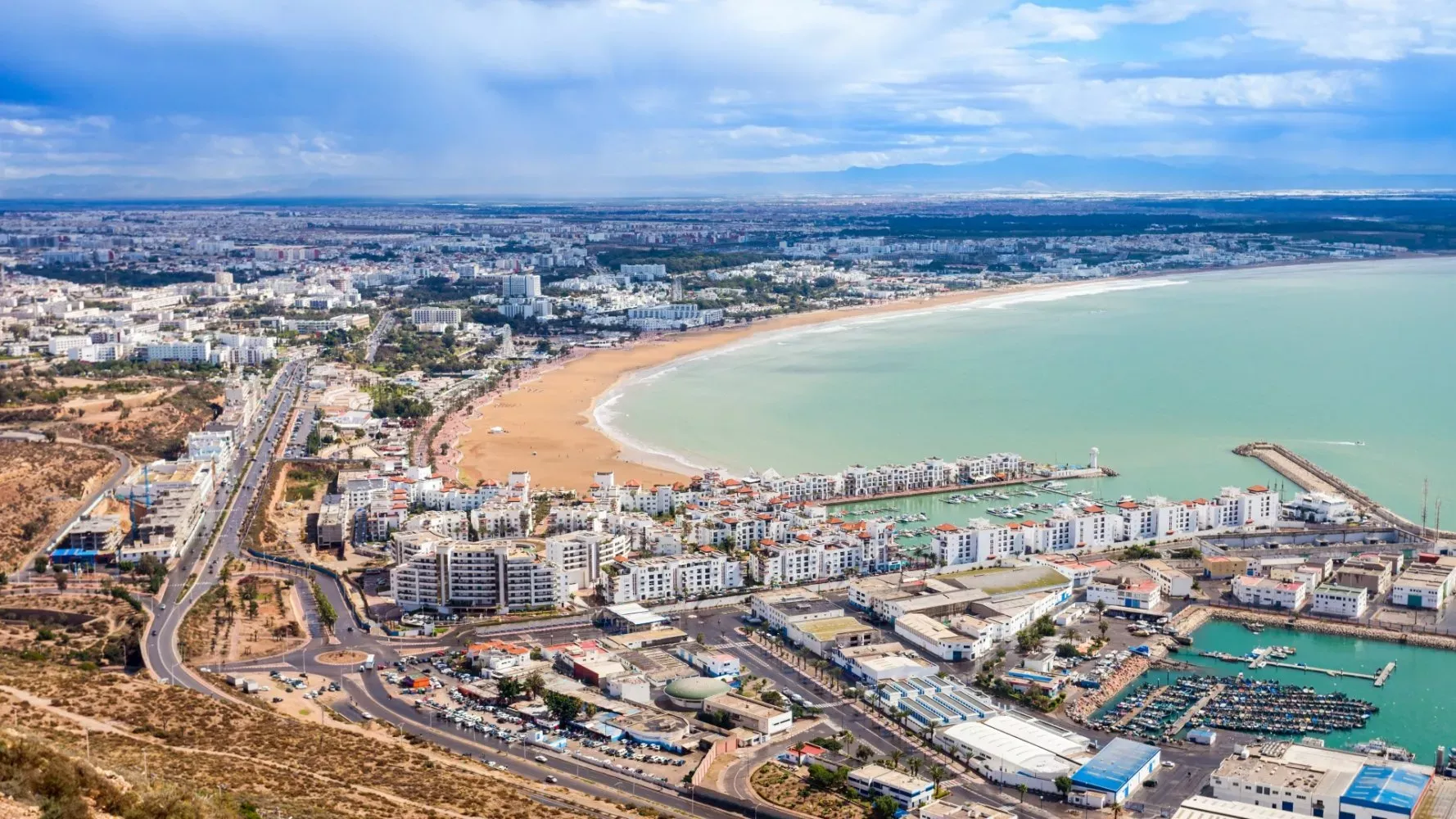

Following a challenging 2025-2026 raspberry season characterized by a decline in fresh fruit exports and disruptions caused by adverse weather conditions, the new campaign has commenced in the Agadir region, buoyed by an optimistic outlook from operators who are encouraged by robust international demand.
In a recent publication, FreshPlaza, a media outlet specializing in fruit news, noted that the first shipments of Moroccan raspberries for the 2026-2027 season departed from Agadir two weeks ago. This launch occurs against a backdrop of contrasting circumstances for the industry. On one hand, producers continue to grapple with increasingly unpredictable climatic uncertainties. On the other hand, initial signals from the international market suggest promising prospects, which is a welcome change for exporters following a particularly difficult previous season.
As highlighted by Abdeslam Acharki, director of Interproberries Maroc, the interprofessional organization for red fruits, demand remains well-oriented at the start of this campaign. This positive indicator fuels the hopes of exporters who are eager to recover after the previous season's setbacks.
The 2025-2026 season indeed left its mark on the sector. Climatic fluctuations disrupted production schedules and negatively impacted yields across various agricultural basins. Consequently, Moroccan fresh raspberry exports fell by 7%, declining from 63,554 tons to 59,149 tons.
The Rabat-Salé-Kénitra region experienced the most significant contraction in export volumes, with a staggering 22% drop. This underperformance exemplifies the growing vulnerability of the sector to weather conditions, leading professionals to find it increasingly challenging to formulate reliable forecasts from one season to the next. The climate variations, yield discrepancies between varieties, and market developments contribute to a more uncertain outlook than ever before.
"Seasons are no longer alike," succinctly summarizes the representative of the industry, emphasizing the escalating difficulty in anticipating both production volumes and commercial performances. Concurrently, the geography of Moroccan raspberry production continues to evolve, with the Agadir region gradually establishing itself as the primary production basin for raspberries in Morocco, now accounting for nearly 60% of national volumes, compared to around 40% for the Loukkos region. This growth has been a gradual process over recent years, marking a distinctive feature of the raspberry sector among small fruit crops.
While yields remain contingent on varietal choices and agricultural practices, climate remains the decisive factor. Producers are thus keeping a vigilant eye on the weather conditions that will accompany the coming months of the campaign.
Despite the downturn in the fresh segment, the sector has benefited from a rise in exports of processed raspberries. Sales of frozen raspberries increased by 19% during the previous season, rising from 12,950 tons to 15,452 tons. This performance has helped mitigate the impact of declining fresh fruit exports and reflects the sector's gradual adaptability to production fluctuations.
For operators, the challenge now is to sustain this momentum while capitalizing on the observed strength of international demand at the season's outset. Without venturing into numerical forecasts, professionals are opting for a cautious approach while maintaining a measured confidence. After a taxing year, the Moroccan raspberry sector is hopeful for a brighter future. The context remains uncertain, but the initial market indicators allow exporters to approach the new campaign with greater optimism than in the previous season.
As reported by h24info.ma.