
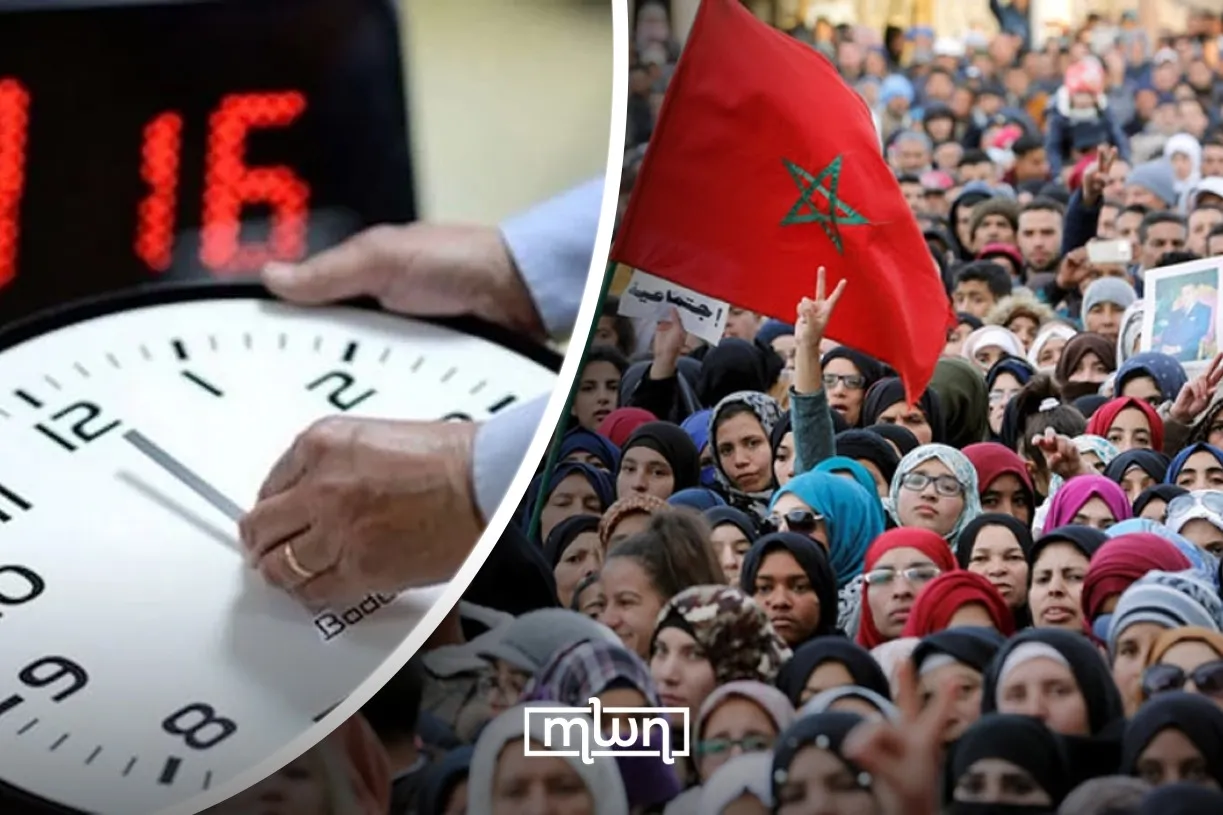

Moroccans Demand End to GMT+1 Daylight Saving Time
As the holy month of Ramadan concludes, a significant number of Moroccans are rallying for the permanent abolition of daylight saving time, commonly referred to as GMT+1. With the Eid Al Fitr celebrations marking the end of Ramadan, the government is preparing to revert to GMT+1 just days after the holiday, a move that has sparked widespread discontent among the populace.
In light of this impending switch, over 70,000 citizens have already signed a petition advocating against the daylight saving time change, which they argue presents daily challenges for the average citizen. Among the signatories, more than 17,000 individuals added their names at the time of writing, indicating a growing momentum against the GMT+1 practice. As the petition continues to gain traction, it is expected that the number of supporters will rise significantly in the coming days.
The petition articulates that the GMT+1 time shift adversely affects the quality of life for many Moroccans, causing a disruption to the biological clock that impacts academic performance, professional responsibilities, and overall mental and physical health. It emphasizes that the biological disruption is more than just a personal inconvenience; it is a crucial issue that requires addressing for the maintenance of a balanced and healthy lifestyle.
Moreover, the petition highlights the detrimental effects of this time shift on students, whose learning capabilities are significantly hindered by the misalignment of their natural sleep schedules. This misalignment contributes to fatigue, tardiness, and diminished academic achievements, particularly among the youth who are most vulnerable to these changes.
Legally, the petition has met the requisite threshold to initiate a motion in Morocco's legislative process, which mandates at least 25,000 valid signatures for parliamentary consideration. The ongoing discussion around GMT+1 is not a novel concern; every year, Moroccans express their grievances over the time change, urging the government to take their voices into account.
Despite the mounting public outcry, the Moroccan government has consistently defended the GMT+1 policy, asserting that it enhances the country’s economic competitiveness by reducing energy consumption and facilitating smoother transactions with European partners. In 2018, a government council enacted Draft Decree 2.18.855, which established GMT+1 as the standard time throughout the year, igniting protests from students who organized demonstrations and sit-ins, advocating for a return to the traditional school timetable.
As reported by moroccoworldnews.com.

