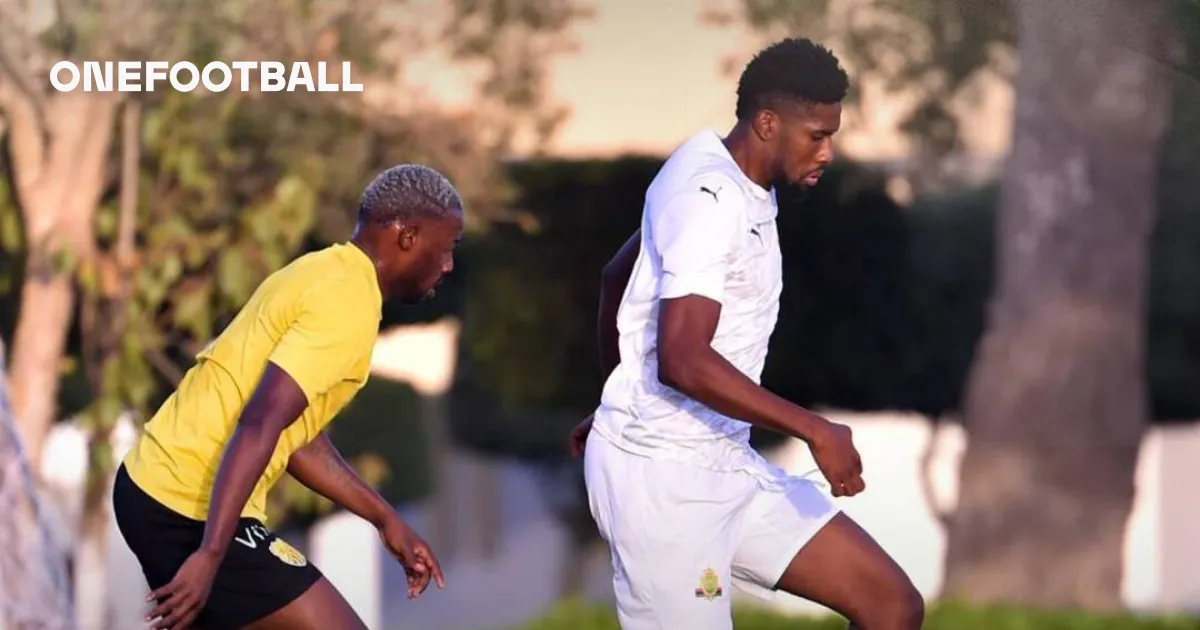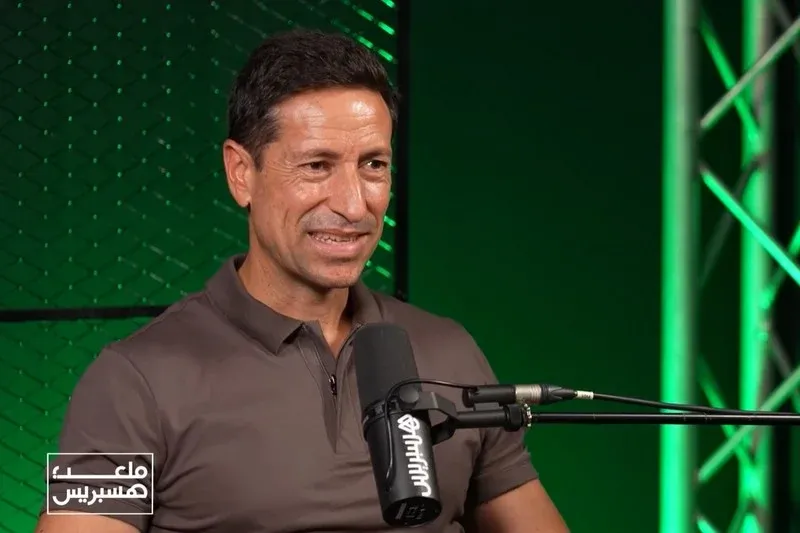

In an insightful interview with the "Hespress Stadium" program, Spanish coach Pablo Franco, who recently led FUS Rabat to victory in the Moroccan Professional League, unveiled the intricate details surrounding his departure from the team, the offers he has received post-victory, and his potential return to coaching in Morocco. Franco also shared his thoughts on the quality of the domestic league, the players, and the continental prospects for FUS Rabat, alongside his reflections on the Africa Cup Final between Morocco and Senegal and the ongoing debate regarding the hosting of the 2030 World Cup final.
Franco articulated that his return to Morocco is tied to the completion of personal matters in Fez and the preservation of his relationships within the football community. He emphasized that his time in Morocco has been one of his most rewarding experiences, both professionally and personally, expressing a desire to visit whenever the opportunity arises. He described his achievement with FUS Rabat as a lifelong milestone, especially considering the prolonged wait for a title by both the club and the city, and acknowledged that the team's unexpected journey to the championship was a testament to their playing style, group character, and the bond formed with their supporters.
Addressing his departure from FUS Rabat after their triumph, Franco clarified that the decision was motivated by both professional and personal reasons. He expressed no regrets about leaving, opting not to delve into specific details about his departure, noting instead that the focus should remain on the successful outcomes of his tenure, including player development and the relationships fostered with both the fans and the city of Fez. He praised the club's management for their role in the championship victory, highlighting the stability, support, and patience that were critical to the coaching staff's success. Franco specifically mentioned former sports director Badr Kadouri for his significant contributions during a transformative period for the club.
While he did not rule out a return to coaching FUS Rabat, he indicated that the doors remain open for him, as his connection to Fez transcends mere sporting results and has formed a deeper bond with the city and its inhabitants. Following his championship win, Franco revealed that he received inquiries from clubs in Morocco, Egypt, Algeria, and the Gulf region, with offers ranging from initial contacts to discussions and proposals, some made directly and others through agents. He attributed his lack of commitment to a new club to his desire to carefully consider his next steps, affirming that a return to the Moroccan league is a possibility when the right project arises at the right time.
Discussing the Moroccan league, Franco characterized it as robust and competitive, citing the challenging nature of its matches and the impressive performances of Moroccan clubs in continental competitions. He commended the quality of the stadiums and sporting facilities while noting some inconsistencies in the playing surfaces. He pointed to scheduling as an area needing improvement, particularly the frequent interruptions during the season and the unclear timing of certain matches, which can hinder the planning of technical staff for training and recovery programs. When asked about the team that posed the most challenges during the season, he identified Raja Casablanca, praising their quality of play and ability to create numerical advantages, which compelled him to adopt a more defensive strategy.
In a rapid-fire segment, Franco chose Canadian player Alphonso Davies as the toughest opponent he faced that season and highlighted Sofiane Benjedida as the best Moroccan player he coached. He emphasized the notable advancements among FUS Rabat players throughout the season, while also acknowledging talented players from various clubs such as Royal Army, Raja, Wydad, and RS Berkane, stressing the difficulty in narrowing down his favorites. He believes that Moroccan players possess quality, intelligence, competitive spirit, and a readiness to work hard, yet he feels there is room for improvement regarding their tactical understanding of the game. He explained that his coaching staff focused on helping FUS Rabat players comprehend the rationale behind their movements and decisions while maintaining their individual characteristics.
On the subject of Sofiane Benjedida’s transfer to Al Ahly in Egypt, Franco refrained from passing judgment on the player's decision, recognizing the prestige of the club and the intense competition he will face, while encouraging patience for Benjedida to adapt and trusting in his ability to seize opportunities and score goals. Looking ahead to the upcoming season with FUS Rabat, he remarked that the team has grown deeper with the acquisition of players capable of competing for starting positions, thus enabling them to participate in multiple competitions. Franco expressed confidence that FUS Rabat possesses the attributes necessary to advance to the group stages of the African Champions League and deemed it feasible for the team to reach the quarter-finals, while acknowledging that subsequent rounds will depend on the strength of the opponents and the draw, carefully avoiding making definitive predictions about the team's trajectory.
Franco also reflected on the Africa Cup final between Morocco and Senegal, noting that he watched the match from within the stadium and praised the organization of the tournament, the venues, fan attendance, and the representation of African football. Regarding the controversies that accompanied the final stages of the match, he remarked that the events were not favorable for football, alluding to the refereeing issues and the video assistant referee (VAR) controversy, which marred the atmosphere of the tournament. When asked to declare a champion between Morocco and Senegal, he declined, stating that the resolution lies with others and not with him.
Franco further commented on the debate over the stadium that will host the 2030 World Cup final, organized by Morocco, Spain, and Portugal, expressing a personal wish for the match to take place at the Santiago Bernabéu Stadium, given his roots in Madrid. Nevertheless, he acknowledged the significant chances for Morocco to host the final and commended the proposed stadium project, expressing his eagerness to attend the match if it is held in Morocco.
On a personal level, Franco shared what he misses most about Fez—the people—and highlighted "tagine" as one of his favorite Moroccan dishes. He also mentioned picking up some local phrases and expressions during his stay. He conveyed a heartfelt message to FUS Rabat supporters, expressing his love and gratitude while encouraging them to continue supporting the team, praising the vibrant atmosphere they create in the stands. As for his next destination, Franco refrained from predicting whether it would be within Morocco or abroad, emphasizing that he is currently focused on absorbing knowledge about football, attending training sessions, and enhancing his skills, all while awaiting a project with a major club that will allow him to return to the competitive arena for titles.
As reported by hespress.com.