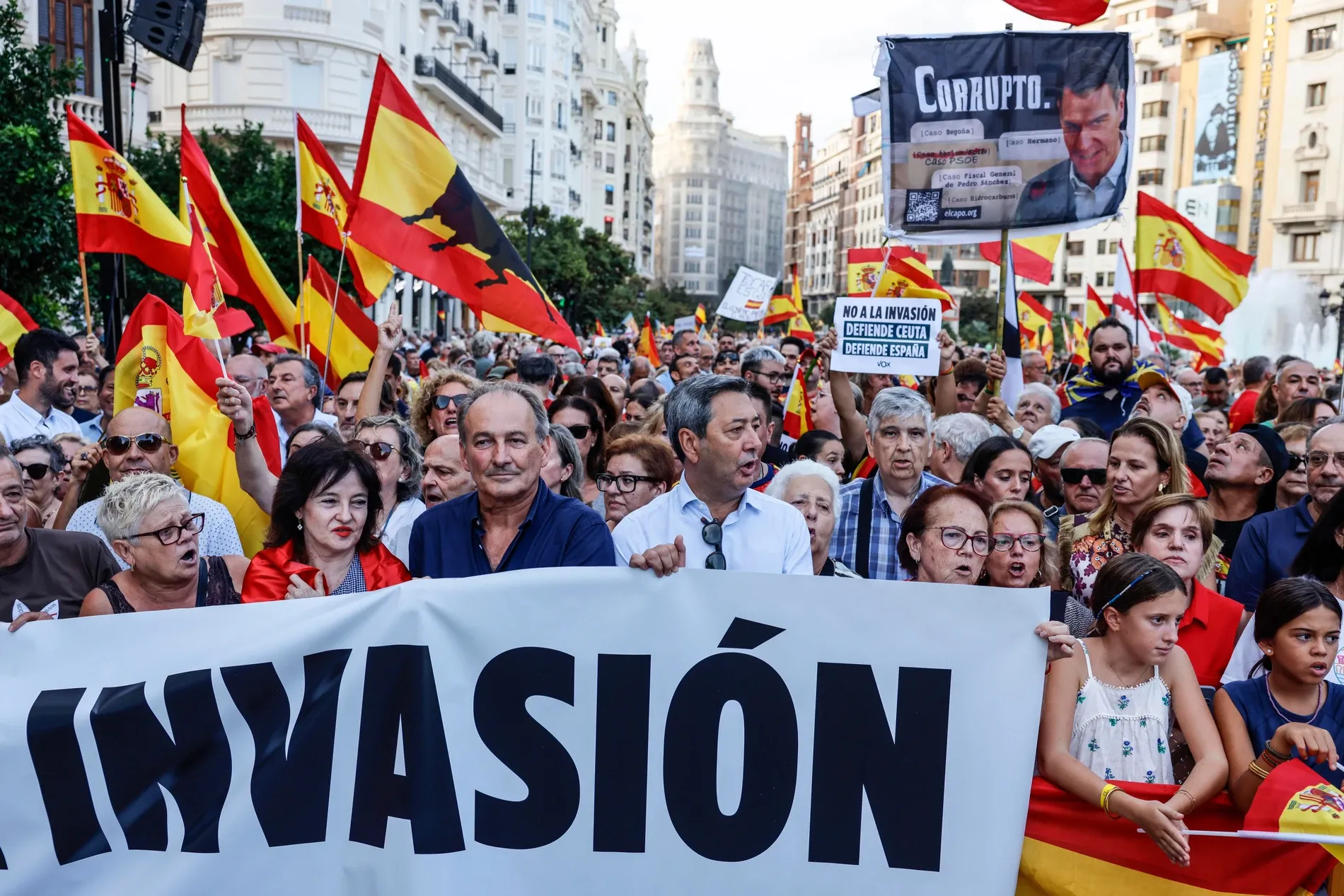

On September 3, 2026, Spanish Prime Minister Pedro Sánchez reiterated his government's stance regarding the recent crisis in Ceuta, emphasizing that no intelligence services had anticipated the massive crossing of migrants that occurred on July 30 and 31. He announced that he had instructed for all existing reports related to the incident to be made public, asserting that there is currently no evidence to suggest that Morocco planned or executed the mass entry into Ceuta. Sánchez warned that should solid evidence emerge implicating Morocco, the government would respond with decisiveness.
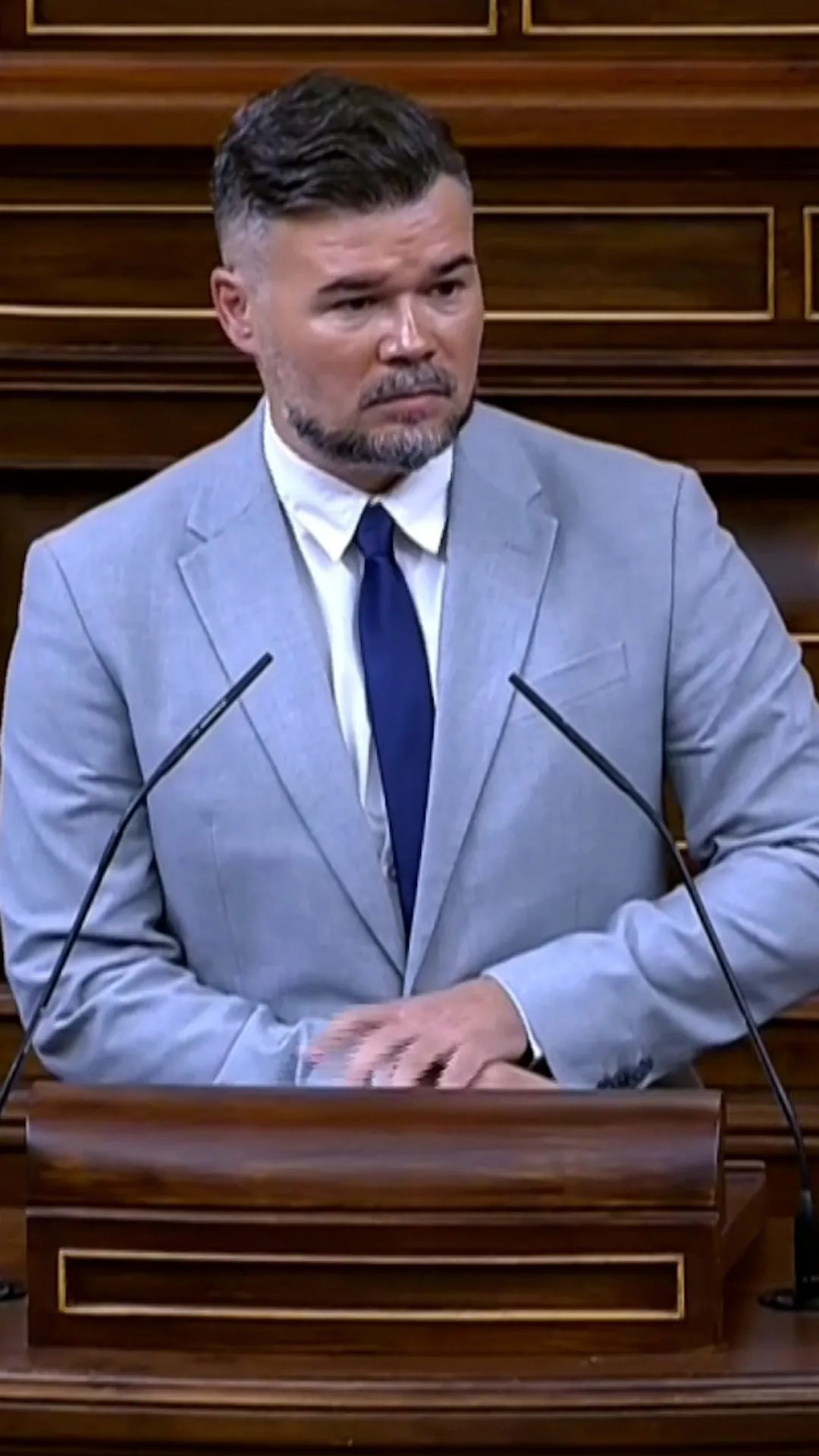
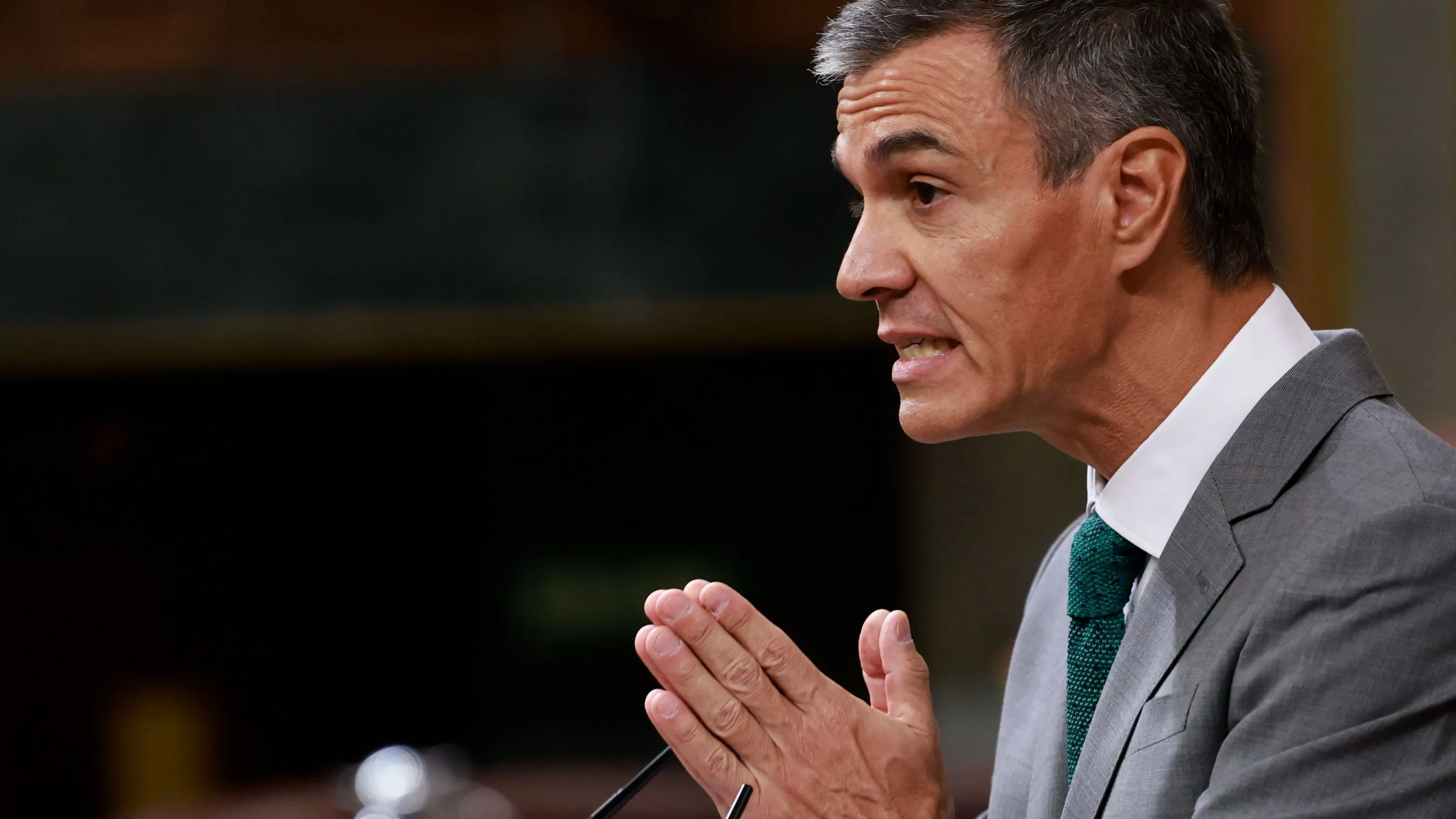
Sánchez's comments were made during a session in the Congress, where he provided an account of the government's response to the significant influx of migrants. This address came just a day after a police report was submitted to National Court Judge María Tardón, which pointed to Moroccan security forces being responsible for what was described as a 'planned' mass arrival of people rather than a spontaneous event.
Continued Defense of Morocco
Once again, Sánchez defended Morocco, asserting that there is a lack of 'solid evidence' that the neighboring country was behind the late July influx of migrants. He emphasized that if such evidence is found, the government will act decisively. “If solid evidence emerges, we will act with total firmness. This government has shown it is not afraid to confront foreign powers when the situation demands it,” he stated.
According to Sánchez, the government had only received warnings about an increase in swimming attempts to cross into Ceuta during July, but he maintained that no one had foreseen the scale or probability of the events that transpired on July 30 and 31. He pointed out that while there were two informative notes from the National Center for Immigration and Borders (CENIF) on July 28 and 29, agents deemed the situation 'not alarming,' despite noting a gradual increase in attempts to gain access due to favorable sea conditions. He highlighted that the day before the mass entry, CENIF indicated a 'medium and low' risk of arrivals.
Despite admitting that the reasons behind the lack of control by the Moroccan Gendarmerie on July 30 need to be clarified, he affirmed that investigations are underway. He vowed that any findings would be shared transparently with the public, reiterating that the government has nothing to hide on this matter. He instructed the publication of a dossier containing all reports to ensure public access to the information.
Strengthening Relations and Support for Ceuta
In addition to addressing the crisis, Sánchez acknowledged the significance of Ceuta and Melilla, reaffirming their status as integral parts of Spain, a stance based on the Treaty of Wad Ras, which solidified Spain's sovereignty over these cities. He deemed recent statements by Moroccan ministers claiming that Ceuta and Melilla are a 'historical and geographical right' of Morocco as unacceptable. Following these remarks, the Spanish government summoned the Moroccan ambassador in Madrid, Karima Benyaich, on August 21 to express its discontent.
Sánchez also announced a new wave of financial support aimed at alleviating the crisis in Ceuta, including an initial package of 309 million euros, which constitutes 16% of Ceuta's GDP, along with an additional 100 million euros to address current challenges. Furthermore, he outlined measures to enhance border security, such as extending the Tarajal and Benzú breakwaters, constructing a permanent maritime containment system, and upgrading surveillance technology. He pledged to seek a permanent Frontex presence at the port and breakwater and to request Europol to establish a specific mission to monitor irregular migration in Ceuta.
Finally, Sánchez announced plans for a stronger European presence in Ceuta and Melilla, aiming for their full integration into the European Union, and mentioned that King Felipe VI would visit the cities in the coming weeks to demonstrate the state’s commitment. As the session concluded, Sánchez faced criticism from opposition leaders regarding his handling of the crisis, prompting him to question what alternative actions they would have taken in such a situation.
As reported by rtve.es.