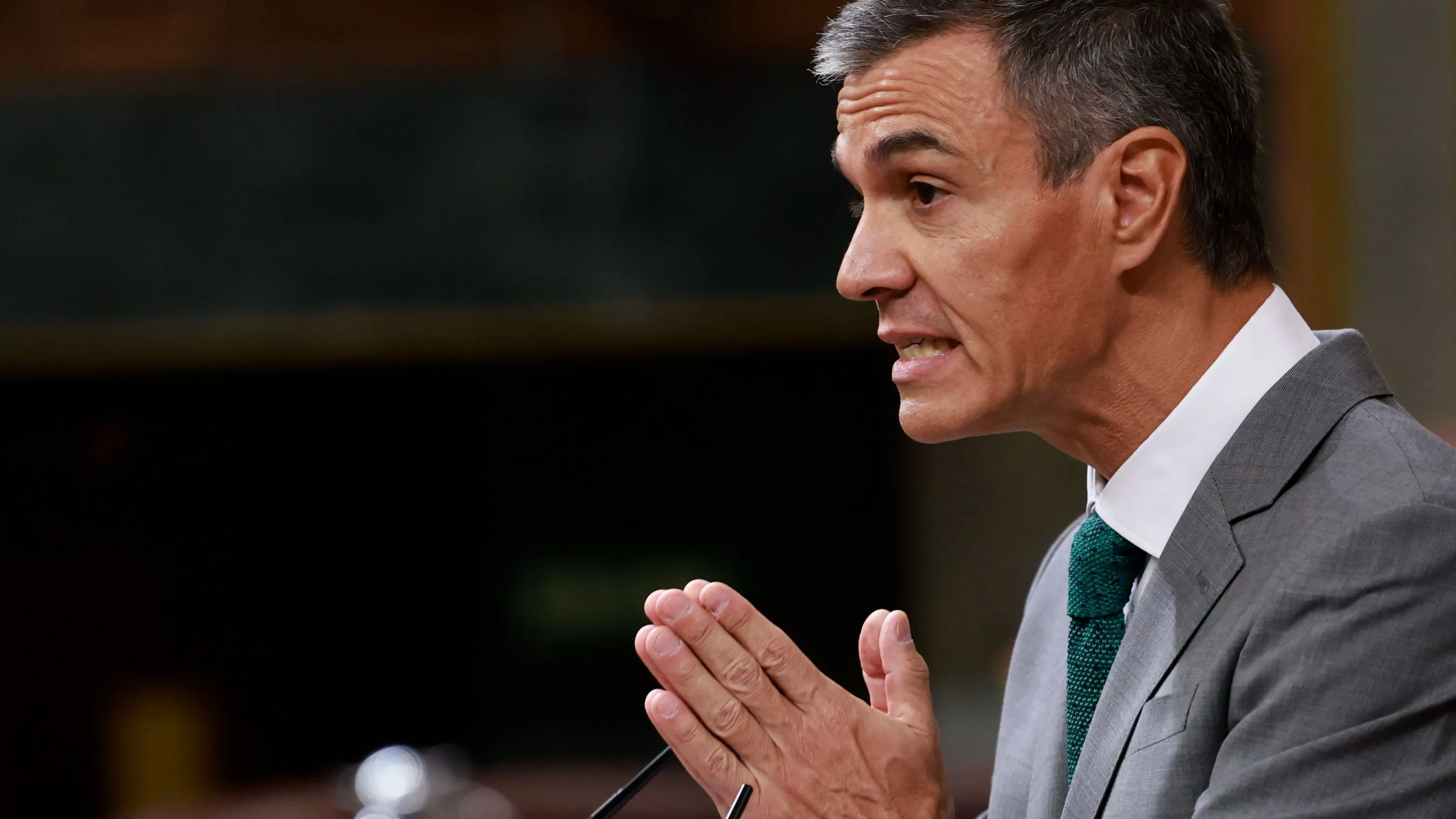

The recent surge of migrants into Ceuta, coupled with widespread demonstrations across Spain, has intensified calls for the left-leaning minority government to adopt a firmer approach towards Morocco. Prime Minister Pedro Sánchez indicated on Thursday that the nature of cooperation with Morocco must change following the Ceuta incident, although he refrained from providing specific details. He stated before the Spanish Parliament, "Should there be solid evidence of Rabat's involvement, we would act decisively." Sánchez emphasized that his government is not afraid to confront foreign powers, yet he noted the absence of "substantiated facts" to support such claims.
Previously, Sánchez had categorically dismissed speculations suggesting that Morocco orchestrated the influx of over 70,000 individuals into the Spanish exclave of Ceuta in late July. However, following his extensive remarks in Parliament, he found himself lacking support even from within his own party. Conservative opposition leader Alberto Núñez Feijóo asserted, "This operation originated in Morocco, was sanctioned by Morocco, and there are indications that Morocco coordinated it." He accused the Spanish government of prior knowledge but of covering it up, questioning Sánchez, "Why are you afraid of Morocco? What does Morocco know about you?" This insinuation hinted at possible extortion, referring to a cyberattack in 2021 during which Sánchez's phone was allegedly hacked, an attack for which Feijóo blamed Morocco.
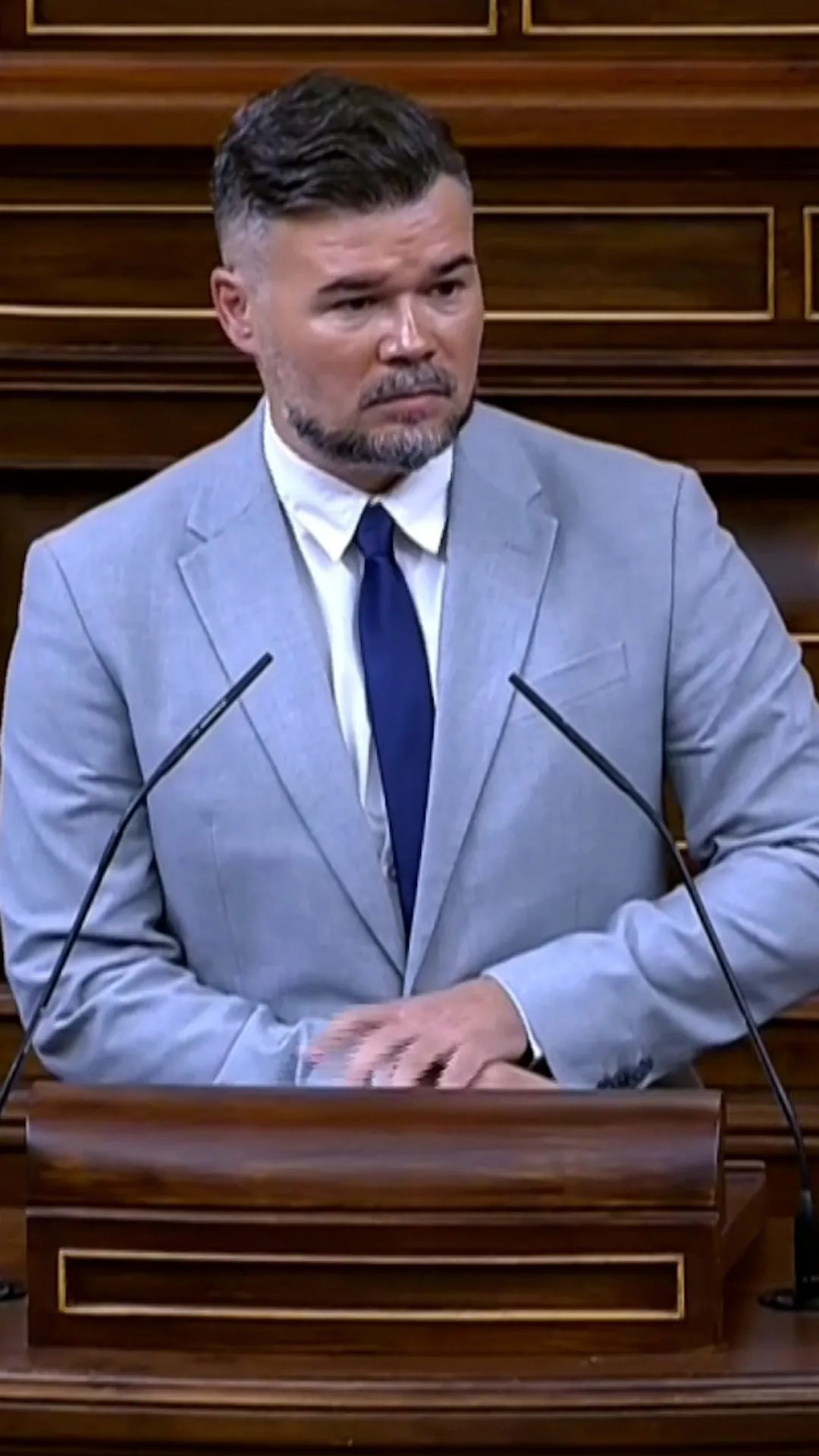
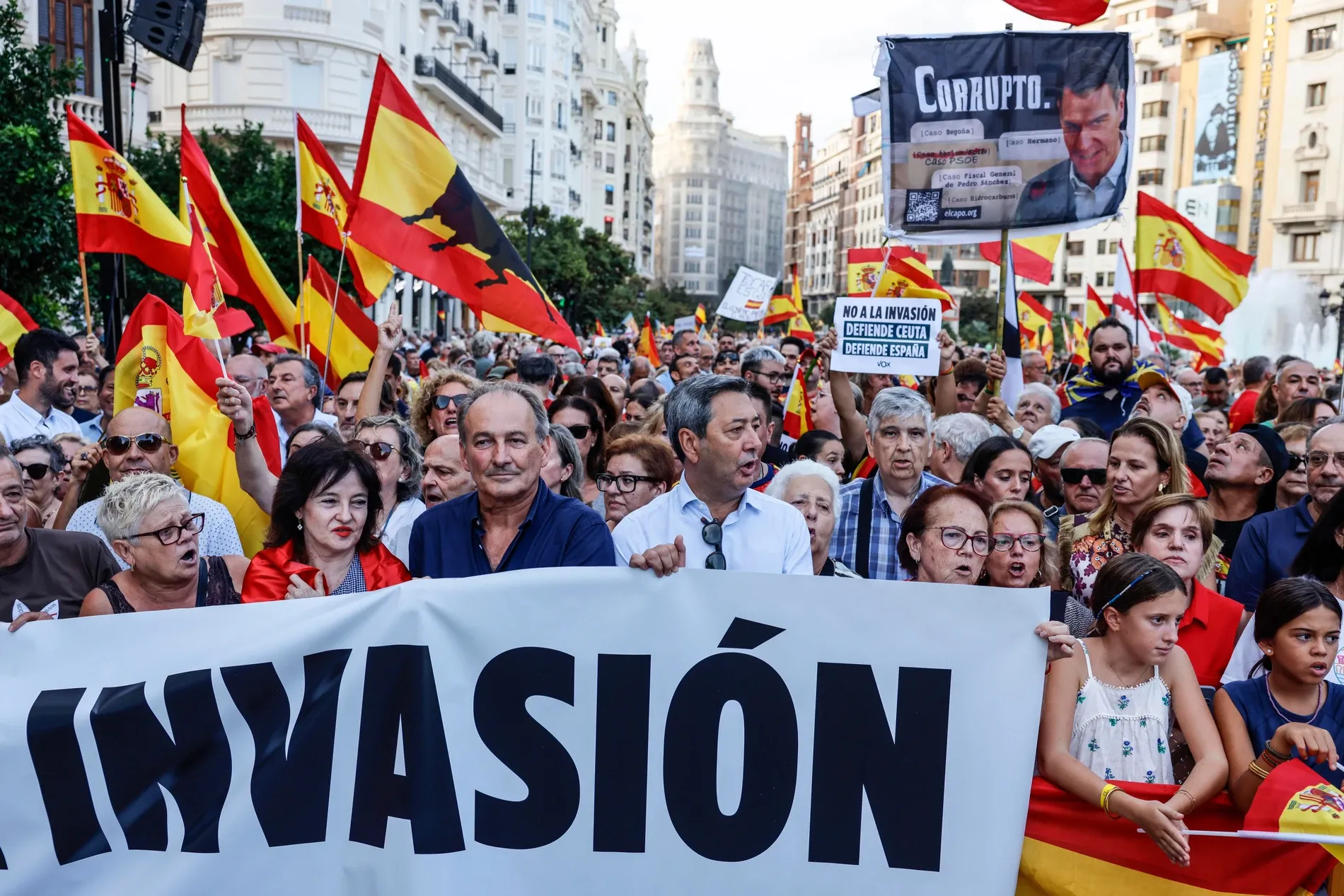
Accusations against Morocco have not only come from the opposition but also from Sánchez's leftist coalition partner, Sumar, which has implicated Morocco in collaboration with the United States and Israel in a supposed attack on Spain. Gabriel Rufián from the Catalan ERC party labeled Moroccan King Mohammed VI as a "murderer," alleging that his nation sent 80,000 individuals—alongside the US and Israel—toward Ceuta. Meanwhile, the left-wing Podemos party has called for the severance of diplomatic ties with what they term the Moroccan "dictatorship." On Wednesday evening, more than 100,000 people protested across Spain against the government's crisis management in Ceuta. Initially, the demonstrations were intended to express solidarity with the residents of the exclave, but they evolved into a massive protest against the minority government and its policies towards Morocco. In Madrid alone, where unrest also occurred, government estimates suggested over 50,000 participants, while city officials reported numbers as high as 150,000. Approximately 20,000 people gathered in Ceuta, Valencia, and Zaragoza according to press reports.
Many demonstrators called for Sánchez's resignation, with some even burning effigies of the Prime Minister and the Moroccan King. The pressure on Sánchez escalated on Wednesday following the revelation of an internal police report, which the Interior Ministry claimed it had been unaware of until that point. The report indicated that Moroccan security forces not only allowed migrants to approach the border unhindered but that some plainclothes officers directed them to Ceuta. This report ruled out a spontaneous action while stopping short of explicitly blaming the Moroccan government.
Sánchez pledged on Thursday to ensure transparency and to release "all reports" regarding Ceuta, asserting that no authority had foreseen the mass border crossings. Despite the strong cooperation with Morocco, he asserted the need to clarify why Moroccan police permitted thousands to cross the border for ten hours on July 30, only to later facilitate the return of over 90 percent of the individuals from Ceuta. The overwhelmed Spanish security forces responded with "humanity rather than brutality," avoiding violent confrontations with the migrants. Reports indicate that the Moroccan government has since announced its own investigation.
In addressing Morocco’s renewed claims over Ceuta and Melilla, Sánchez asserted that these exclaves would remain Spanish "for all eternity." However, it became evident that Madrid is treading carefully in its dealings with Rabat. Sánchez disclosed that the Moroccan ambassador had been summoned to the Spanish Foreign Ministry nearly two weeks prior to protest remarks made by two Moroccan ministers who claimed sovereignty over the exclaves.
As reported by faz.net.