
Political Response to the Migrant Crisis in Ceuta
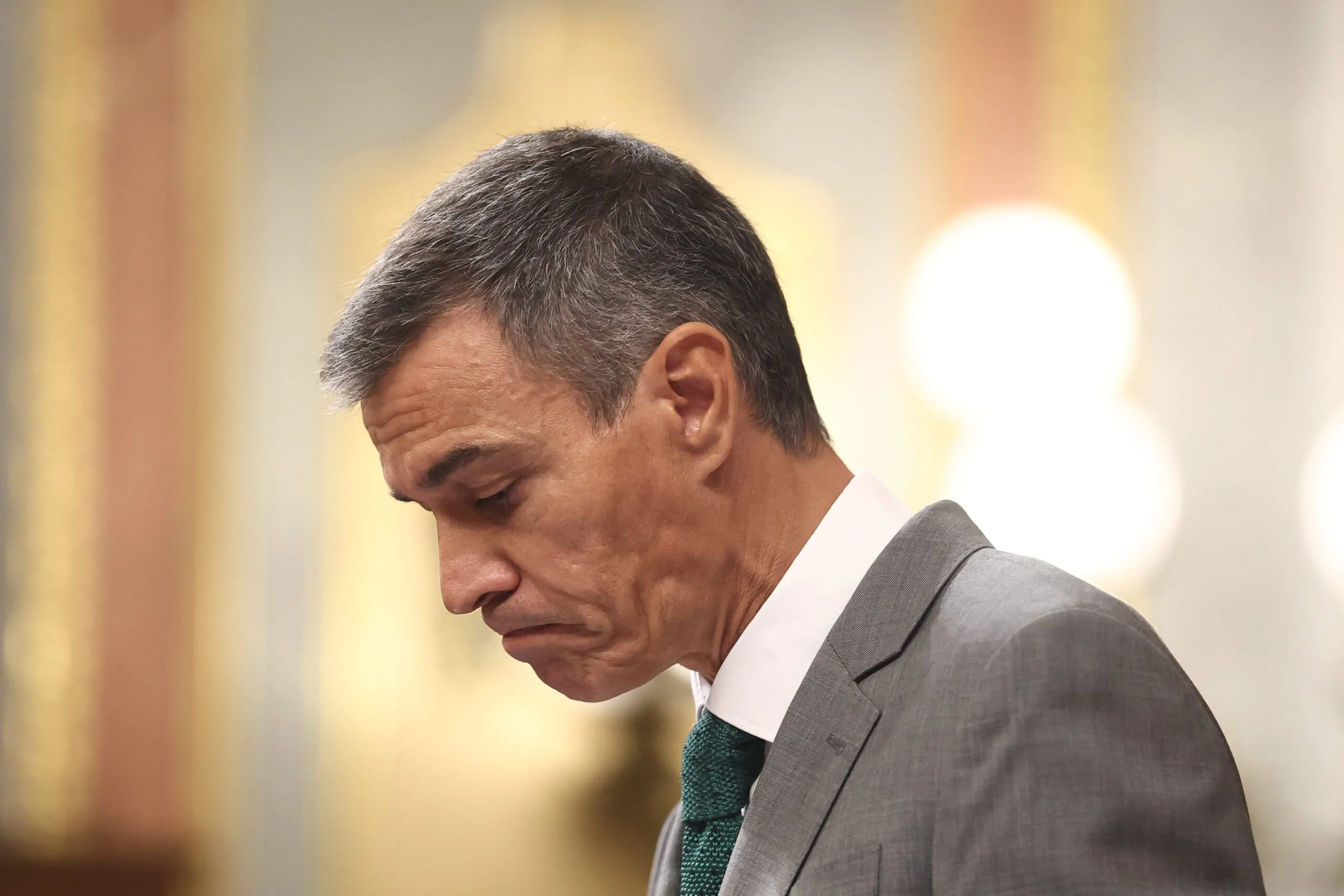
On September 3, 2026, Spanish Prime Minister Pedro Sánchez faced lawmakers in Madrid to address the critical migrant situation unfolding in Ceuta, the Spanish exclave located in North Africa. In his speech, Sánchez aimed to defuse the political turmoil threatening his government, particularly in light of the recent mass protests where tens of thousands rallied in Madrid and other Spanish cities in solidarity with Ceuta. With legislative elections on the horizon, Sánchez defended his government's handling of the crisis, which has become increasingly volatile.
Challenges of Managing the Influx of Migrants
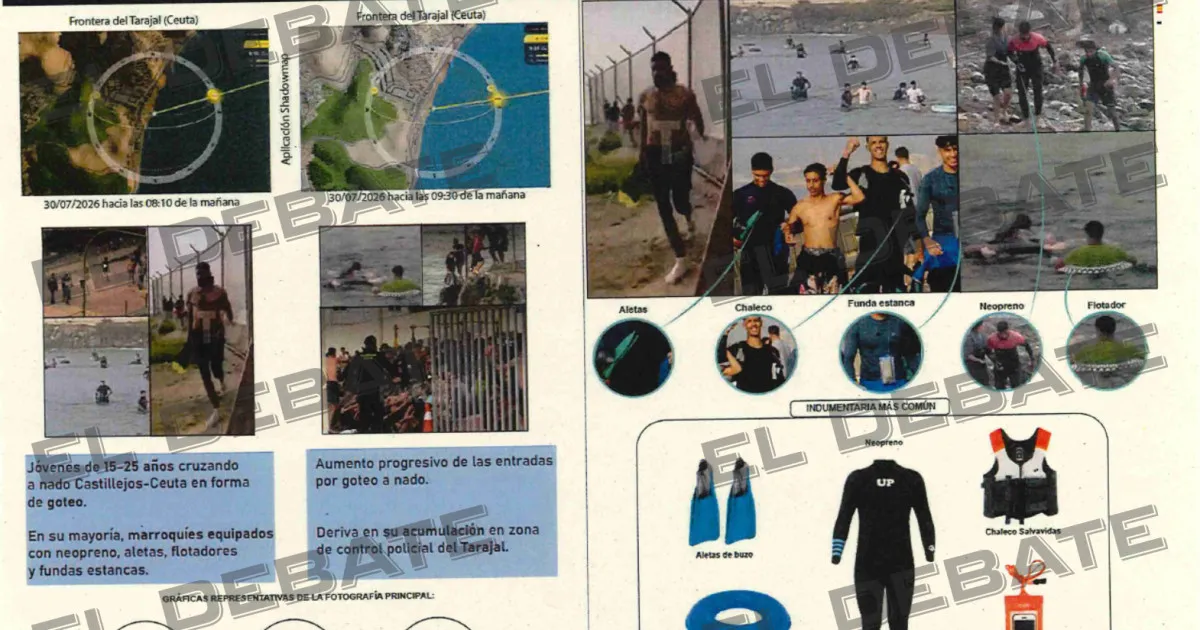
The urgency of the situation was palpable, as just a month prior, over 70,000 migrants arrived in Ceuta within a mere two days. While the majority have since returned to Morocco, thousands remain, with estimates from Madrid indicating around 5,000 still in Ceuta, though local authorities claim the number is significantly higher. Many migrants are lacking adequate shelter, forced to sleep in the streets or on the beaches due to insufficient accommodation facilities.
Central to the controversy is the question of how such a massive influx could occur at one of the most monitored borders between Africa and Europe. During his address, Sánchez stated, "There is no evidence" suggesting that Moroccan authorities orchestrated or facilitated this unprecedented arrival. He emphasized that if solid proof existed, his government would take decisive action. However, skepticism remains widespread, fueled by reports linking Moroccan agents’ involvement and a perceived leniency from Moroccan authorities. The Spanish police department has since denied these claims, yet doubts linger among experts and the public.
As the crisis escalates, the Spanish government has implemented an emergency plan valued at €309 million, which represents approximately 16% of Ceuta's annual GDP. This plan includes the opening of over 3,400 additional accommodation spaces. However, these measures have not quelled the rising anger among the populace. Protests erupted in Ceuta, Madrid, and various Spanish cities, with demonstrators demanding the expulsion of remaining migrants. The situation in Ceuta, historically known for its diverse communities, has shifted dramatically, leading to fears of losing control amid the rapid demographic changes.
Adding to the complexity of the situation is the presence of the far-right party Vox, which has seized upon the crisis as a rallying point. With the next legislative elections scheduled for 2027, this issue poses a significant challenge for Sánchez, further complicating his political landscape. Tensions have even emerged within his own socialist party, as some members have shown support for the recent protests. The Prime Minister now faces the delicate task of acknowledging the questionable actions of Moroccan forces while avoiding direct accusations against Rabat, all while addressing the frustrations of Ceuta's residents and steering clear of extremist rhetoric. The election campaign is undeniably underway in Spain, intensifying the urgency of resolving this multifaceted crisis.
As reported by publicsenat.fr.