Prime Minister Sánchez Addresses Migrant Influx in Ceuta
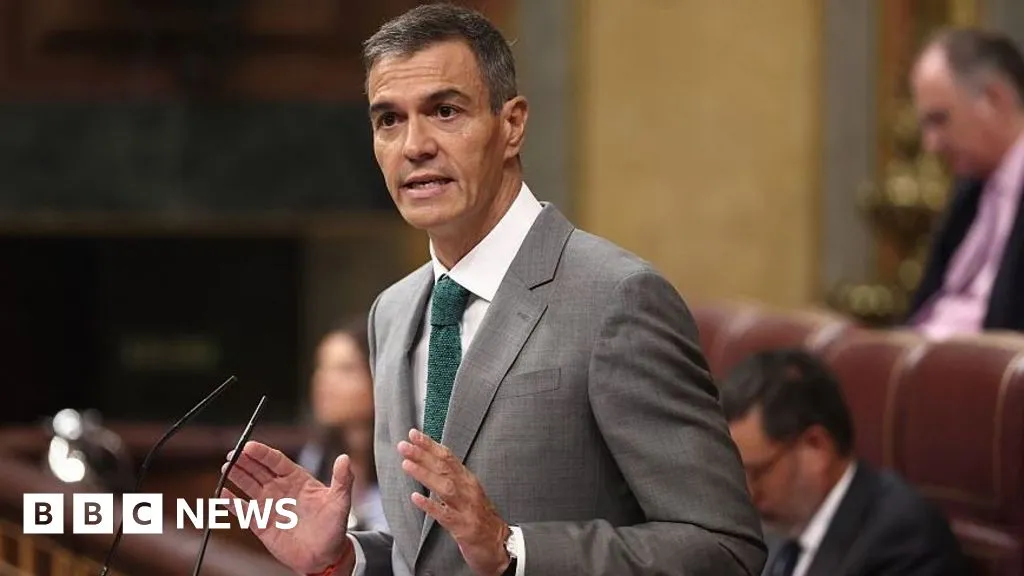
In a recent address to the Spanish parliament, Prime Minister Pedro Sánchez has come under fire for his handling of the unexpected surge of 72,000 migrants in the exclave of Ceuta. Amid growing pressure from opposition parties and public protests that erupted across the nation, Sánchez emphasized that it is "absurd to think that the government knew and did nothing" regarding the crisis. He defended his administration by stating that there is no evidence to suggest that Morocco orchestrated the mass crossing, despite a Spanish police report indicating a lack of action from Moroccan security forces.
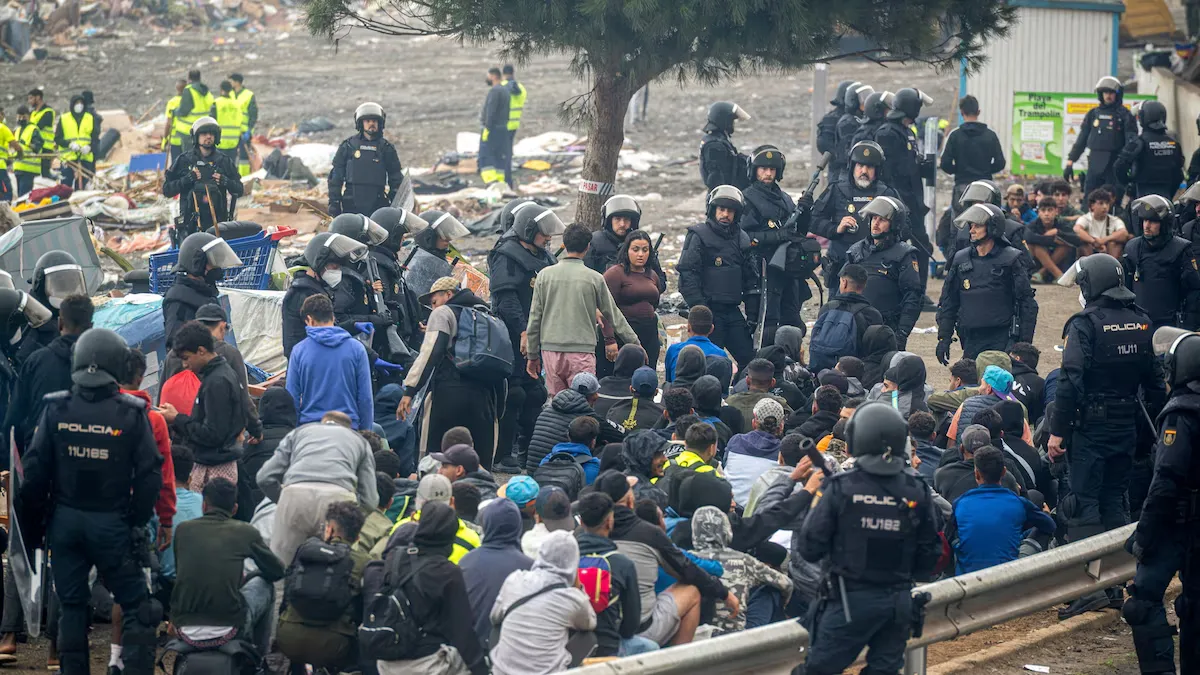
As the situation unfolds, the majority of migrants have been returned to Morocco, but approximately 5,000 individuals, including around 1,400 children, remain in Ceuta's streets and beaches. Reports have surfaced indicating that Spanish officials had prior knowledge of an impending increase in maritime arrivals at Ceuta, influenced by a ruling from a Spanish court that many migrants interpreted as a guarantee against pushbacks if they managed to swim across the border.
Challenges and Criticism of Crisis Management
While Sánchez has refrained from directly criticizing Morocco, he expressed discontent over what he termed "unacceptable" remarks made by two Moroccan ministers concerning Ceuta and its neighboring exclave, Melilla. These two cities represent the only land borders of the European Union located in North Africa. The Spanish government's management of the migrant crisis has drawn ire from several European partners, prompting Italy to impose border restrictions on arrivals from Spain.
Sánchez articulated that Ceuta represents not merely a border but is, in essence, part of Spain itself, situated at the border of Europe. He commended the local police for prioritizing the defense of human lives during the crisis, rather than merely fortifying the border. Furthermore, he underscored the collaboration with Moroccan authorities, which facilitated the return of over 90% of the migrants within a short period of 72 hours.
In his remarks, Sánchez acknowledged the "difficult times" faced by Ceuta's residents, shedding light on the "complexity" of the events that transpired on July 30 and 31. He characterized the situation as a convergence of various actors and interests, reiterating his belief that misinformation and rumors propagated through social media played a significant role in instigating the crisis. The Prime Minister has previously attributed the situation to human trafficking gangs and has faced backlash from Russia and Israel for implicating social media connections to both nations as well as an alleged international far-right movement. Despite the challenges, he insisted that there is no evidence linking state actors to the crisis, labeling it both a humanitarian disaster and an administrative hurdle for the city.
As reported by bbc.com.