
Spanish Prime Minister Addresses Ceuta Migrant Surge
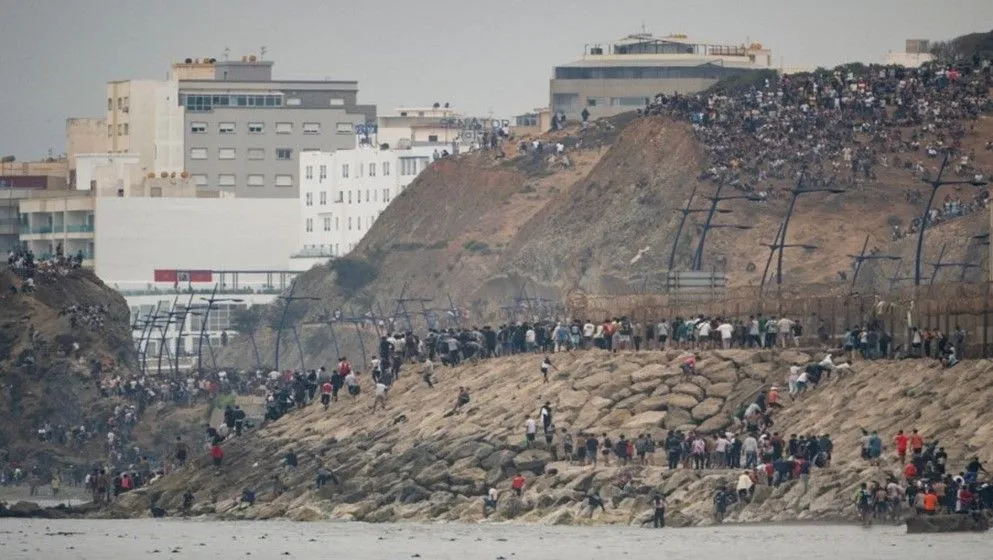
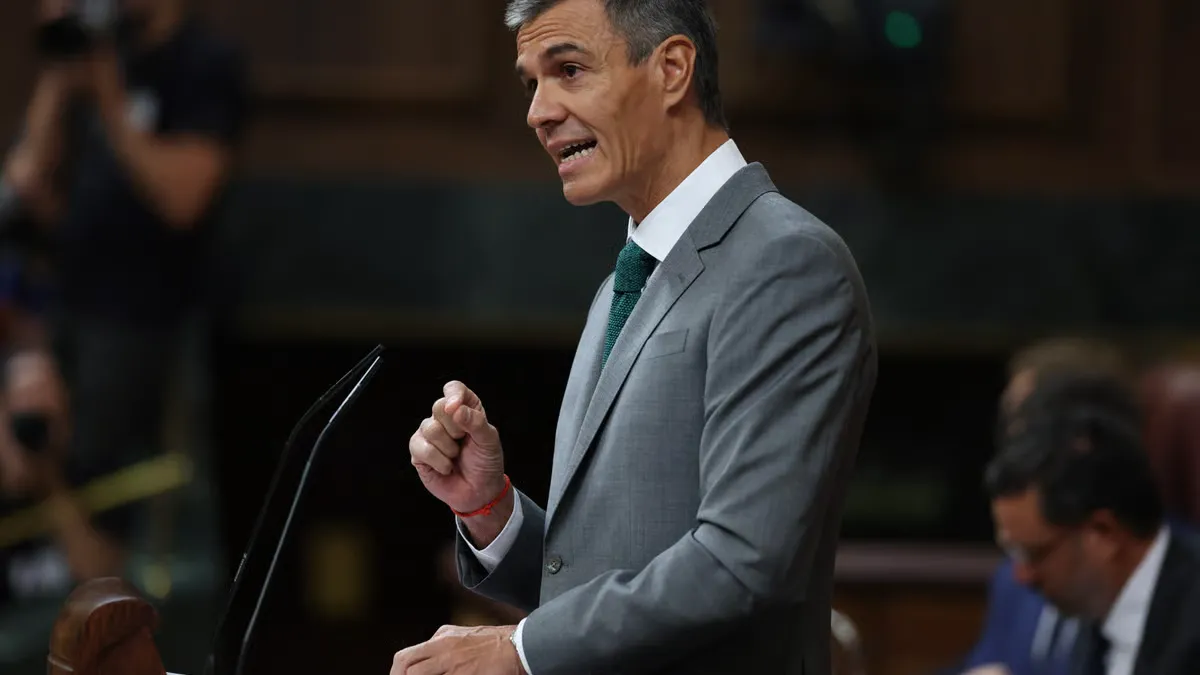
In a recent parliamentary session, Spanish Prime Minister Pedro Sánchez firmly rejected accusations suggesting that Morocco orchestrated the significant influx of migrants into Ceuta, a Spanish enclave in North Africa. This denial comes despite a controversial police report that alleged Moroccan authorities played a role in guiding migrants toward the border. Sánchez emphasized that no credible evidence has been presented by any government entity, including the European Commission or international organizations, to substantiate these claims. His assertion underscores a commitment to diplomatic relations with Morocco, which he argues is essential for addressing the ongoing migrant crisis effectively.
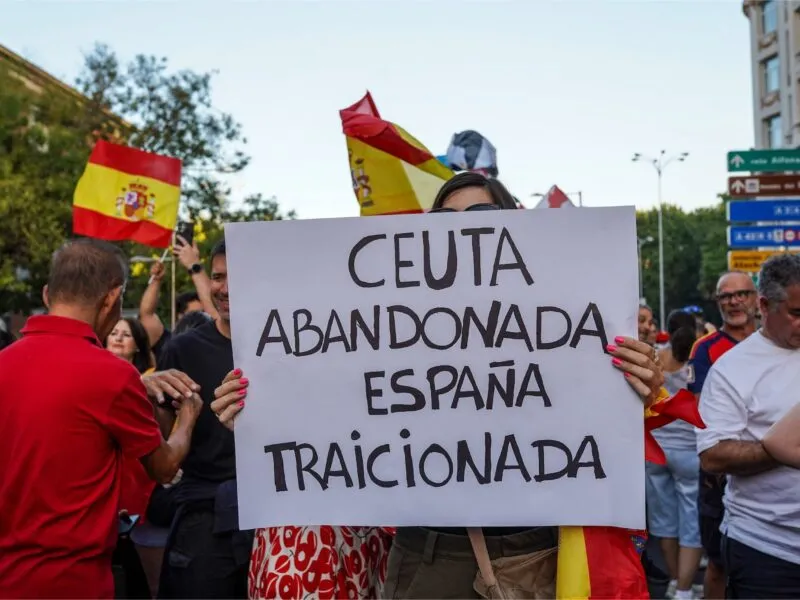
During his address, Sánchez highlighted the necessity of maintaining a cooperative relationship with Morocco to facilitate the deportation of unauthorized migrants and prevent future surges. This stance, however, has drawn criticism from various political factions within Spain, including members of his coalition government. For instance, Youth Minister Sira Rego expressed skepticism about the feasibility of such a massive movement of people occurring without Moroccan oversight, questioning the government's longstanding approach towards Rabat. The pressure on Sánchez intensified as protests erupted across Spain, reflecting public discontent with the government's handling of the situation.
Defending Sovereignty Amid Diplomatic Tensions
In an unexpected turn, Sánchez also publicly condemned Morocco's recent statements challenging Spain's sovereignty over Ceuta and Melilla, another Spanish territory in the region. He reaffirmed that these cities are unequivocally Spanish and will remain so indefinitely, despite Morocco's historical claims to the territories. This declaration marks a significant moment in Spain's diplomatic relations with Morocco, especially given the renewed emphasis by Moroccan officials on their claims over these cities.
Sánchez acknowledged the inadequacies in his government’s response to the migrant crisis but insisted that there was no prior warning or indication of the scale of the influx that occurred on July 30. He dismissed notions that the government had been informed of the impending crisis yet chose to remain inactive. Furthermore, while acknowledging the unpopularity of progressive migration policies within an increasingly conservative European landscape, Sánchez reiterated the importance of these policies for Spain's economic sustainability amid declining birth rates. As the political landscape evolves, the Spanish government must navigate these complex issues to safeguard national interests and maintain regional stability.
As reported by politico.eu.