
Understanding the Diplomatic Strain Between Spain and Morocco
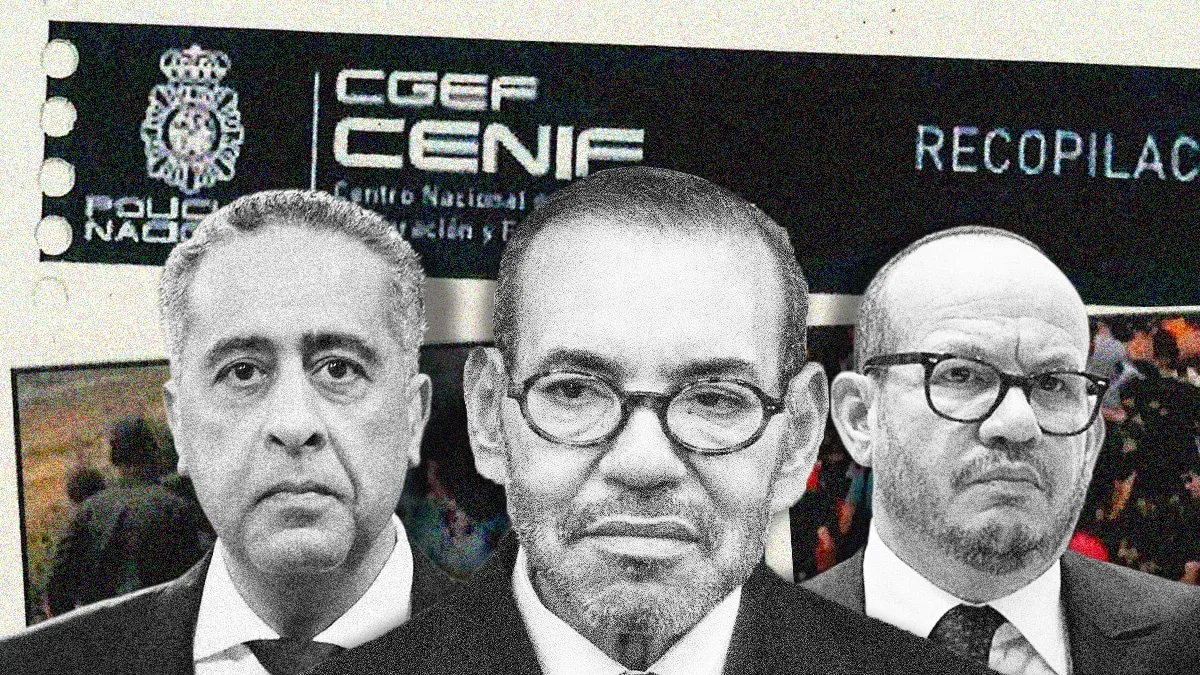
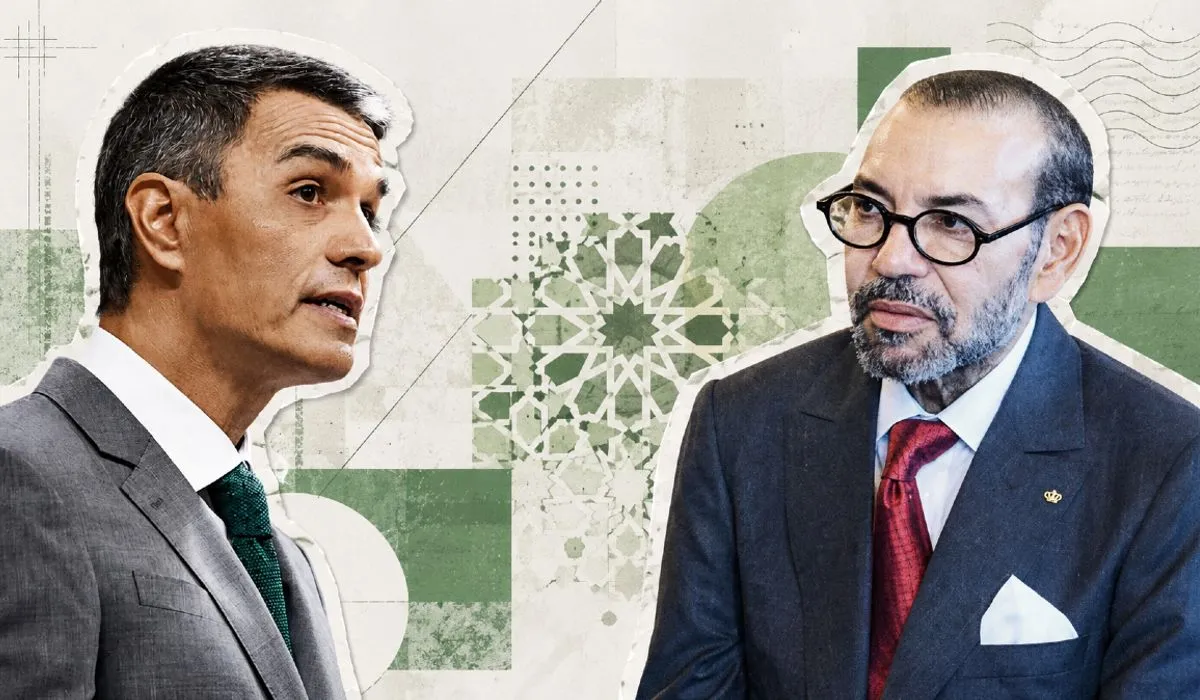
The government of Pedro Sánchez is steadfast in its defense of Morocco amid the recent massive migrant influx into Ceuta, despite police reports implicating the Moroccan Gendarmerie as a key player in the overwhelming migration crisis that escalated between July 30 and 31. Rather than absolving Rabat of responsibility, the Sánchez administration appears to emphasize its collaboration, even in the face of what many view as a significant breach of national security. According to sources from Moncloa, the relationship between Spain and Morocco has not changed significantly since the crisis erupted, which has been marked by substantial concessions from Sánchez's government. Conversely, King Mohamed VI continues to seek new advantages related to maritime and aerial territories close to the Canary Islands.
In May 2021, following a diplomatic crisis triggered by Spain's acceptance of Brahim Ghali and the subsequent influx of migrants into Ceuta, the Sánchez government initiated a new phase of relations with Morocco characterized by several significant concessions. The most noteworthy was a shift in Spain's longstanding position regarding Western Sahara. Spain now considers Morocco's autonomy proposal the most "serious, credible, and realistic" basis for resolving the conflict—a dramatic pivot from decades of a different policy, which was adopted without the knowledge of the Congress of Deputies. This gesture was not merely symbolic; it was accompanied by a second major concession in the ousting of Arancha González Laya as Foreign Minister, a demand from Moroccan officials close to King Mohamed VI. Additionally, discussions commenced regarding the management of airspace, raising concerns over potential sovereignty concessions.
Economic Support and Military Assistance
On the economic front, Spain has consecutively approved annual aid of 30 million euros to Morocco for managing migration and border control. These funds cover various expenses, including personnel allowances, infrastructure maintenance, patrols, and health checks. Moreover, Spain has financed the equipment of Moroccan forces responsible for border control, as part of a project supported by the European Union. This includes the procurement of 18 tank trucks, 220 all-terrain vehicles, 130 vehicles with protective grilles, and various other essential equipment, amounting to a total expenditure of 5.4 million euros for quads and buggies.
As a culmination of these efforts, the Spanish government allocated 21 million euros to Jaïda S.A., a company associated with King Mohamed VI, under the Development Promotion Fund. This included a loan of up to 20 million euros approved in October and a million-euro grant in December, justified under development cooperation policies aimed at boosting micro and small Moroccan businesses and supporting cooperative and social economy projects. Jaïda S.A. is partially owned by the Moroccan public financial group CDG (Caisse des Dépôts et de Gestion), which has historically maintained close ties with the Moroccan monarchy.
Despite these gestures of goodwill, Morocco has not ceased its claims over Spanish territories such as Ceuta and Melilla. Following the events of July 30, multiple Moroccan ministers reinforced their stance, with Public Works and Water Minister Nizar Baraka asserting that Rabat would not concede “an inch” of its demands. Justice Minister Abdellatif Ouahbi called for a dialogue mechanism with Spain to facilitate the “return” of these cities to Moroccan sovereignty, while Religious Affairs Minister Ahmed Tufiq mentioned the "liberation" of Ceuta and Melilla during an official event with King Mohamed VI.
While all eyes are on these two autonomous cities, Morocco continues to push for further maritime and aerial concessions near the Canary Islands. Rabat has asserted rights over waters adjacent to Western Sahara, incorporating them into its legislation as part of its territorial waters and Exclusive Economic Zone (EEZ). In 2020, Morocco unilaterally passed two laws to delineate its maritime areas, extending claims up to 200 nautical miles from the Sahrawi coast and even proposing to extend its continental shelf to 350 miles, overlapping with waters belonging to the Canary Islands and impacting economically strategic areas.
Simultaneously, Morocco seeks to gain control over the airspace of Western Sahara, which currently falls under the jurisdiction of Spanish management through ENAIRE, as mandated by the International Civil Aviation Organization (ICAO). Morocco's demand for control aligns with its broader goal of asserting effective sovereignty over the territory, including its maritime and aerial spaces. This issue is particularly critical for the Canary Islands, as any changes in airspace control could significantly affect current responsibilities regarding air traffic in the eastern Atlantic.
These maritime and aerial objectives remain a top priority for Morocco in negotiations with Spain, as fulfilling these demands would significantly advance its claims over Western Sahara, a major focus for King Mohamed VI.
As reported by vozpopuli.com.