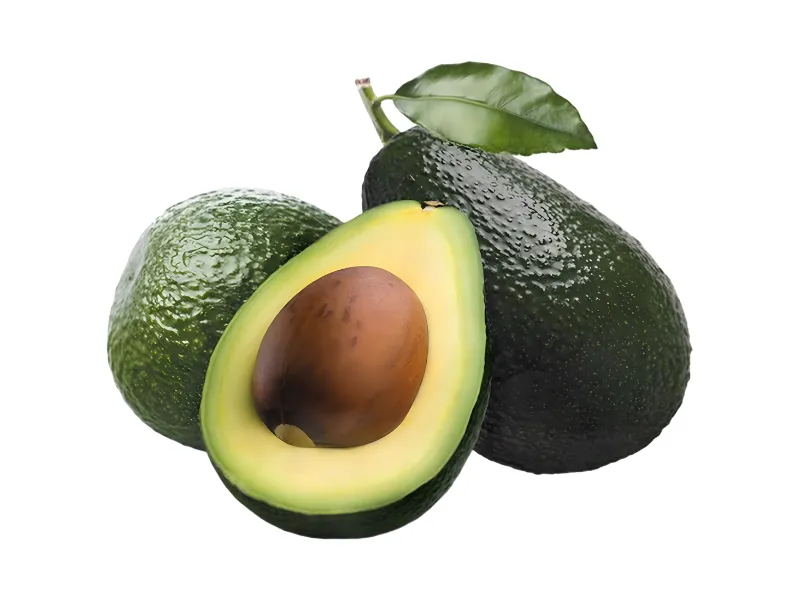
Significant Growth in Avocado Imports from Peru
According to data from the Ministry of Economy, Trade, and Business through DataComex, avocado imports from Peru reached an impressive 169,596 tons in 2025, marking a substantial increase of 23.38% compared to the previous year. This figure starkly contrasts with the 39,159 tons imported from Morocco, the second-largest supplier, underscoring the growing dominance of Latin American sources in the avocado market. This growth is not merely a blip; over the past six years, imports from Peru have skyrocketed from just over 54,000 tons in 2019 to nearly 170,000 tons today, indicating a strong upward structural trend in avocado imports.
Spain's Competitive Landscape in Avocado Production
Spain, the leading avocado producer in the European Union, has expanded its cultivation area significantly in recent years, particularly in Andalusia, with its focal points in Axarquía and the Tropical Coast, as well as emerging regions like Cádiz, Huelva, and the Valencian Community. The domestic production has increased from approximately 50,000 tons in the 1990s to over 110,000 tons in the last five years. However, this growth has not prevented Spain from losing market share within the European market. The rise of third countries with lower production costs and fewer regulatory requirements is intensifying competition and exerting downward pressure on origin prices. While Morocco has garnered much attention in the sector due to its rapid development—exporting over 140,000 tons—the quieter yet equally impactful progress of Peru cannot be overlooked.
One of the key factors explaining the significant impact of Peruvian avocados is their production calendar. Peruvian exports are concentrated between April and October, peaking from May to September, which coincides with the latter part of the Spanish avocado campaign. In contrast, harvesting in Spain occurs from October to June, with a peak period from November to March. This partial overlap is compelling national producers to advance their harvests to avoid coinciding with the mass influx of South American fruit, typically offered at more competitive prices. The increase in Peruvian imports in 2025—which grew by more than 32,000 tons compared to the previous year—demonstrates how profoundly this origin is influencing market balance. The advancement of Peru is redefining the avocado landscape in Spain and the European Union. Although domestic production continues to grow, the pressure from imports forces the sector to adapt to a more globalized environment where timing, costs, and logistics are playing increasingly decisive roles.
As reported by fruittoday.com.