
PJD’s Election Results and Opposition Stance
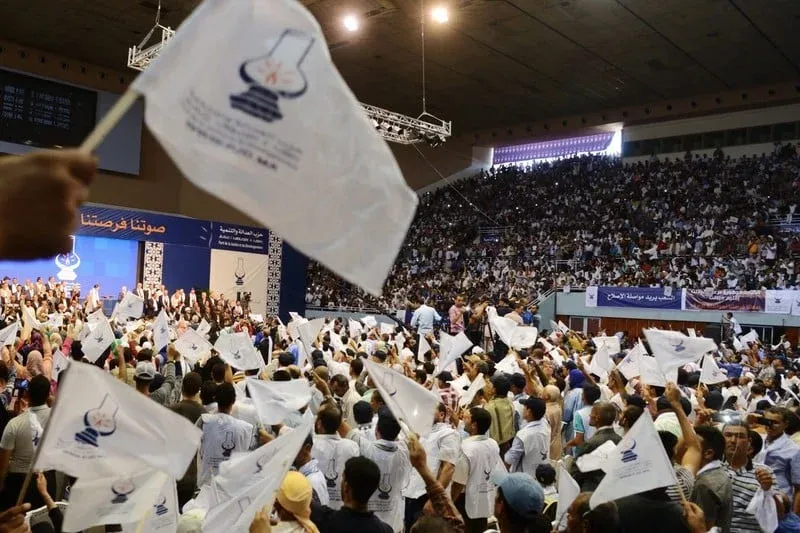
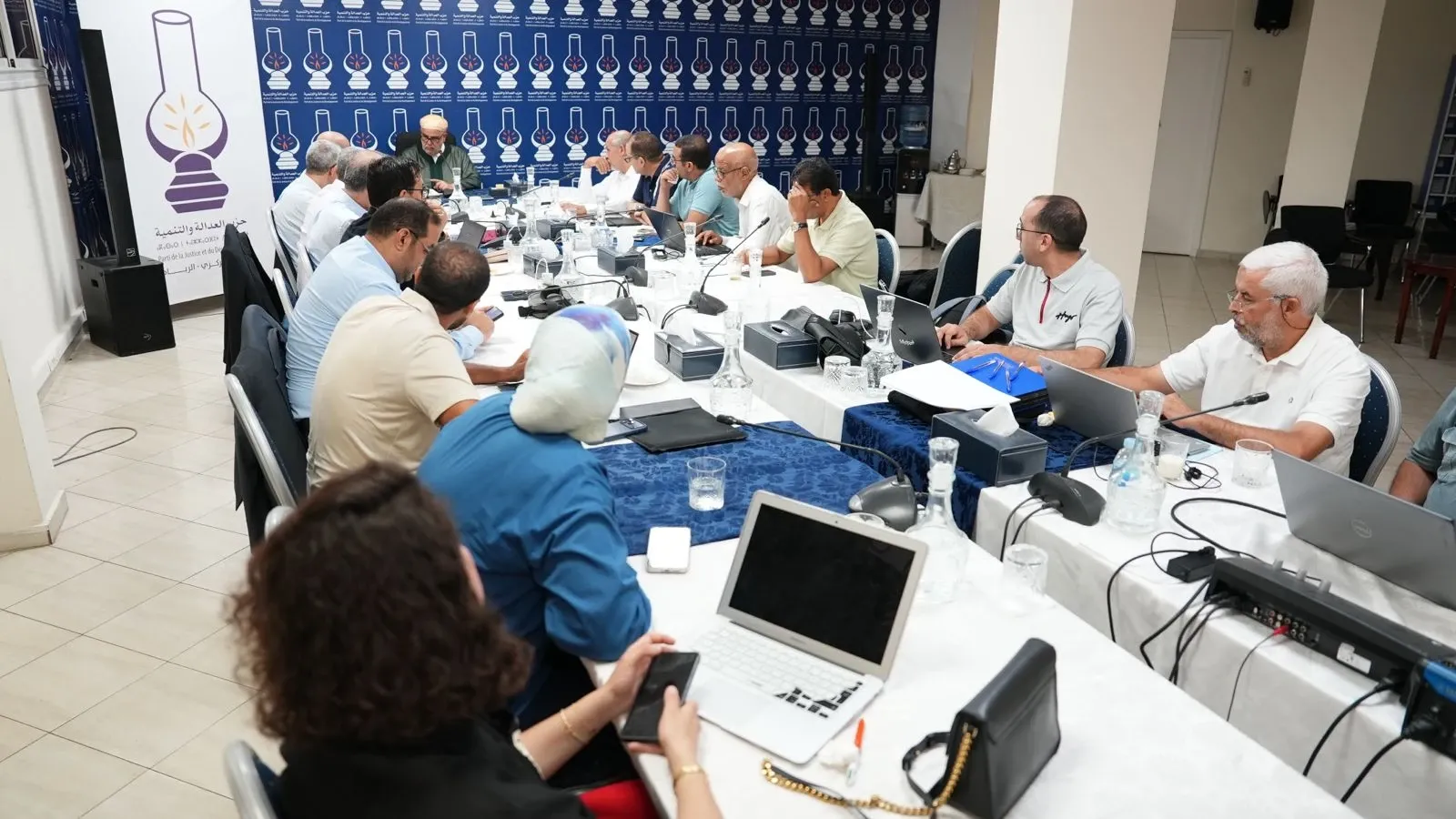
The General Secretariat of the Justice and Development Party (PJD) has expressed pride in the preliminary outcomes of the recent parliamentary elections, revealing that the party secured 54 seats, thereby increasing its parliamentary representation more than fourfold. In a statement issued after a meeting held on Thursday, the party highlighted its successful reclamation of popular support in major and medium-sized cities, as well as its acquisition of seats in predominantly rural electoral districts. Notably, all but one of its candidates led their respective constituencies by a significant margin over their competitors.
The statement underscored that these results affirm the PJD's solid standing within the national political, party, and electoral landscape, showcasing the trust citizens place in the party and marking a victory over attempts to marginalize and exclude it from the political discourse.
Future Directions and Legal Actions
Looking ahead, the General Secretariat believes that the party's rightful place is to continue fulfilling its constitutional, political, and activist roles from a position of responsible and formidable opposition. The PJD intends to steadfastly defend national constants and advocate for the legitimate rights and expectations of citizens. An extraordinary national council meeting is set to be convened to deliberate on the election results and make informed decisions moving forward.
In its evaluation of the electoral process, the party positively noted the overall management of this electoral phase and the constructive interaction from relevant authorities concerning complaints raised by the PJD. The party also commended the citizens who participated in the elections, particularly those who entrusted their votes to the PJD. However, the party expressed disappointment at the low voter turnout, which it described as the lowest since 2007. This decline is attributed to several factors, including the diminishing value placed on political and party work, the erratic performance of the current government, and rampant party-switching among the current coalition parties leading up to the elections.
Moreover, the announcement of results revealed significant flaws in the current electoral system, which the PJD has previously highlighted and will continue to fight to rectify. The party lamented being deprived of additional confirmed seats in local districts due to the elimination of the electoral threshold and the presence of an unusual and undemocratic electoral quotient, particularly in districts like Skhirate-Témara, Meknes, Sale City, and others. The party also noted its poor performance in regional lists due to the replacement of national lists with regional ones.
Additionally, the General Secretariat emphasized that the inflated number of polling stations—exceeding 40,000—complicates the coverage of all locations by political parties. This situation opens avenues for potential violations that are difficult to document, especially given the refusal of certain authorities and polling station heads to promptly provide reports, which blatantly contravenes legal provisions. The PJD has committed to taking necessary legal action against polling station heads who failed to submit copies of the electoral process reports to the representatives of the candidacy lists, as such actions constitute criminal offenses punishable by law.
As reported by akhbarona.com.