
Celebrating the Life and Career of Zaki El-Houari
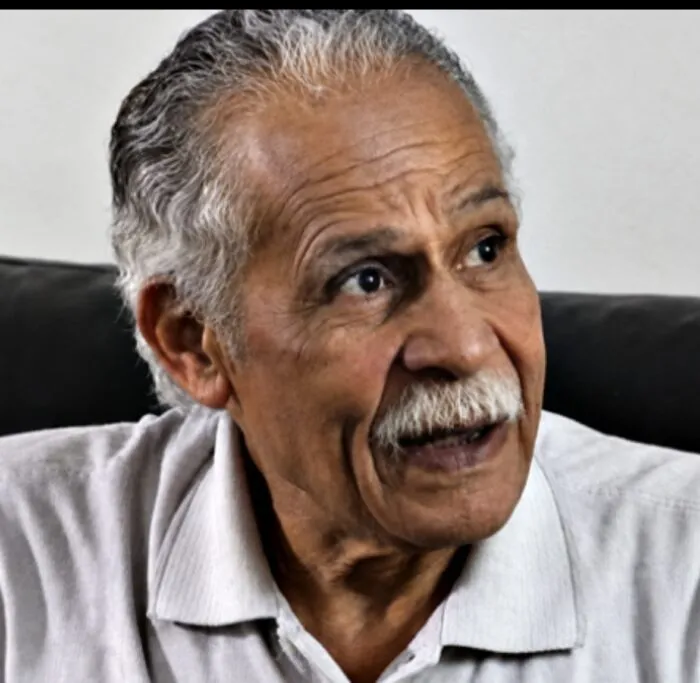
On the morning of Monday, September 21, 2026, the renowned Moroccan actor Zaki El-Houari passed away in Rabat at the age of 90. He was a prominent figure in the realm of performance arts in Morocco, with a career that spanned over seven decades, during which he graced the stages of theater, the microphones of radio, and the cameras of cinema and television. Known for his unique voice, distinctive tone, and eloquence, Zaki was meticulous in his use of the Arabic language, leaving behind a rich artistic legacy of over one hundred plays and epics, along with numerous radio, television, and film productions.
In this moment of profound loss, I extend my heartfelt condolences and deepest sympathies to his immediate family and the larger artistic community that he was a part of. I pray that God grants him forgiveness and mercy, and may He provide his loved ones with patience and solace in their time of grief.
Below, we delve into a focused overview of the long and illustrious career of Zaki El-Houari, who was among the pioneering figures whose theatrical experiences began shortly before Morocco's independence.
A Journey from Fes to Rabat: The Start of a Passion
Zaki El-Houari was born in Fes in 1936, where his affinity for the performing arts emerged at an early age. He became involved in several amateur theater groups in his hometown, including a troupe founded by the prominent figure Aziz Saghrouchni, a veteran student of Moulay Idriss Secondary School in Fes during the protectorate era. Saghrouchni was known for his openness to theater and performing arts before spending 36 years in the administration of the Mohammed V Theater in Rabat, shortly after its inauguration in 1962. Zaki also joined the National Theater Society, participating in the play "The Lottery" during the 1955-1956 season, which was a collective production.
After years of honing his craft in amateur troupes and gaining invaluable experience, Zaki El-Houari transitioned to professional theater in 1956 by joining the Moroccan Acting Company, which later evolved into the Al-Maamoura Theatre. He also collaborated with the Arab Acting Company affiliated with Moroccan radio, established in 1949. During this phase, he participated in a multitude of theatrical works, including "The Will to Live" directed by Mohamed Farah, "Loyalty" and "A Sick Man" directed by Pierre Mauduit, "The Spider" directed by Farid Benmbarak, and many others that contributed significantly to the Moroccan theater's history.
His extensive experience allowed him to collaborate with notable names from his generation, including renowned actors, playwrights, directors, and technicians. Among these were Ahmed Tayeb Al-Aleji, Farid Benmbarak, and the esteemed poet and playwright Abdelkader Mtaï, forming a rich network of talent that shaped Moroccan culture.
Later in his career, Zaki left his artistic mark on productions such as "Shared Fortune," "All of It Is Lost," and "The Minister from Granada," among numerous other theatrical works. Despite his early appearance before the camera in the film "Ibrahim" or "Beginning and Hope," directed by Jean Fleury and produced by the Moroccan Cinematic Center, his cinematic presence remained limited compared to his vast experience and talents in performance.
He participated in various cinematic works, including "My Arms of Aphrodite" in 1978 and "Searching for My Wife" directed by Mohammed Abdel Rahman Tazi in 1993, along with other films. Furthermore, Zaki El-Houari took part in several foreign film and television productions that were filmed, wholly or partially, in Morocco.
His remarkable presence in Moroccan radio as an actor, writer, and director was also noteworthy. He participated in numerous radio plays and series during the golden age of Moroccan broadcasting, such as "The Eternal" and "The Thread of the Story." Zaki worked alongside other pioneers of radio and television acting, contributing to a rich chapter of Moroccan artistic memory that still requires further documentation.
In television, he appeared in several productions, including the series "Silence" in 1978, "Zlika" in 1981, and "The Family of Mr. Marbouh" in 2001, showcasing his versatility and enduring relevance in the industry.
Mohammed Choubi, a fellow actor, remarked on Zaki El-Houari’s extensive experience across various performance domains, emphasizing his mastery of the Arabic language and his dedication to precision in pronunciation. Choubi noted that Zaki was known for his humility, kindness, and elegance, stating that his artistic journey deserved more recognition than the opportunities presented to him on screen.
With over seventy years of artistic contributions, Zaki El-Houari's career reflects not only his dedication to the arts but also serves as a crucial part of Moroccan cultural memory that needs to be preserved and celebrated. Many pioneers of Moroccan art have passed away, and much information about their contributions remains scattered across personal documents, press archives, and the memories of their peers.
Questions arise regarding the urgent need to create a comprehensive national encyclopedia or guide documenting the paths of actors, directors, writers, and technicians in Moroccan cinema, theater, radio, and television. Preserving the legacy of these pioneers is not merely a cultural luxury; it is a crucial endeavor to safeguard a part of Morocco's collective memory.
May the soul of the esteemed artist Zaki El-Houari rest in peace, who dedicated over seventy years of his life to the art he loved. Indeed, we belong to God, and to Him, we shall return.
As reported by albalad.ma.