
Political Climate and the Arrest of Justin Koné Katinan
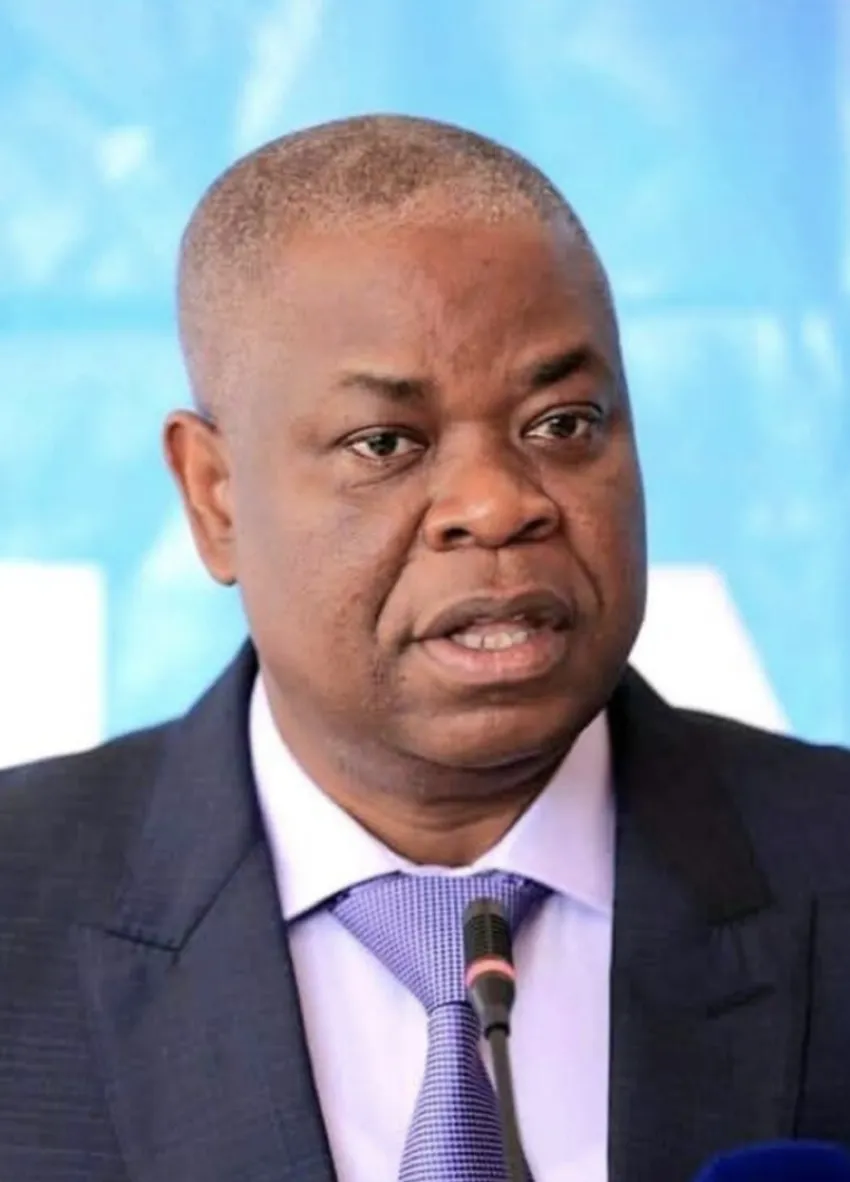
The recent detention of Justin Koné Katinan, the vice-president of the PPA-CI, has become a focal point of discussion within the Ivorian media landscape. This case involves two significant aspects and two charges: on one side, a defamation complaint filed by the RHDP party, which accuses Katinan of defamation, insults, and the dissemination of false information; on the other hand, a legal procedure initiated by the public prosecutor regarding public disorder during the 2025 elections. While the prosecutor insists on the legality of these proceedings, opposition groups and civil society organizations argue that this situation represents a blatant restriction of political freedoms.
Political Freedoms Under Threat
In light of these developments, the French Communist Party (PCF) has strongly condemned Katinan's arrest and seized the opportunity to demand his immediate release. In a statement issued on September 17, the PCF emphasized that utilizing anti-terrorism legislation against an opposition leader for public statements poses a direct threat to freedom of expression, political pluralism, and democratic rights. The PCF argues that the judicial system should not be manipulated to serve the interests of the ruling party. Against this backdrop of heightened post-electoral tensions, these differing perspectives pose a potential threat to the political stability of the nation.
Simultaneously, the recent visit of the Guinean president to Abidjan has reignited discussions around security cooperation between the two countries. During his official visit to Ivory Coast, Mamadi Doumbouya highlighted the importance of economic, commercial, and security collaboration. This visit aims to strengthen the Conakry-Abidjan axis, particularly in light of shared challenges such as illegal gold mining, organized crime, and environmental degradation. Both nations view the control of these networks as critical to their economic and security interests. Doumbouya stated, "I am convinced that there is no development without peace and stability. However, our geographical region faces various security challenges. We are ready to work with you on intelligence sharing, combating cross-border crime and terrorism, as well as enhancing trade corridors and cooperation within African regional organizations." He also praised the quality of the direct and regular contact with his Ivorian counterpart, Alassane Ouattara, whom he regards as a mentor. Doumbouya extended a formal invitation to Ouattara for Guinea's independence celebration on October 2.
In a related effort to address security challenges, the establishment of a new military coordination framework between Abidjan and Rabat marks a significant step towards a more structured military architecture. Formed in May 2025 in Rabat, this joint military commission aspires to serve as a hub for information exchange, capacity building, logistics, and health, among other areas. Under this partnership, Ivorian defense and security forces will continue to receive training at Moroccan military academies. Consequently, Ivory Coast is advancing its security cooperation strategy by diversifying its partnerships to more effectively tackle current challenges, particularly the ongoing threat of terrorism at its borders.
As reported by timbuktu-institute.org.