
Intensifying Political Climate Surrounding the Ceuta Crisis
The political and social tensions in Spain have escalated significantly, particularly in the aftermath of the mass assault that rocked Ceuta over 40 days ago, creating an unprecedented breach in national security. Last week, Prime Minister Pedro Sánchez faced increased parliamentary isolation, refusing to assign any responsibility to Morocco, despite a police report submitted to the National Court revealing concerning details. This isolation mirrors the earlier political vulnerability he experienced following his unilateral shift away from Spain's historical stance of neutrality regarding Western Sahara. As the situation unfolds, the Popular Party (PP) has begun to propagate the narrative that, following this latest migration emergency, further concessions to Rabat may be on the horizon.
Alberto Núñez Feijóo, the leader of the PP, has taken note of the widespread discontent regarding the government's management of the autonomous city and has openly criticized the PSOE's perceived subservience to the Moroccan regime. In response, he commissioned internal polls to gauge public sentiment, suggesting that the Ceuta crisis could potentially be the final nail in the political coffin for Sánchez. In a notable shift, Feijóo has adopted a more confrontational stance towards Morocco, a significant rhetorical change that is being closely monitored in the neighboring country, particularly regarding the possibility of him occupying the Moncloa Palace within the next year.
Government Accountability and Migration Challenges
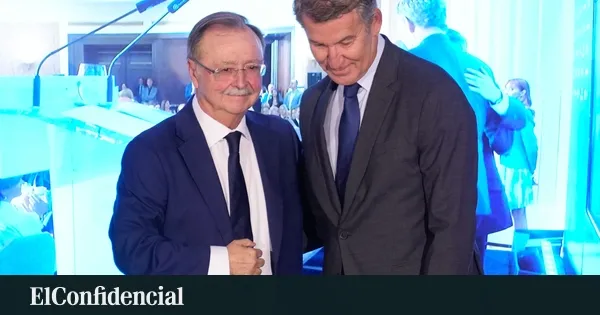
The PP aims to exploit the wounds that the current government has failed to heal, driven by both conviction and strategic motives. On Monday, Feijóo made headlines by implying in a packed room of regional leaders and high-ranking PP officials that Sánchez may have played a role in Morocco's
As reported by elconfidencial.com.