
Accusations of Hybrid Attacks and Diplomatic Strain
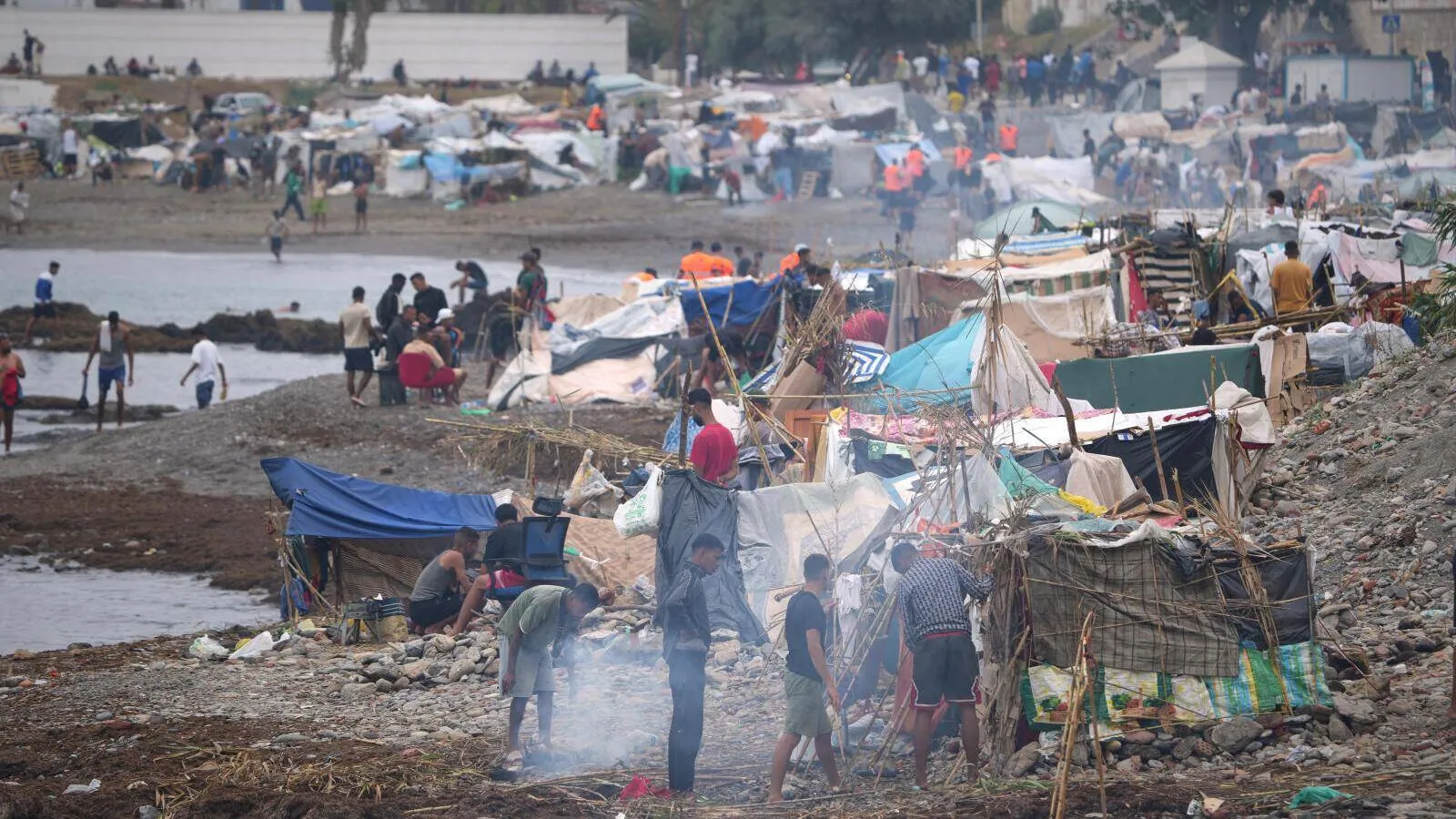
Gabriel Rufián, the spokesperson for the Catalan Republican Left (ERC) in the Spanish Congress, has leveled serious accusations against Morocco, claiming that it orchestrated the arrival of 80,000 individuals into Ceuta with the intention of destabilizing the Spanish government, allegedly with the backing of Washington and Tel Aviv, as well as support from various factions within the Spanish right and far-right. Rufián criticized Prime Minister Pedro Sánchez's attempts to absolve Morocco of responsibility, suggesting that Sánchez's recent diplomatic maneuvers regarding Western Sahara have jeopardized both his credibility and dignity. While the assertion of a hybrid attack involving the U.S. and Israel remains contentious and is largely viewed as a leftist analysis, it is evident that Morocco appears intent on undermining the Spanish government that has historically favored it.
On the same evening that Sánchez addressed Congress, facing fierce critiques from the right and far-right—including accusations of treason—Nizar Baraka, Morocco's Minister of Equipment and Water and General Secretary of the Istiqlal party, provided political ammunition to Sánchez's opponents. He remarked, "What should we say to our neighbor Spain after what happened in Ceuta? They claim their national security has been compromised." Baraka emphasized that while Spain is an essential partner for Morocco, it would not yield an inch of its national territory, a statement that carries significant weight given the historical context of territorial claims in the region.
The Fallout and Political Implications
Baraka's comments are not unprecedented, as Istiqlal's stance includes claims over parts of Algerian territory and Mauritania. However, the timing of his remarks, just hours after Sánchez's defense of his handling of the Ceuta crisis, raises eyebrows. While Sánchez did acknowledge the passive stance of Moroccan gendarmes—the first time he has done so—he largely maintained a conciliatory approach towards Rabat. This has led to suspicions that Morocco, having secured significant concessions from Sánchez regarding Western Sahara, is now shifting tactics to exert pressure on Spain in other areas, as suggested by Rufián.
The Spanish government has reacted strongly to these developments, with media reports indicating a "monumental anger" in response to Morocco's latest challenges to Spain's territorial integrity. The Spanish Ministry of Foreign Affairs asserted unequivocally that Ceuta and Melilla are part of Spain, and their sovereignty "has not been, is not, and will never be" negotiable with Morocco. Baraka is the third member of the Moroccan government to publicly reiterate this claim in recent weeks, following similar statements from Morocco's Minister of Justice, Abdellatif Ouahbi, and Minister of Islamic Affairs, Ahmed Toufiq.
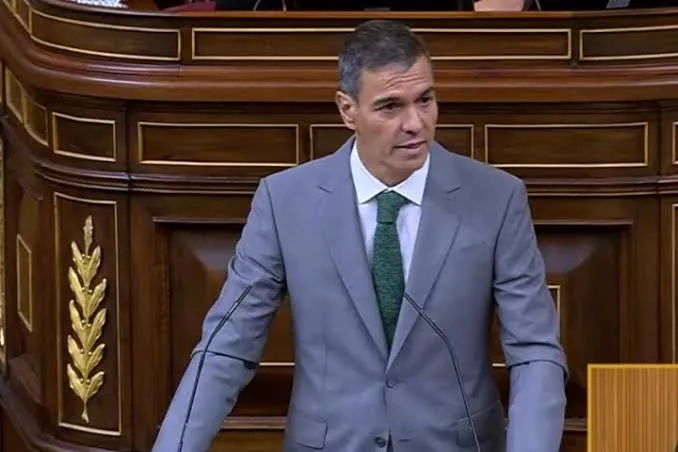
During his address to parliament, Sánchez revealed that Madrid had summoned the Moroccan ambassador on August 21 to express its dissatisfaction over the initial Moroccan statements. However, the ambassador was absent, and a charge d'affaires was received instead. This situation further complicates Sánchez's position, as he continues to assert a lack of "solid" or "concrete" evidence that Moroccan authorities orchestrated the mass influx of migrants into Ceuta. His cautious approach towards Morocco has become a contentious political issue in Spain, stirring criticism from both the left and among some of his parliamentary allies.
As Sánchez navigates these turbulent waters, the question arises whether Morocco's recent statements are aimed at further complicating his already precarious political situation. Moreover, one must ponder why Rabat would choose this moment to create difficulties for a Spanish government that has granted it significant concessions regarding Western Sahara.
As reported by maghrebemergent.news.