
Political Dynamics Amidst Crisis in Ceuta
Recent comments made by Aitor Esteban, leader of the Basque Nationalist Party (PNV), have ignited a political firestorm in Spain, particularly regarding the ongoing crisis in Ceuta. During an interview with _El Correo_, Esteban suggested that Morocco might be exerting pressure on the Spanish government, which he believes could indicate a deeper, undisclosed issue at play. His statement, "I would not dismiss the possibility that Morocco has something unknown that increases pressure on the Spanish government," has stirred controversy among governmental parties and their usual allies.
Esteban's remarks have drawn sharp criticism from various quarters. Minister Óscar López described the insinuation as "intolerable," reflecting the sensitivity surrounding Spain's relationship with Morocco. On the other hand, Podemos, a left-wing political party, has taken a more open stance on the issue. Irene Montero, their spokesperson, expressed on _Cadena Ser_ that it seems quite evident that there is indeed something more significant occurring. In contrast, Compromís's spokesperson, Joan Baldoví, urged caution, advising against making such claims without substantial evidence.
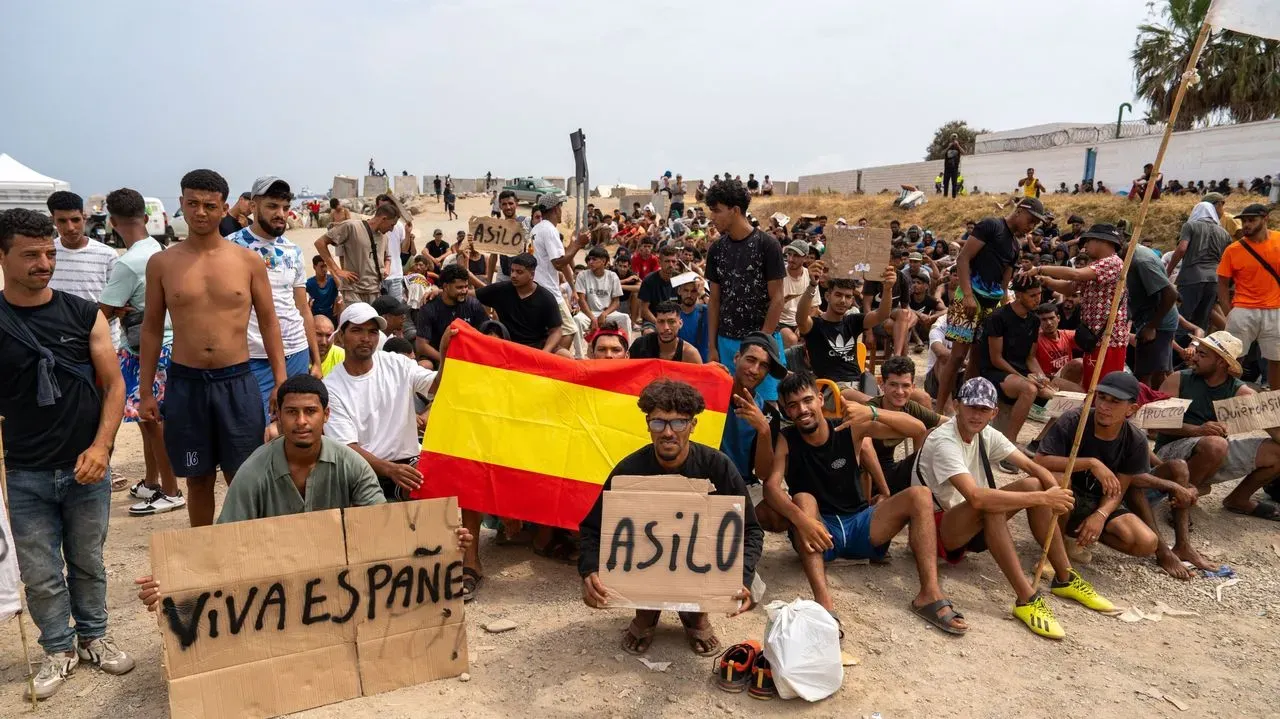
The situation highlights the complexities of national politics in Spain, especially concerning the delicate balance of diplomatic relations with neighboring Morocco. The crisis in Ceuta, characterized by increased migration and border tensions, continues to be a focal point for political discourse, prompting calls for more transparency from the Spanish government. Observers are left questioning the potential ramifications of these political dynamics on the future of Spanish-Moroccan relations and the stability of the current government.
As reported by lavozdegalicia.es.