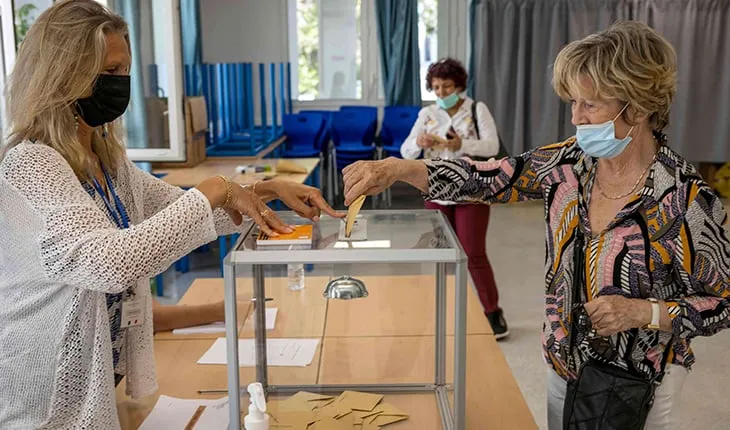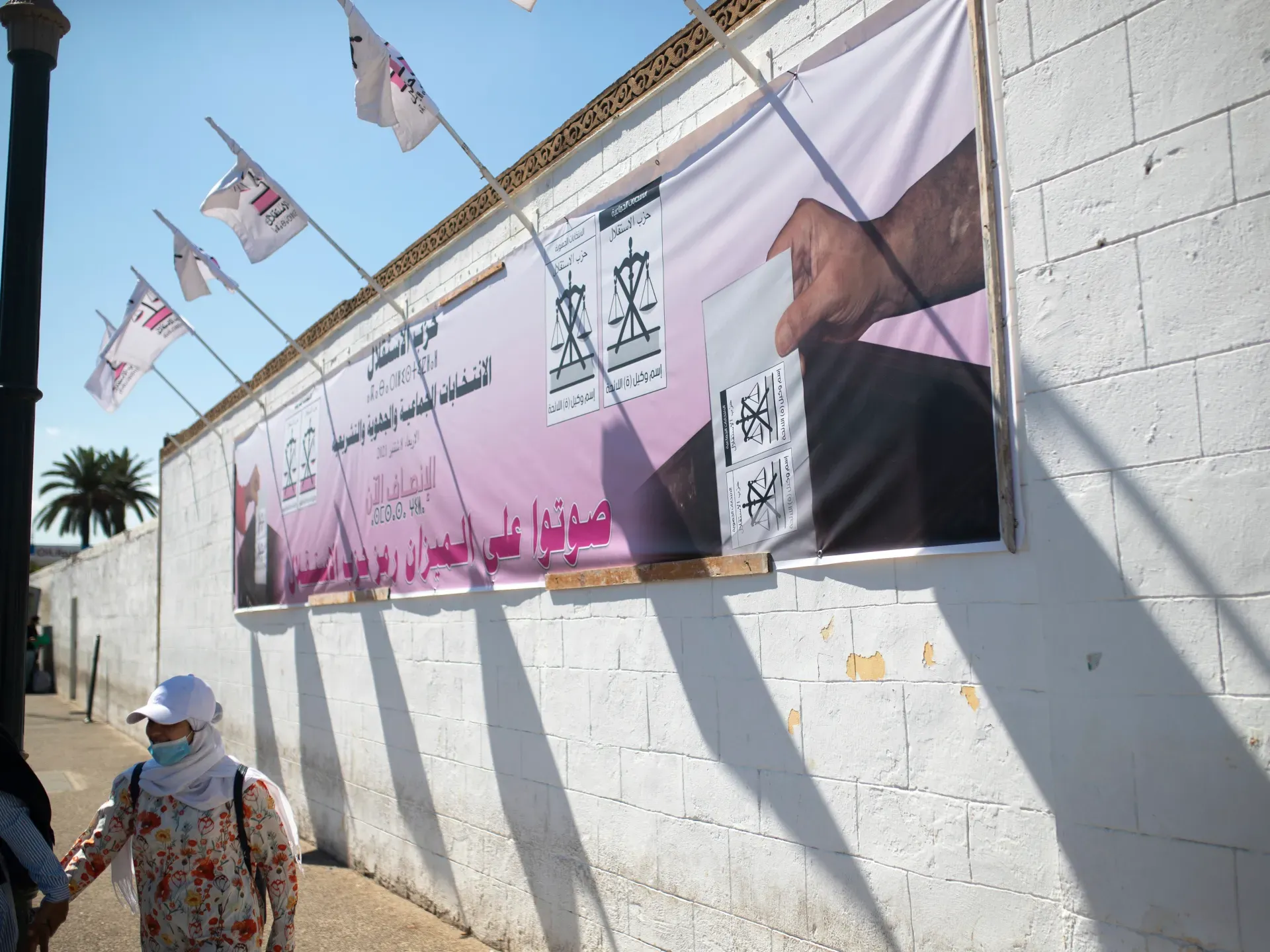

As Moroccans brace for an important electoral period, political tensions are noticeably escalating, just days before the official campaign kicks off on September 10. The nation is gearing up for parliamentary elections scheduled for September 23, with candidate nominations having already opened on August 31. By the end of the first day, a staggering 702 candidate lists from 27 political parties were submitted to the Interior Ministry, indicating a robust competition ahead. With approximately 15.8 million voters registered within a total population of 36.8 million, the stakes are high. The voting-age demographic stands at around 25 million, as estimated by the High Commission for Planning (HCP), highlighting the significant number of voices that will shape the future of the nation's governance.
The political arena is currently alive with activity as parties finalize their candidates and refine their messages, all while positioning themselves for a significant battle that will determine the composition of the next government. The elections will see Moroccans elect representatives to the House of Representatives, the lower chamber of parliament. Notably, the party that secures the most votes will have the strongest claim to lead the formation of the next government, as the king is constitutionally mandated to appoint the head of government from the winning party. However, gaining the most votes does not equate to governing independently; Morocco's multi-party system necessitates that the winning party collaborates with others to establish a coalition capable of garnering parliamentary support.
The current ruling coalition comprises the National Rally of Independents (RNI), the Authenticity and Modernity Party (PAM), and the Istiqlal Party, which, while partners in governance, are simultaneously rivals vying for the same voter base, candidates, and influence. Recent developments have exposed underlying tensions within this coalition, particularly following a leaked audio recording allegedly involving House of Representatives Speaker Rachid Talbi Alami. The recording has ignited disputes between RNI and PAM regarding budget minister Fouzi Lekjaa, who has been accused by RNI of attracting candidates from their ranks. This incident has not only stirred public discourse but has also prompted responses from key figures such as RNI President Mohamed Chouki and Head of Government Aziz Akhannouch, who emphasized the importance of focusing on electoral victory rather than preemptively distributing government positions.
What is particularly concerning for voters is the implication that significant negotiations regarding the next government are taking place even before ballots are cast. This scenario raises questions about the transparency of the political process and the extent to which voters' interests are being prioritized. While it is premature to declare the election's outcome, the ongoing political maneuvering illustrates how parties are already strategizing for the post-election landscape. The governing coalition's internal conflicts demonstrate the delicate balance between collaboration and competition, as each party seeks to solidify its standing prior to the election.
As the opposition gears up to challenge the ruling coalition, the Justice and Development Party (PJD) remains a crucial player to watch. After experiencing a dramatic decline in the last elections from 125 seats to just 13, the PJD is actively trying to regain its footing and political relevance. Despite its reduced parliamentary presence, the party has maintained a critical stance against the government, addressing issues like employment, public services, and the cost of living. With rising inflation and persistent concerns regarding living costs, the PJD’s challenge lies in persuading voters to provide them another opportunity to govern despite their recent setbacks.
In addition to economic issues, the upcoming election is expected to spotlight pressing societal concerns, including healthcare, education, and the cost of living. The government's commitment to significant job creation, particularly for youth, will also serve as a critical metric against which it will be judged. The previous government’s promise to create one million net jobs by 2026 has yet to materialize significantly, further complicating the ruling party's narrative as they campaign on their achievements.
Moreover, the recent mass migration episode involving the Spanish enclave of Ceuta has added another layer of complexity to the political landscape. With misinformation circulating on social media leading to a significant influx of migrants, this incident has opened discussions about youth opportunities, migration issues, and the broader socio-economic conditions that drive such desperate measures. The PJD has called for an investigation into the circumstances surrounding this event, thereby integrating it into the electoral discourse.
As the political climate continues to evolve, the role of social media in shaping public opinion and mobilizing voter engagement has become increasingly apparent. Political parties are leveraging platforms like Facebook, Instagram, and TikTok to reach a broader audience while traditional campaigning methods continue to play a role. This dual approach allows for rapid dissemination of information, whether factual or misleading, significantly influencing voter perceptions ahead of the elections.
In conclusion, the forthcoming elections in Morocco promise to be a pivotal moment, not only for the political parties involved but also for the electorate at large. With a coalition of governing parties grappling with internal strife and an opposition seeking to regain influence amidst a backdrop of economic challenges and societal concerns, the outcome will undoubtedly shape Morocco's future governance. As the official campaign period approaches, the political contest is already in full swing, setting the stage for a dynamic and potentially transformative electoral battle.
As reported by aljazeera.com.