
Pope Leo XIV Takes Steps Amid Leadership Crisis in Morocco
The Catholic Church in Morocco is facing a significant leadership crisis as allegations of sexual misconduct have surfaced against Cardinal Cristóbal López Romero, the Archbishop of Rabat. In response to this turmoil, Pope Leo XIV has appointed Mario León Dorado as the new coadjutor Archbishop, a decision that signals a pivotal transition at the helm of the Archdiocese, which encompasses nearly all of Morocco.
At 52 years old, León Dorado is now positioned to succeed Cardinal López, who will turn 75 in May. The recent allegations against López involve inappropriate behavior towards adult women, a claim that he has firmly denied. Due to the ongoing internal investigation within the Church, Cardinal López has suspended his official duties since late July, allowing León Dorado to serve as the papal administrator during this uncertain period.
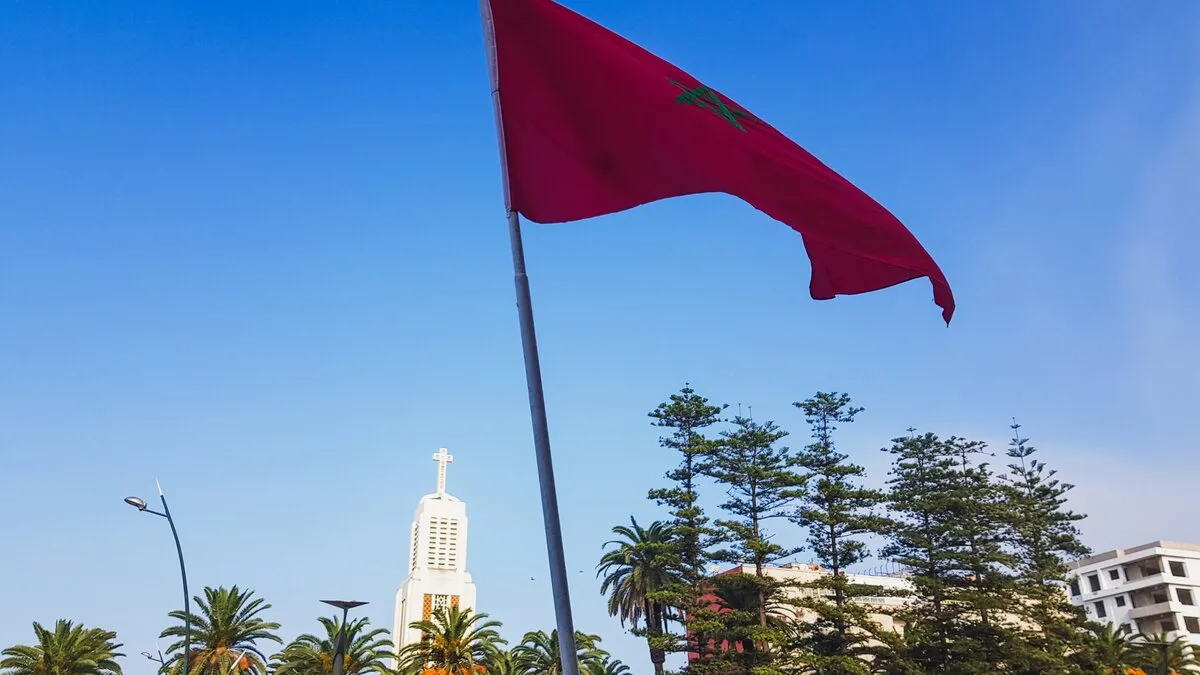
The Archdiocese of Rabat, which spans over 425,000 square kilometers, is home to roughly 22,000 Catholics amidst a population of 33 million, a stark reminder of the small minority that Christians represent in a country where Islam is the state religion. Pope Francis appointed López as Cardinal in 2019 after he took over the archdiocese in 2017. The Catholic community in Morocco is primarily composed of Europeans and African migrants, with the Vatican estimating around 23,000 Catholics residing in the nation.
Challenges Facing the Catholic Church in Morocco
In a country where Christians constitute a mere 0.09% of the population, the Catholic Church operates under considerable constraints. Morocco has two archdioceses, Rabat and Tangier, which collectively manage 35 parishes supported by a limited number of priests and religious figures. Despite the challenges, approximately 150 nuns are actively involved in various missions across the country.
As the situation unfolds, the appointment of León Dorado may represent a new chapter for the Catholic Church in Morocco, as it seeks to navigate the complexities of faith in a predominantly Muslim society and address the internal challenges that have arisen. The church’s ability to manage this transition effectively will be critical in maintaining its presence and relevance in Morocco's religious landscape.
As reported by domradio.de.