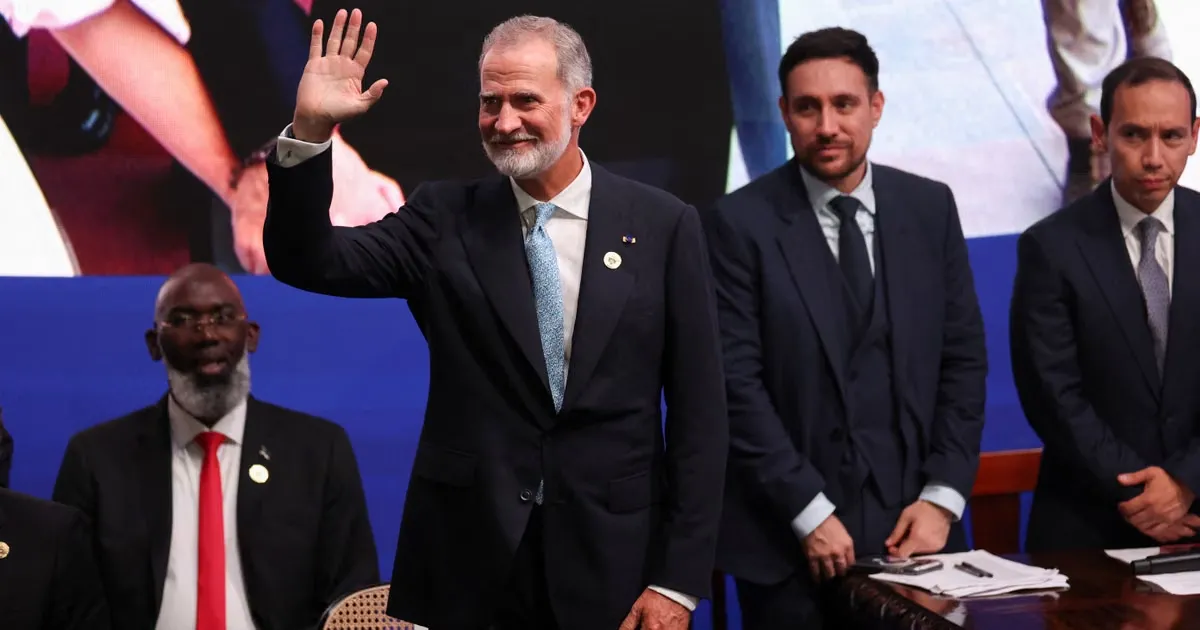

Implications of a Possible Visit by King Felipe VI to Ceuta
In a recent radio interview on August 31, Spanish Prime Minister Pedro Sánchez hinted at the potential for King Felipe VI to visit Ceuta, contingent upon favorable circumstances. This suggestion has raised eyebrows, particularly in light of the ongoing territorial claims by Morocco over this autonomous enclave. Observers are concerned that such a visit could exacerbate existing tensions between Spain and Morocco, particularly given the sensitive nature of Ceuta's status and the recent influx of migrants from Morocco, which has strained local resources.
The conservative Madrid newspaper El Mundo humorously remarked that it would be counterproductive to "add fuel to the fire" in a situation already perceived as volatile. By suggesting that the king could travel to Ceuta, Sánchez has been portrayed as both a "firefighter and an arsonist," reflecting fears that the royal visit might provoke further outrage from Rabat, which views Ceuta as part of its territory. In Spain's parliamentary monarchy, it may seem almost "absurd" to restrict the king from visiting regions he represents. However, any royal engagement must align with constitutional protocols and government approval.
The backdrop of this potential visit is particularly fraught, as Ceuta has recently faced significant challenges. The enclave is currently dealing with the aftermath of a sudden and massive influx of migrants, which has heightened tensions and concerns among local residents and authorities. Given Morocco's historical claims over Ceuta and Melilla, another Spanish enclave, the timing of a royal visit could be interpreted as provocative, further complicating already strained diplomatic relations.
As reported by courrierinternational.com.